The Ministry of Home Affairs oversees the new digital census test trial, which runs from November 1 to 30. It targets houselisting operations in select districts. Officials aim to evaluate software for data collection. This includes self-enumeration via a new portal and field surveys using two mobile applications.
The initiative addresses delays since the last census in 2011. It incorporates caste data for the first time since independence. Planners schedule the main houselisting phase for April 2026. Population enumeration follows from October 2026 in remote areas and March 2027 nationwide.
Why This Matters for South Asia
India’s census shapes policies across the subcontinent. It influences resource allocation, migration patterns, and economic ties with neighbours like Pakistan, Bangladesh, and Nepal. Accurate digital data could enhance cross-border trade forecasts and climate adaptation plans. Over 1.4 billion people feature in the count. This drives equitable distribution of funds for education and health in shared regional challenges. Delays in past censuses hampered South Asian development goals. A successful India digital census test now sets a benchmark for digital governance in the region.
Census 2027 Pre-Test Self-Enumeration Kicks Off
The self-enumeration phase began on November 1. Residents in pilot areas access the Digital census portal India live at https://test.census.gov.in/se/. They submit household details online before enumerator visits.
This feature encourages public involvement. It reduces fieldwork burden. Data remains for evaluation only. It does not enter the official database. In Assam, the Director of Census Operations appeals for cooperation. “The Director of Census Operations-cum-Chief Principal Census Officer, Assam, has appealed to all residents of the selected sample areas to extend full cooperation during the fieldwork,” states a Press Information Bureau release.
The portal tests user-friendliness. It covers housing amenities and basic demographics. Planners limit access to designated zones. This prevents overload during the trial. Self-enumeration aligns with global trends. Countries like the United States and Canada use similar tools. In India, it counters logistical hurdles in dense urban centres.
India Launches Census Apps Trial for Enumerators
The Registrar General and Census Commissioner unveiled two apps this week. The Digital Layout Map (DLM) app maps buildings digitally. It records coordinates, locality names, and structure types. Users geo-tag sites for precision.
The Census 2027-Houselist app handles 30 housing questions. It covers amenities like water supply and electricity. Both tools run on Android and iOS. Only authorised personnel download them from Google Play Store.
Training sessions occurred from November 4 to 6. Enumerators include teachers and revenue officials. They practice in batches across charges.
A government statement highlights efficiency. “To encourage public participation, a Self-Enumeration facility will be made available through the Census Portal from 1 to 7th November 2025,” it notes. These apps replace paper schedules. They enable real-time monitoring. This cuts errors and speeds processing.
Pilot Locations and Timeline
The India digital census test spans Karnataka, Assam, Tamil Nadu, Uttar Pradesh, and Sikkim. In Karnataka, focus falls on Bengaluru Urban, Uttara Kannada, and Chamarajanagar districts. Specific sites include 46 villages in Supa taluk and 27 in Gundlupet taluk. JP Park Ward in Bengaluru tests urban dynamics.
Assam selects Dibrugarh, West Karbi Anglong, and Hailakandi. Uttar Pradesh targets Anupshahr in Bulandshahr, Mihinpurwa in Bahraich, and seven wards in Prayagraj. Tamil Nadu runs trials in designated areas.
The field phase starts November 10. It lasts 20 days. Enumerators visit homes. They use apps to log data. Low-connectivity zones test resilience.
Himalayan states like Himachal Pradesh and Uttarakhand begin early. Snowfall dictates October 1, 2026, starts there. This pre-test evaluates diverse terrains. Urban Bengaluru contrasts rural Assam villages.
Technological Shift in Data Collection
India’s move to digital marks a milestone. The 2011 census relied on paper. It took years to compile. Delays affected welfare schemes.
Now, mobile apps integrate GPS. They flag duplicates instantly. Servers sync data centrally. The Ministry of Home Affairs outlines goals. “The objective is to assess the functioning and efficiency of the digital application across diverse areas from urban regions to those with limited mobile network connectivity,” it states.
Challenges persist. Network gaps in remote areas require offline modes. Training ensures enumerator readiness. Caste enumeration adds complexity. It aids affirmative action. Over two-thirds of Indians belong to disadvantaged groups. Data informs quotas in jobs and education.
Background: From 1931 to Digital Dawn
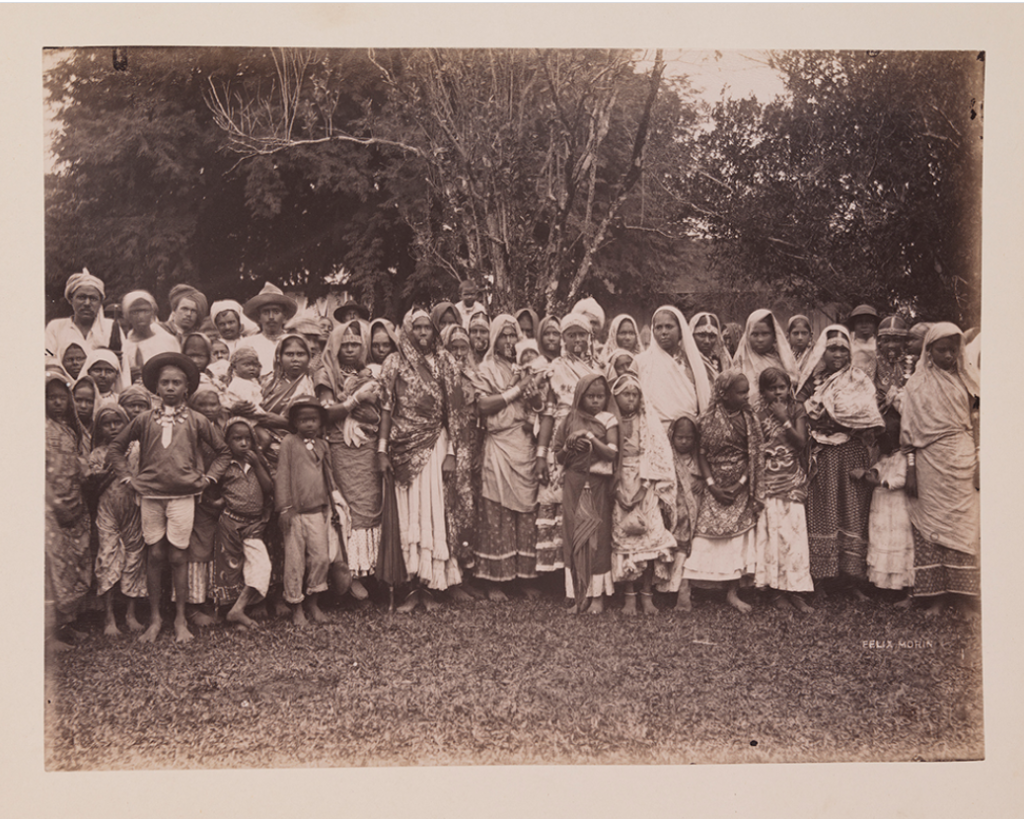
India’s census dates to 1872 under British rule. The 1931 count last included caste details comprehensively. Post-independence, focus shifted to broad demographics. The 2021 census postponed due to Covid-19. It merges with 2027 now. Budget 2021 allocated funds for digital tools. PM Narendra Modi’s government pushes tech integration. This aligns with Digital India initiative.
Past censuses counted 1.21 billion in 2011. Projections hit 1.4 billion by 2027. Digital tools handle scale. International observers praise the ambition. Yet, privacy concerns arise. Officials assure secure platforms.
What’s Next for Census 2027
Post-trial, refinements follow. Full houselisting launches April 2026. Population count spans 2026-2027. Results expected by late 2027. They redraw constituencies and guide budgets. Success hinges on this India digital census test. It paves way for seamless execution.
Stakeholders monitor outcomes. Adjustments target gaps. The exercise promises robust data for India’s growth. In conclusion, the India digital census test advances a tech-driven future. It equips policymakers with timely insights. South Asia watches as India leads in demographic innovation.
Published in SouthAsianDesk, November 8th, 2025
Follow SouthAsianDesk on X, Instagram, and Facebook for insights on business and current affairs from across South Asia.