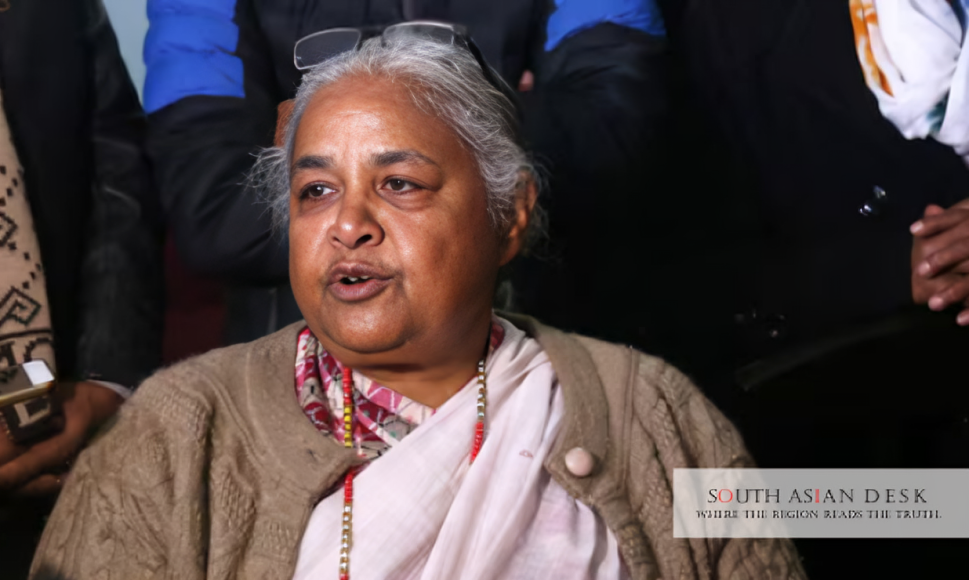
Kathmandu, Nepal — Nepal’s Prime Minister Sushila Karki urges youth to vote on Friday, emphasising their role in the March 2026 elections following deadly protests that ousted the prior regime. The call targets Gen Z amid a surge of over 130,000 new registrations, with the deadline set for November 16.
This appeal underscores a pivotal moment in Nepal’s transition. The 73-year-old interim leader, a former chief justice, seeks to harness youth energy sparked by the September uprising. That unrest claimed 73 lives and exposed deep-seated corruption and economic woes, igniting calls for reform across South Asia’s youngest democracy.
PM Karki Calls Gen Z Civic Duty in Voter Drive
Prime Minister Sushila Karki issued a video statement on November 7, directly addressing Nepal’s Gen Z. She stressed the urgency of obtaining voter identity cards to influence the upcoming polls. “To make the Nepal GenZ youth and all Nepalis’ dream a reality we must, first of all, make our voter identity card,” Karki stated. “And then, by using it correctly, we must choose the right representative. Or, become the right representative.”
This message aligns with her earlier X post on November 6. There, Karki highlighted the ballot as “the most powerful voice of the people.” She noted only 10 days remained until the registration cutoff, framing voting as both right and responsibility. The post garnered 243 likes and 15,000 views, amplifying her reach to young Nepalis.
Karki’s tenure began after the September 8-9 protests. Sparked by a brief social media ban, the movement spread nationwide. Protesters torched government buildings, courts, and parliament, fuelling demands for accountability. As interim PM, Karki now steers preparations for the first elections since the upheaval.
Sushila Karki Youth Voter Registration Gains Momentum
The Election Commission of Nepal reports robust turnout in the voter drive. Since resuming on September 25, over 130,000 individuals have enrolled a record pace. Officials attribute 80 per cent of these to youth aged 16 to 24, including many first-timers from the 18-20 bracket.
This surge follows a policy shift. In September, Karki’s government lowered the voting age from 18 to 16, broadening Gen Z access. Kathmandu queues stretch for hours, with young voters citing the uprising as motivation. “We fought for change; now we vote for it,” said one 19-year-old registrant in the capital.
Sushila Karki youth voter registration efforts extend beyond statements. Her administration allocated NPR 500 million for outreach campaigns targeting rural areas. These include mobile registration units in remote districts, where youth turnout lagged previously.
Data from the Commission shows disparities persist. Urban centres like Kathmandu and Pokhara account for 60 per cent of new rolls, while Terai plains see slower uptake despite dedicated drives. Officials aim to close this gap before November 16.
Nepal Gen Z Elections Participation on the Rise
Nepal Gen Z elections participation marks a generational shift. Pre-uprising rolls totalled 18 million voters. The current drive could add 200,000 by deadline, per projections. Youth now comprise 25 per cent of eligible voters, up from 18 per cent in 2022.
This enthusiasm stems from the protests’ legacy. Gen Z led the charge against corruption, with social media amplifying their grievances. Post-uprising, 125 political parties registered for the polls, many youth-led. Platforms promise anti-graft measures and economic reforms, resonating with under-25s facing 12 per cent unemployment.
Experts note parallels across South Asia. In India and Bangladesh, youth mobilisations have pressured governments similarly. Nepal’s model could inspire regional peers, boosting civic engagement amid shared democratic challenges.
Background: From Uprising to Electoral Renewal
The September 8-9 events reshaped Nepal’s landscape. A social media clampdown ignited fury over graft scandals and inflation hitting 8 per cent. Protests escalated rapidly, resulting in 73 deaths and widespread arson.
Karki, sworn in as Nepal’s first female interim PM, inherited a mandate from the movement. Her cabinet prioritised electoral integrity, dissolving parliament and scheduling polls for March 5, 2026. Voter rolls form the bedrock, with registration mandatory for participation.
Historical context reveals low youth involvement previously. Turnout among 18-24s hovered at 55 per cent in 2017, versus 70 per cent overall. Karki’s interventions, including digital registration portals, target this apathy.
Why This Matters in South Asia
Nepal PM urges youth to vote signals broader regional trends. With 60 per cent of South Asians under 30, Gen Z holds electoral sway. Nepal’s youth-led reforms could curb corruption waves afflicting neighbours like Pakistan and Sri Lanka. Enhanced participation fosters stable governance, vital for economic corridors linking India, China, and beyond.
Success here might embolden similar drives, countering authoritarian drifts. Failure risks disillusionment, exacerbating migration and instability.
What’s Next for Nepal’s Youth-Led Polls
As the deadline nears, the Commission plans awareness rallies in 50 districts. Karki vows oversight to ensure fair rolls. Post-registration, candidate nominations open in December.
Analysts predict youth turnout exceeding 65 per cent, potentially tipping balances toward progressive agendas. Nepal Gen Z elections participation will test the uprising’s endurance. In closing, Nepal PM urges youth to vote remains a clarion call. By registering, Gen Z can forge a corruption-free future, honouring sacrifices and claiming their stake.
Published in SouthAsianDesk, November 9th, 2025
Follow SouthAsianDesk on X, Instagram, and Facebook for insights on business and current affairs from across South Asia.