

Bangladesh economy ahead of the 2026 elections slowed to 3.7 per cent growth in FY25, down from 4.2 per cent in FY24, amid production disruptions and investor caution under the Yunus interim government, the IMF reports. What reforms can reverse this trend before February polls?
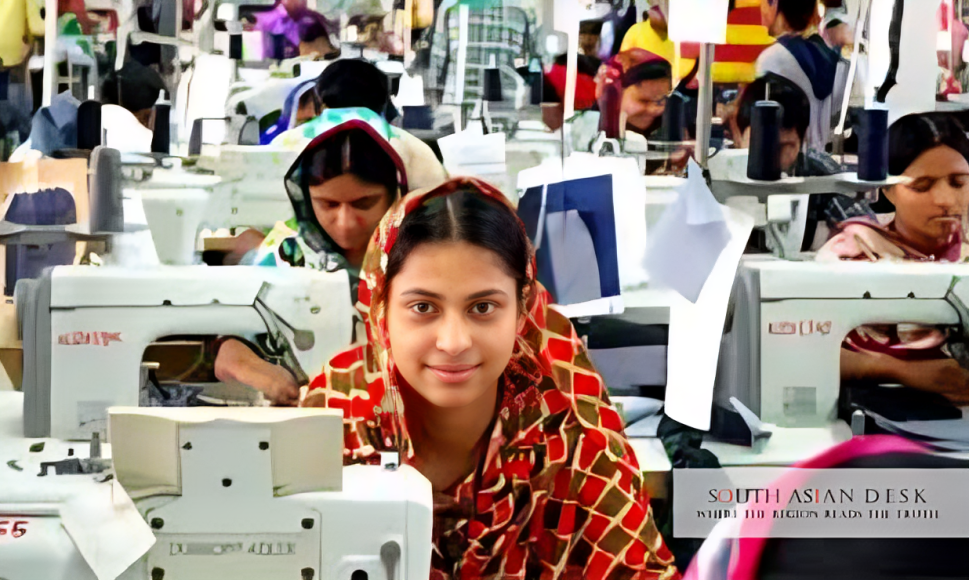
This deceleration threatens South Asia’s supply chains. Bangladesh supplies 80 per cent of global low-cost apparel, and a prolonged slump could raise prices for Indian and Pakistani consumers while straining regional remittances worth USD 25 billion annually. Stable elections matter for the subcontinent’s trade bloc, SAARC, where Bangladesh’s woes echo in neighbours’ export markets.
Yunus Interim Government Economic Reforms Drive Pre-Election Stability
The Yunus interim government, formed in August 2024 after student-led protests ousted the previous regime, prioritises structural changes to rebuild trust. Chief Adviser Muhammad Yunus stated in a July 2025 address that the administration approved the July National Charter Implementation Order to reform the constitution and ensure free polls. “The National Consensus Commission drafted proposals for reforming institutions to prevent authoritarianism,” Yunus said, emphasising nine months of work on electoral and judicial overhauls.
These Yunus interim government economic reforms target fiscal discipline and banking governance, key to unlocking foreign aid. The government tightened monetary policy, raising interest rates to curb inflation, which peaked at 9.8 per cent in June 2025 before easing to 8.36 per cent by September. Tax collection improved by 12 per cent year-on-year through digital filing mandates, per Ministry of Finance data. Yet, private sector Credit growth halved to 6.5 per cent, as firms hoard cash amid election jitters.
Bangladesh Economy Key Reforms and Their Early Wins
Banking sector cleanup stands out. The central bank seized non-performing loans worth BDT 150 billion (USD 1.25 billion) from state lenders, addressing vulnerabilities exposed in the 2024 crisis. “Reforms protect depositors and restore lending,” Bangladesh Bank Governor Ahsan H Mansur noted in an August press release.
Judicial and anti-corruption drives followed. The Anti-Corruption Commission probed 200 high-profile cases, recovering BDT 50 billion in assets. Yunus linked these to broader economic revival: “Without accountability, investment flees.” Foreign direct investment dipped 22 per cent in Q1 FY26, but reform signals drew USD 500 million in pledges from Japan and the EU.
These steps align with IMF conditions, yet experts caution delays. Professor Rashed Al Mahmud Titumir of Dhaka University warned that high inflation has eroded purchasing power, potentially pushing 3 million more into extreme poverty. “Reforms must accelerate to avert social unrest before polls,” he added.
IMF Bailout Impact on Bangladesh Polls Looms Large
The USD 4.7 billion IMF package, approved in 2023 under the Extended Credit Facility, remains a lifeline. In May 2025, Dhaka secured a USD 1.3 billion tranche after committing to fiscal tightening and tax reforms. This infusion bolstered reserves to USD 22 billion by July, covering six months of imports.
However, the IMF bailout impact on Bangladesh polls intensifies uncertainty. The fund’s November 2025 mission, wrapping up just after this report, flagged weak tax revenue and financial risks. Mission chief Mika Saito Papageorgiou stated: “Bangladesh’s economy faces macro-financial challenges from political transition. We urge swift elections for tranche approval.” The next USD 1 billion disbursement hinges on an elected government, per programme terms.
This linkage stalls recovery. Garment exporters, employing 4 million, report 15 per cent order cancellations from Western buyers awaiting stability. BGMEA Vice-President Inamul Haq Khan said: “IMF and partners wait for the new government. Confidence will surge post-polls.” Inflation persists at 10 per cent projected for 2025, eroding wages in export zones.
Fiscal Pressures and Voter Sentiment
Subsidies on fuel and fertiliser, cut by 20 per cent under IMF guidance, sparked protests in rural areas. Rice prices rose 18 per cent, hitting low-income households. Yet, social safety nets expanded, with cash transfers reaching 5 million families via the Vulnerable Group Feeding programme.
Analysts tie these IMF bailout impacts to polls. A credible vote could lift growth to 5 per cent in FY26, per IMF forecasts. Delays risk Credit rating downgrades, raising borrowing costs by 200 basis points.
Bangladesh GDP Recovery Pre-Election Hits Roadblocks
Official data paints a mixed picture for Bangladesh GDP recovery pre-election. The Bangladesh Bureau of Statistics reported provisional FY24 growth at 5.82 per cent, driven by services and agriculture. But FY25 slipped to 3.7 per cent, blamed on July 2024 uprising disruptions that idled factories for weeks.
Q4 FY25 (April-June 2025) showed 3.2 per cent expansion, with manufacturing contracting 2 per cent due to import curbs on machinery, down 25 per cent overall. Remittances rebounded 8 per cent to USD 20 billion, cushioning the blow.
Unemployment claims 1.3 million youth, one in three graduates. Real estate stalled, with REHAB noting near-zero new projects. “The economy breathes but cannot walk,” said Liakat Ali Bhuiyan, REHAB senior vice-president.
Capital imports fell, reserves stabilised at USD 21 billion. Dr Mustafa K Mujeri, ex-Bangladesh Bank economist, highlighted: “Fragile environment persists with high rates and uncertainty curbing flows.” Projections for FY26 hover at 4.9 per cent if polls proceed smoothly.
Sectoral Breakdown and Risks
Garments, 84 per cent of exports, grew 4 per cent but face EU sustainability scrutiny. Agriculture output rose 3.5 per cent on better monsoons, yet floods displaced 500,000 farmers. Services dipped 1 per cent from tourism slumps.
Risks include global slowdowns; IMF cuts 2025 world growth to 3.2 per cent. Domestically, 13 lakh jobless youth fuel demands for youth quotas in polls.
Background
The interim setup followed August 2024 unrest, installing Yunus to oversee transitions. Prior growth averaged 6.5 per cent for a decade, lifting 25 million from poverty. The 2024 crisis reversed gains, with GDP per capita at USD 2,800.
What’s Next
Elections slated for February 2026 could trigger USD 2 billion in inflows. Yunus pledged a referendum on reforms by December. Success depends on opposition buy-in; failure risks prolonged stagnation.
The Bangladesh economy ahead of the 2026 elections teeters on electoral credibility, with reforms and bailouts offering a path to 5 per cent rebound if polls deliver stability.
Published in SouthAsianDesk, November 15th, 2025
Follow SouthAsianDesk on X, Instagram, and Facebook for insights on business and current affairs from across South Asia.
