Indian farmers stand to gain significantly from US President Donald Trump tariff rollback, which exempts key exports like spices and tea, reversing a 12 per cent drop in shipments to America this year. Announced on Friday, the policy shift provides immediate relief to producers facing higher duties since April. Officials hail it as a boost for agriculture in the world’s largest exporter of spices.
This development matters deeply in South Asia, where India dominates global spice and tea markets. The exemptions could stabilise rural incomes for millions of smallholders, reduce trade tensions with the US, and encourage similar pacts across the region. For Pakistan and Bangladesh, it signals opportunities in niche exports, though competition remains fierce.
US Exempts Indian Spices, Tea from Tariffs
The White House executive order, issued on 15 November 2025, slashes import duties on nearly 200 food and agricultural products. This includes black pepper, cloves, cumin, cardamom, turmeric, and ginger from India. Speciality teas and coffee extracts also qualify for relief, alongside mango-based products, cashew nuts, and fruit pulps.
Indian spices exports to the US topped $500 million in 2024, according to commerce ministry data. Tea and coffee shipments reached $83 million in the same period. Processed foods, valued at $491 million, and fruits and nuts at $55 million, now face lower barriers. These categories alone could drive $2.5-3 billion in additional revenue over the next year.
A senior Indian trade official noted the impact. “These reductions will provide a level-playing field for these agri exports which were disadvantaged due to higher tariffs on India’s exports vis-a-vis its competitors,” the official said. “Our products are well-placed to gain due to existing supplier credibility, established distribution networks, and strong diaspora-driven demand.”
The move addresses US domestic concerns over rising grocery prices. Inflation hit 4.2 per cent in October 2025, partly blamed on earlier tariff hikes. President Trump, facing midterm pressures, acted swiftly to exempt staples like coffee, cocoa, and bananas. Indian shipments, previously burdened by up to 50 per cent duties, now align closer to rates for rivals in Vietnam and the EU, which hover at 15-20 per cent.
India Farm Exports Gain from Trump Exemptions
Agricultural exports form a cornerstone of India’s $87 billion trade surplus with the US in 2024. Farm products accounted for $5.7 billion of that total. Yet, September 2025 saw overall exports plummet to $5.43 billion, a 12 per cent year-on-year decline, as tariffs bit hardest into perishables and value-added goods.
Spices lead the recovery charge. India supplies 75 per cent of the world’s black pepper and 60 per cent of turmeric. US demand surged 8 per cent last year, driven by health trends and ethnic cuisine. Tea exports, though smaller, target premium segments like Darjeeling and Assam blends, fetching $20-30 per kilogram in American markets.
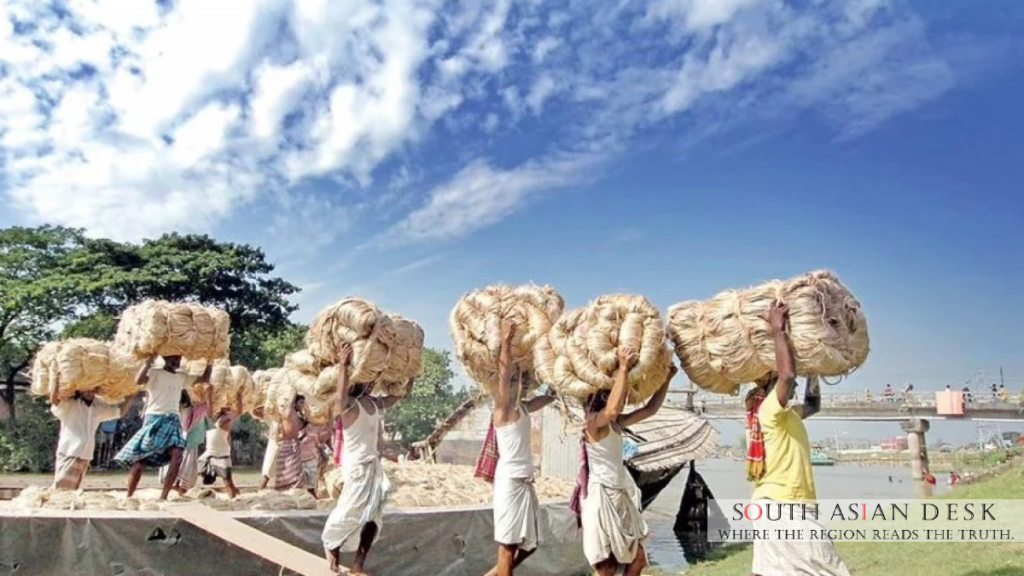
Cashew nuts, another beneficiary, saw $359 million in US-bound shipments in 2024. Kerala and Maharashtra farmers, who employ over 1 million workers, welcome the easing. Fruits like mangoes and pineapples, previously hit by seasonal duties, now enter with reduced costs. Vegetable waxes and cocoa preparations round out the list.
Ajay Sahai, director general of the Federation of Indian Export Organisations, praised the policy. “This order opens space for premium, speciality and value-added products,” he said. “Exporters who shift towards higher-value segments will be better protected from price pressures and can tap rising consumer demand.”
Data from the US Department of Agriculture corroborates the shift. Pre-tariff, Indian spices held 25 per cent market share in the US. Post-hike, that dipped to 18 per cent. Rollbacks could reclaim lost ground, especially as American importers seek stable suppliers amid global disruptions.
Trump U-Turn Boosts Indian Agriculture
The tariff escalation began in April 2025, when President Trump declared a national emergency over trade deficits. A baseline 10 per cent duty applied universally, with India facing additional 40 per cent levies on select goods. Agriculture bore the brunt, as US producers lobbied for protection.
India responded with diplomatic overtures. Bilateral talks in September yielded preliminary terms for a trade agreement, paving the way for exemptions. The US Trade Representative’s office confirmed the rollback applies to “reciprocal tariffs” under the executive order, sparing pharmaceuticals and critical minerals alongside farm items.
In Kerala, spice hubs like Idukki report early wins. Local cooperatives forecast a 15 per cent uptick in orders by December. Assam tea estates, recovering from floods, see export quotas fill faster. Nationwide, the All India Spices Exporters Forum estimates 200,000 jobs at risk without relief; now, expansion beckons.
Ajay Srivastava, founder of the Global Trade Research Initiative, offered measured optimism. “The tariff shift would marginally strengthen India’s position in spices and niche horticulture and help revive some lost US demand after the tariff hikes,” he said.
Challenges persist. Seafood like shrimp and basmati rice stay excluded, facing 25 per cent duties. Jewellery and apparel endure higher rates. Freight costs from India average $4,000 per container to the US East Coast, eroding margins. Stricter US food safety norms, under the FDA’s FSMA rules, demand costly certifications for small farmers.
Competition looms large. ASEAN nations like Vietnam dominate cashews with lower labour costs. Latin American suppliers lead in bananas and coffee. Still, India’s edge in organic spices certified under APEDA standards, positions it for premium niches.
Background: From Escalation to Easing
Tariff wars trace back to Trump’s first term, but 2025 marked a sharp turn. Post-inauguration, duties targeted China’s $500 billion surplus, spilling over to allies. India, with its $30 billion deficit, drew scrutiny. April’s hikes aimed to “rectify trade practices,” per USTR statements.
India countered by slashing duties on US bourbon and motorcycles in February 2025, as noted in a joint MEA-US communique. These gestures built goodwill. By November, inflation data grocery baskets up 6 per cent, forced a rethink. The rollback, though partial, signals pragmatism.
Government data underscores the stakes. The Directorate General of Commercial Intelligence tracks a 20 per cent farm export growth target for FY26. US markets contribute 18 per cent of that ambition. Without exemptions, projections fell short by $1.2 billion.
What’s Next for India-US Trade Ties and Trump Tariff Rollback
Ongoing bilateral talks could expand exemptions. A framework agreement by Q1 2026 might cover textiles and IT. Indian negotiators push for zero duties on basmati, while US seeks dairy access.
For farmers, diversification matters. Schemes like the Agriculture Infrastructure Fund allocate INR 10,000 crore for processing units, aiding value addition. Exporters eye e-commerce platforms like Amazon US for direct sales.
Trump tariff rollback benefits Indian farmers extend beyond borders. As South Asia integrates supply chains, this U-turn fosters resilience. Watch for quarterly export figures in January, they may confirm the surge.
Published in SouthAsianDesk, November 17th, 2025
Follow SouthAsianDesk on X, Instagram, and Facebook for insights on business and current affairs from across South Asia.