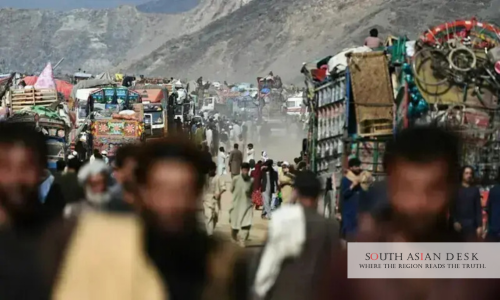
RAWALPINDI, Pakistan – 76 illegal Afghans detained in Rawalpindi on Monday during a major operation targeting undocumented migrants. The action hit at 4:35 PM across multiple areas. Authorities booked 21 people for harbouring unregistered tenants in Rawalpindi. The raids followed a deadly Islamabad blast. Officials link the push to the Afghan deportation policy.
Rawalpindi Afghan Crackdown Targets Illegals
Police teams swept through 1,375 houses, 412 shops, and 28 hotels in the Rawalpindi Afghan crackdown. They checked four junkyards and three bus stands, and over 1,709 individuals faced scrutiny. The operation covered Kallar Syedan, Rawat, Gujar Khan, Chountra, Dhamial, Kahuta, Jatli, Saddar Beruni, Pirwadhai, Ratta Amral, Ganjmandi, City, Waris Khan, Banni, New Town, Sadiqabad, Sahial, Naseerabad, Civil Lines, Morgah, and Cantt. Illegal Afghans detained in Rawalpindi totalled 76, all lacking valid papers.
City Police Officer Syed Khalid Hamdani directed the effort. A task force and 13 special units now hunt daily. They transport suspects to holding centres. SSP Operations formed the groups after reviewing performance. “The aim of the search operations was to establish law and order and curb crime,” a police spokesman stated. “All resources are being utilised to enforce the rule of law and maintain order.”
The raids intensified after a Tuesday suicide bomb in Islamabad. That attack killed 12 and injured 35. Security hit high alert in Rawalpindi. Extra forces guard courts, government buildings, and police sites. Entry demands strict checks and body searches.
Unregistered Tenants in Rawalpindi Face Charges
Owners drew criticism for renting to unregistered tenants in Rawalpindi. Police filed 21 cases against those who failed to enter tenancy data. The law requires landlords to report foreign renters within 24 hours. Failure invites fines or jail. Officials verified records during the Rawalpindi Afghan crackdown. Many tenants hid in shops and hotels.
A district official joined each team, along with one representative from the Counter-Terrorism Department, Security Branch, and Special Branch. They scanned IDs and visas. Most detainees held no documents. Some claimed expired Proof of Registration cards. Afghan deportations to Pakistan are barred by rules that require stays without valid papers. The ministry extended PoR validity to June 30, 2025, but enforces relocation from urban zones.
Landlords voiced frustration. One shop owner in Saddar said checks disrupted business. Police urged compliance to avoid penalties. The spokesman added that unregistered tenants fuel crime rings. “We target harbourers to deter illegal stays,” he noted. Cases now head to courts for hearings.
Afghan Deportation Pakistan Policy Escalates
The illegal Afghans detained in Rawalpindi fit a broader Afghan deportation drive in Pakistan. Phase one hits undocumented migrants. Phase two shifts PoR holders from Islamabad and Rawalpindi. A January 29, 2025, notification from the Prime Minister’s Office outlines the plan. It sets March 31, 2025, as the deadline for the relocation of third-country-bound Afghans.
Foreign Ministry spokesperson Shafqat Ali Khan addressed queries. He noted policy details emerge in briefings. The plan stems from security concerns. Officials cite terrorism links from Afghan soil. Pakistan hosted millions of Afghans for decades. It provided education and health aid with scant global help.
The Ministry of Foreign Affairs emphasized the importance of dignity in repatriation. “We expect interim Afghan authorities to create conducive conditions,” a statement read. Returnees need integration support. Rights groups monitor the process. They flag risks of rushed exits. Over 600,000 Afghans have left since late 2023 under similar drives.
Security Echoes in South Asia
Illegal Afghans detained in Rawalpindi highlight Pakistan’s border security pivot. It curbs urban crime and terror risks in a tense region. South Asia grapples with refugee flows from Afghanistan. The Rawalpindi Afghan crackdown bolsters stability but strains ties with Kabul. India and Iran watch as deportations reshape migration patterns. Economic hits loom for host communities, yet enforcement aids law and order.
Background: Refugee Influx and Policy Shifts
Afghans fled to Pakistan en masse post-1979 Soviet invasion. Numbers swelled after the 2021 Taliban takeover. Pakistan issued Afghan Citizen Cards and PoR cards for tracking. The 2023 Illegal Foreigners Repatriation Plan came into existence. It prioritises undocumented cases.
Islamabad’s March 2024 blast, killing five, spurred urban bans. Afghan nationals barred from the capital will stay without permission after December 31, 2024. Punjab raids nabbed dozens during protests. Rawalpindi joins the net. Hotels and junkyards serve as hideouts. Police data shows 2 million Afghans remain, many undocumented.
The policy draws mixed fire. Supporters hail terror curbs. Critics decry humanitarian lapses. UN agencies aid voluntary returns. Pakistan has logged 1.7 million departures since October 2023.
Task Force Role in Enforcement
SSP Operations established the task force following blast-related investigations. Units raid from dawn to dusk. They log tenants via apps. Special Branch flags terror ties. Detainees get hearings before deportation. The setup mirrors Islamabad’s model. CPO Hamdani vowed zero tolerance. “Daily transports to centres ensure swift action,” he directed.
Coordination spans agencies. CTD screens for militants. Security Branch checks networks. Results feed national databases. The Rawalpindi Afghan crackdown logged 76 in one day, up from 45 last week.
What’s Next for Detentions
The courts will soon process the 21 unregistered tenants in Rawalpindi cases. The 76 illegal Afghans detained in Rawalpindi await deportation hearings. Task forces expand to Taxila and Wah. Afghan deportation Pakistan targets 500,000 more by year-end. Ministry briefings clarify phase two. Rights monitors urge fair play. The Rawalpindi Afghan crackdown sets the pace for Punjab-wide sweeps. Illegal Afghans detained in Rawalpindi signal firmer borders ahead.
Published in SouthAsianDesk, November 17th, 2025
Follow SouthAsianDesk on X, Instagram, and Facebook for insights on business and current affairs from across South Asia.