

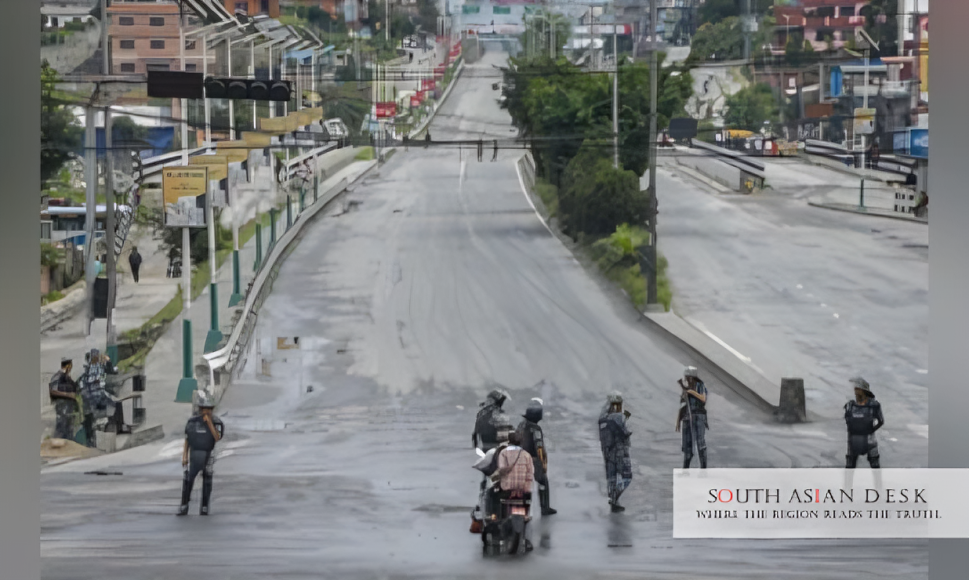
Curfew imposed by authorities in Nepal in Bara district on Wednesday after clashes erupted between Gen Z protesters and cadres of the Communist Party of Nepal (Unified Marxist-Leninist), or CPN-UML, near Simara Airport. The order, effective from 12:30 pm to 8 pm, covers a 500-metre radius around the airport and adjacent road sections. No arrests or injuries were reported immediately, but the violence disrupted flights and intensified calls for political accountability.
Chief District Officer Dharmendra Kumar Mishra cited risks to public property as the reason for the measure. This incident stems from broader unrest following the dissolution of the House of Representatives.
Why This Matters
Nepal’s political turmoil, fuelled by youth-led demands for reform, threatens stability in South Asia. As a buffer state between India and China, any escalation could disrupt trade routes and migration flows, drawing in regional powers and complicating post-uprising governance.
Gen Z UML Clash Sparks Simara Curfew
The confrontation unfolded at Simara Airport in Jitpur Simara sub-metropolis, a vital hub near the Indian border. Hundreds of Gen Z activists, born between 1995 and 2010, gathered to block the arrival of CPN-UML leaders, including General Secretary Shankar Pokharel and youth wing head Mahesh Basnet. The UML cadres aimed to rally supporters for reinstating the dissolved House of Representatives, a move ousted Prime Minister K.P. Sharma Oli champions.
Protesters chanted slogans against the party, accusing it of complicity in the deaths of 76 demonstrators during earlier anti-corruption rallies in September 2025. Stones were thrown, and scuffles broke out, prompting police intervention. Buddha Air cancelled all Kathmandu-Simara flights for the day, stranding passengers and halting cargo operations. Local traders reported losses exceeding NPR 5 million from halted business.
Chief District Officer Mishra stated, “The situation is not normal right now. We are trying to control it.” The Bara district administration curfew order prohibits gatherings, processions, or sit-ins within the zone to avert further damage to government and private assets. Police deployed additional forces from neighbouring Parsa district to enforce compliance.
This Gen Z UML clash in Simara curfew highlights escalating tensions in Nepal’s youth protests. Activists view the UML as emblematic of entrenched corruption and authoritarianism that sparked the 2025 uprising.
Nepal Youth Protests Fuel Bara Violence
The Bara violence fits a pattern of nationwide demonstrations that toppled Oli’s government two months ago. Gen Z groups, organised via social media despite past bans, demand probes into police excesses and constitutional reforms. In Kathmandu, protests at Maitighar Mandala drew over 50,000 in peak weeks, leading to Oli’s resignation on September 15, 2025.
The new coalition, led by Pushpa Kamal Dahal “Prachanda,” dissolved the House on November 15 to curb opposition filibusters, prompting UML counter-rallies. Youth leaders argue this perpetuates elite capture. “We fought for transparency, not more musical chairs in power,” said a 22-year-old protester from Simara, speaking anonymously for safety.
Data from the Nepal Police show over 200 clashes since August, with 1,200 arrests and property damage totalling NPR 2.5 billion. In Bara, the district’s proximity to Bihar state amplifies risks, as cross-border kin networks fuel solidarity marches. The administration’s swift curfew imposition echoes similar orders in Sunsari and Sarlahi earlier this year.
Bara district administration curfew order details specify exemptions for essential services like ambulances and media. Schools closed early, and markets shuttered by noon. Residents queued for groceries before the cutoff, voicing frustration over recurring disruptions.
Broader Context of Political Unrest
Nepal’s crisis traces to economic woes post-2024 floods, which displaced 300,000 in the Terai plains including Bara. Youth unemployment hovers at 42 per cent, per Labour Ministry figures, driving migration to Gulf states. The Gen Z movement coalesced around hashtags like #ReformNow, amassing 5 million engagements on platforms before temporary bans.
Oli’s UML, with 121 seats in the dissolved House, vows legal challenges via the Supreme Court. Party spokesperson Gyanendra Shah said, “Peaceful protests are democratic rights; violence serves no one.” Yet, cadres’ presence at Simara escalated the standoff. Prachanda’s office urged dialogue, but no talks are scheduled.
International observers, including UN Human Rights monitors, logged 19 protester deaths on September 8 alone, mostly from live rounds. India expressed concern via envoy visits, citing shared border security.
Background: Nepal’s Gen Z Uprising
The 2025 protests erupted on August 1 in Kathmandu, initially against a proposed social media tax seen as stifling dissent. By mid-September, they paralysed cities, with roadblocks on the East-West Highway affecting Bara’s logistics. Oli’s crackdown, including internet blackouts, backfired, eroding his support base.
Gen Z, comprising 25 per cent of Nepal’s 30 million population, prioritises climate action and digital rights. Surveys by the Centre for Media and Democracy show 68 per cent of under-25s distrust legacy parties like UML. The uprising forced Oli’s exit but left a power vacuum, with Prachanda’s minority government reliant on independents.
In Bara, a UML stronghold with 80 per cent Madhesi demographics, youth alienation runs deep. Local elections in 2022 saw UML win 15 of 20 wards, but abstention rates hit 35 per cent among 18-24s.
What’s Next after Curfew Imposed in Nepal
Authorities may extend the curfew imposed in Nepal’s Bara district if UML plans more rallies. Gen Z coordinators call for a national strike on November 25, while Prachanda proposes a youth-inclusive commission on reforms. Supreme Court hearings on the House dissolution begin December 1, potentially averting wider unrest. Regional implications loom, with India monitoring for refugee spikes.
The curfew imposed in Nepal’s Bara district underscores unresolved grievances, urging leaders to bridge generational divides before violence spreads.
Published in SouthAsianDesk, November 20th, 2025
Follow SouthAsianDesk on X, Instagram, and Facebook for insights on business and current affairs from across South Asia.
