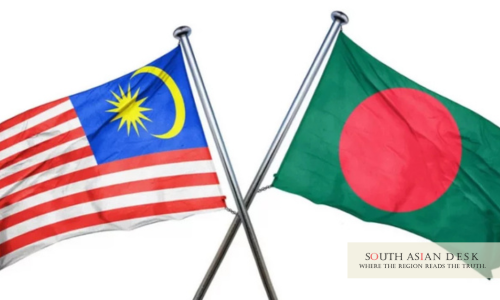
United Nations human rights experts urged Bangladesh and Malaysia on Friday, November 21, 2025, to intensify efforts to protect migrant workers. The call addressed the widespread debt bondage Bangladeshi migrants face in Malaysia. Experts highlighted fraudulent recruitment driving exploitation. They demanded accountability from both governments.
This UN initiative urges the protection of migrant workers in Bangladesh and Malaysia across South Asia. Remittances from abroad fuel economies like Bangladesh’s, reaching over USD 20 billion annually. Yet abuses erode trust in migration channels. Reforms could stabilise labour flows, reduce poverty, and curb human trafficking in a region sending millions overseas.
UN Experts Highlight Systemic Abuses
UN experts voiced deep concern over Bangladeshi workers’ exploitation in Malaysia. In a Geneva statement, they noted that thousands of recruits, through Bangladesh Overseas Employment and Services Ltd, paid fees that were over five times the official limits. These costs, often USD 4,500 to USD 6,000, plunge workers into debt bondage that Bangladeshi migrants endure for years.
The experts include Tomoya Obokata, Special Rapporteur on contemporary forms of slavery; Gehad Madi, Special Rapporteur on the human rights of migrants; and members of the Working Group on Business and Human Rights: Pichamon Yeophantong (Chairperson), Damilola Olawuyi (Vice-Chairperson), Fernanda Hopenhaym, Lyra Jakulevičienė, and Robert McCorquodale.
“We are deeply troubled that fraudulent recruitment and the exploitation of migrants remain widespread and systematic in Malaysia,” the experts stated. “These practices continue to cause significant human rights harms to affected workers and their families.”
Reports detail the confiscation of passports by employers, false job promises, and contract discrepancies. Workers face reassignment without consent and demands for extra payments. Personal data, including passport numbers, is published without approval, heightening risks. Some signs coerced false declarations, claiming only official fees had been paid.
The UN urges Bangladesh and Malaysia to push for the protection of migrant workers, building on prior alerts. An April 2024 statement decried the “unsustainable and undignified” plight of stranded Bangladeshis. Experts then flagged criminal networks that generate vast sums through deceit. Action against perpetrators remained insufficient.
Malaysia hosts over 800,000 Bangladeshi workers as of June 2025, forming 37% of its foreign workforce. Sectors like manufacturing and construction rely on them. Yet vulnerabilities persist. Workers report arbitrary arrests, detentions, and deportations for complaining. Reprisals include employer threats or government inaction.
Bangladesh’s Expatriates’ Welfare and Overseas Employment Ministry oversees outflows. Official fees cap at around USD 1,000, but syndicates inflate costs via middlemen. A May 2024 recruitment halt aimed to curb irregularities; however, issues persist.
Calls for Concrete Reforms
Experts outlined targeted steps in their UN appeal for the protection of migrant workers from Bangladesh and Malaysian migrant workers. Bangladesh must bolster recruitment oversight, perhaps via a centralised job portal. It should ban worker fees entirely and mandate pre-departure training on workers’ rights. Effective reporting channels would aid in remedies for victims.
Malaysia faces demands for robust safeguards against exploitation. This includes firewalls between labour enforcement and immigration to prevent reprisals. Expanded inspections target high-risk sectors. Both nations must independently investigate abuses, offer restitution, and grant debt relief.
“We urge both governments to intensify their efforts to ensure that migrant workers are not criminalised or re-victimised, and that fraudulent recruitment agencies and other responsible actors are held accountable,” the experts said.
Cooperation emerges as key. Dismantling networks requires joint investigations, input from civil society, and collaboration with trade unions, national human rights bodies, and UN agencies. Labour migration demands rights-based governance: transparent, accountable, humane.
UN experts migrant rights Bangladesh extend to returnees. Many face stigma or joblessness post-exploitation. Experts recommend reintegration support, including skills training and financial assistance. This holistic view addresses root causes, such as poverty, that drive migration.
In Malaysia, civil society groups echo concerns. The Migrants’ Rights Network reports ongoing passport withholdings, tied to the debt bondage that Bangladeshi migrants suffer. Employers use documents as leverage, trapping workers in low-wage roles.
Bilateral talks resumed post-2024 halt. A November 2024 memorandum set quotas at 1.5 million over three years, with safeguards. Yet implementation falters. UN experts note high-level officials in both countries may condone syndicates, demanding probes.
Broader Implications for Labour Flows
Bangladeshi workers’ exploitation in Malaysia reflects South Asian patterns. India and Pakistan send millions to Gulf states, facing similar woes. Remittances reached USD 25 billion for Bangladesh in 2024, equivalent to 6% of the country’s GDP. Abuses threaten this lifeline, sparking protests and diplomatic strains.
The International Labour Organization estimates that there will be 169 million migrant workers globally in 2024, with Asia being the most dominant region. Debt bondage affects approximately 50 million people worldwide, according to data from the Walk Free Foundation. The UN urges Bangladesh and Malaysia to model reforms for the protection of migrant workers, which could influence pacts with Saudi Arabia or the UAE.
Experts emphasize the business responsibilities outlined in the UN Guiding Principles. Malaysian firms must audit their supply chains and ensure ethical hiring practices. Non-compliance risks reputational hits in export markets.
Public response grows. Social media tags like #ProtectMigrantWorkers trend in Dhaka and Kuala Lumpur. Unions rally for fee caps. A rally in Dhaka on November 22 drew 500, demanding action from the ministry.
Government stances vary. Bangladesh’s ministry reviews UN complaints, per 2024 statements. It probes BOESL irregularities. Malaysia’s Human Resources Ministry pledges inspections but reports few convictions.
This scenario highlights the double-edged nature of migration. Opportunities abroad lift families, yet perils lurk without safeguards. UN experts migrant rights Bangladesh emphasise prevention over cure.
Background: Evolution of the Crisis
Ties between Bangladesh and Malaysia date to the 1970s labour pacts. Flows surged after the 1990s, reaching a peak of 1.2 million workers. A 2018 scandal over torture videos prompted bans, lifted in 2021 with quotas.
The 2024 crisis erupted when 18,000 workers arrived jobless and with unpaid fees. UN’s April alert followed, citing fake firms and bribes. It may halt thousands stranded at borders. Resumption brought promises, but the November 2025 statement reveals persistence.
Debt bondage among Bangladeshi migrants is often traced to unregulated brokers. Official channels like BOESL aim to centralise, yet loopholes allow syndicates. Workers borrow at 20% interest, repaying the loan over years through salary deductions.
Before the 2023 visit by Special Rapporteur Felipe González Morales, recruitment costs were flagged. He urged fee bans and destination accountability. Echoes persist in current appeals.
What’s Next: Pathways to Accountability
Both governments pledged dialogue. Bangladesh eyes portal rollout by 2026. Malaysia plans 10,000 extra inspections yearly. UN experts offer technical assistance and monitor progress. Civil groups push lawsuits against agencies. A test case in the Dhaka courts seeks USD 1 million restitution for 50 victims. Success could cascade.
Watch for joint task force announcements. Enhanced training reaches 100,000 workers annually. Debt audits target 20,000 cases. As scrutiny mounts, the UN urges Bangladesh and Malaysia to protect migrant workers, a clarion call for equitable migration. States must act, lest exploitation deepens divides.
Published in SouthAsianDesk, November 22nd, 2025
Follow SouthAsianDesk on X, Instagram, and Facebook for insights on business and current affairs from across South Asia.