Voter confidence remains low as Bangladesh national election nears, with nearly half undecided on candidates. Reforms stall while turnout fears grow, testing the interim government’s credibility in the post-uprising era.
Bangladesh National Election Looms with Mounting Doubts
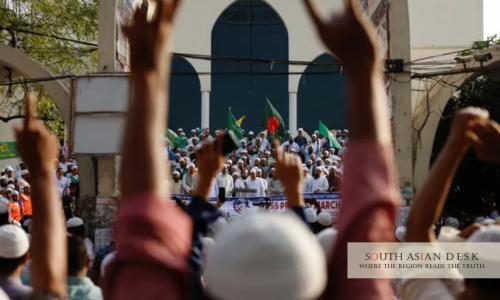
Bangladesh gears up for its national election in February 2026. The polls follow the 2024 ouster of Sheikh Hasina’s government. Chief Adviser Muhammad Yunus announced the date alongside a referendum on the July Charter. By 4:35 PM on Monday, August 25, 2025, surveys show fragile trust in the process. Over 127 million people qualify to vote. The Election Commission (EC) published the final list in November. Yet concerns over fairness persist.
The EC outlined 24 tasks in its August roadmap. These include delimiting constituencies and registering parties. Expatriates vote for the first time via a postal app. The “Postal Vote BD” tool lets non-residents register and track ballots. Still, 48.5% of voters remain undecided on candidates. This marks a sharp rise from earlier polls. Political violence and unresolved reforms fuel apathy.
Chief Election Commissioner AMM Nasir Uddin spoke in Rangpur. “People have lost confidence in the election system, the Election Commission and the administrative machinery,” he said. The EC works to restore faith. Tasks like voter training end by September. Army and navy deploy 92,500 personnel for security.
The interim government met officials on October 29. Yunus directed completion of preparations by November 15. The schedule drops in early December. BNP and Jamaat-e-Islami lead preferences. Awami League faces a ban until trials end. National Citizen Party pushes reforms.
Bangladesh Voter Confidence Low Despite Reform Pledges
Bangladesh voter confidence low stems from past irregularities. The 2024 election saw record low turnout. Citizens now question the system’s integrity. A BRAC Institute survey in August found 42% believe the country stays on track politically. This drops from 56% in October 2024.
Consultations by Citizen’s Platform spanned divisions. Events in Sylhet, Rajshahi and others drew citizens. They voiced fears over free and fair polls. Debapriya Bhattacharya, convener, highlighted the risks. “Many fear the election may not be held or may not be free, fair, acceptable or participatory,” he said.
Marginalised groups feel unheard. Youth and rural voices dominate discussions. Shaheen Anam of Manusher Jonno Foundation noted progress. “They are sharing their thoughts, concerns and expectations regarding the upcoming election,” she said. “They have now become aware of their rights and are expressing them without hesitation.”
The International Republican Institute (IRI) assessed in November. It met 59 stakeholders. The report urges neutrality and security. “The Interim Government’s success will depend on its ability to maintain neutrality, ensure security, and advance the National Consensus Commission’s reform agenda,” it stated.
Disinformation erodes trust further. Social media spreads fake campaigns. Around 50% of the electorate stays undecided. This hits youth and women hard. Urban voters show apathy. Experts warn of post-poll riots if unchecked.
Bangladesh Election Reforms: Consensus Eludes Key Players
Bangladesh election reforms top demands. The National Consensus Commission formed in 2025. It aims to overhaul the system. Yet parties clash on timing. BNP wants changes post-election. It calls the Charter “procedural overreach.” National Citizen Party seeks simultaneous votes.
The July Charter targets constitutional flaws. It criticises the 1972 document. A referendum tests its provisions in February. Yunus addressed the nation on November 13. “The parliamentary elections will be held in a festive atmosphere in the first half of February,” he said.
EC chief Nasir Uddin stressed impartiality. “The most critical challenge is to ensure that the upcoming national election is conducted in a free, fair and impartial manner,” he added. Voter list updates lag. Polling booths need final counts. Expat rights remain partial.
Reforms cover rule of law and women’s empowerment. Citizens demand anti-corruption measures. Education and SDGs feature in talks. Political consensus lacks full buy-in. This may sway outcomes. Platform meetings urged immediate action. “If existing problems are not addressed immediately, the situation may worsen,” Bhattacharya warned. IRI recommends tangible steps. It calls for observer accreditation. Media freedom aids transparency. The government eyes global confidence. Yet internal rifts persist.
Bangladesh Polls Voter Turnout: Apathy Grows Among Youth
Bangladesh polls voter turnout faces headwinds. Past disengagement lingers. Many skip stations, assuming votes get rigged. Nasir Uddin noted the mindset. “Over the years, people have become disengaged from the voting process,” he said.
Surveys predict low participation. Innovision Consulting found 62% decided in March. Undecided hit 29.4%, highest among Gen Z at 33.6%. Recent polls show two-thirds undecided. BNP leads at 42%, Jamaat at 32%. Awami League trails at 14%. Youth demand more. They seek candidate info. Political evolution sways choices. Rural men and women express rights boldly. Expatriates add 87,000 registrations. The app boosts access abroad.
Security measures aim high. 92,500 troops ensure order. Yunus vowed a memorable vote. “This will be one of the best elections in Bangladesh’s history,” a press secretary quoted officials. Media campaigns raise awareness. Disinformation fuels doubts. Spoilers target minorities. Counter-narratives lack reach. High turnout needs celebration vibes. Citizens want safe, meaningful votes.
Background: From Revolution to Referendum
Bangladesh’s path traces to August 2024. Protests toppled Hasina. Yunus took charge on August 8. The interim bans Awami League activities. Trials probe protester deaths. The 13th Jatiya Sangsad election marks renewal. 127,695,183 voters include 1,234 third gender. Males number 64,814,907, females 62,879,042. Expat voting debuts.
Past polls drew criticism. 2024’s low turnout sparked change. July Charter emerges from uprising. It pledges democratic identity. Regional ties strain, especially with India. South Asia watches closely. Stable Bangladesh aids neighbourhood. Reforms could inspire peers. Yet risks of division loom.
What’s Next: Path to Credible Polls
The EC finalises the schedule soon. Delimitation wraps by November. Party registrations follow. Referendum campaigns launch. Voter education ramps up. Yunus calls it century-defining. “It will set the course for Bangladesh for the next hundred years,” he said. Consensus builds or breaks here. Bangladesh national election tests resolve.
Published in SouthAsianDesk, November 30th, 2025
Follow SouthAsianDesk on X, Instagram, and Facebook for insights on business and current affairs from across South Asia.