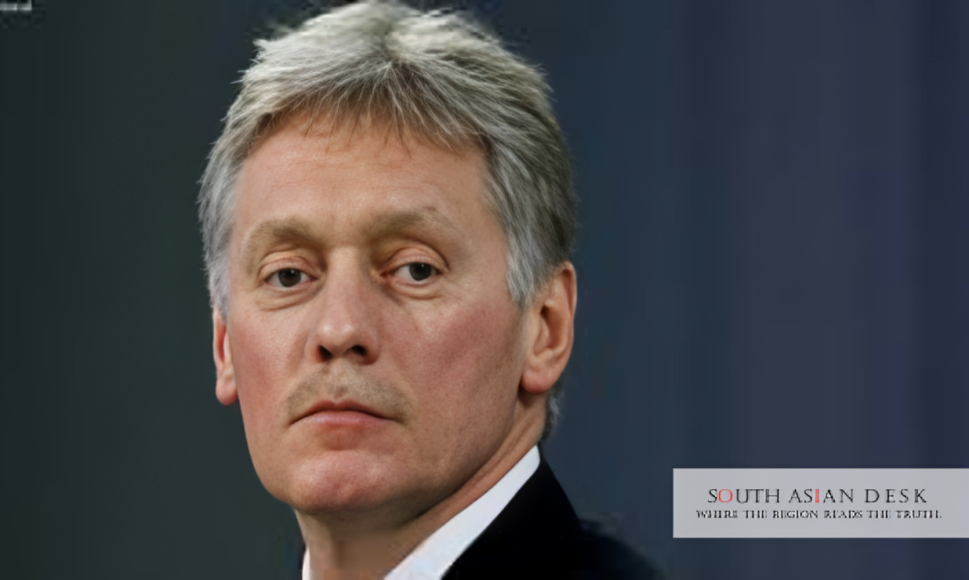
Moscow, December 4, 2025 – Russia Afghanistan ties took a firm step forward as Kremlin spokesperson Dmitry Peskov urged sustained dialogue with Kabul at a briefing in New Delhi on December 2. Speaking ahead of the Russia-India summit, Peskov emphasised the need to engage Afghanistan’s de facto government on regional security. This comes five months after Russia became the first nation to recognise the Islamic Emirate on July 3, boosting Russia Taliban relations and opening doors for Afghanistan Russia cooperation.
The move underscores Moscow’s strategic pivot towards Central Asia, where Afghanistan borders former Soviet states like Tajikistan. Peskov noted Russian border guards’ deployment there, framing it as essential for stability. “We have our relations with Afghanistan. There is a de facto government in Afghanistan. It is an important country in the region. It neighbours former Soviet territories. It shares a border with Tajikistan,” Peskov stated.
For South Asia, these developments carry weight. Enhanced Russia Afghanistan ties could reshape dynamics between India and Pakistan, both key Moscow Format participants. India, a long-time Afghan partner, shares Peskov’s call for mutual understanding on Kabul. Pakistan, facing border tensions, stands to gain from stabilised Russia Taliban relations that curb militancy spillovers. Broader Afghanistan Russia cooperation might ease trade routes, benefiting the region’s $100 billion informal economy tied to Afghan transit.
Kremlin Signals Deeper Engagement
Kremlin spokesperson Peskov’s remarks mark a continuation of Moscow’s proactive stance. In July, Deputy Foreign Minister Andrey Rudenko accepted credentials from the Islamic Emirate’s new envoy, formalising ties. This recognition, absent from Western capitals, positions Russia as a counterweight in Afghan affairs.
Peskov’s December briefing built on that foundation. He stressed dialogue’s role in addressing shared concerns. Russia maintains a technical mission in Kabul since 2003, now evolving into fuller diplomatic presence. Trade volumes hit $500 million in 2025, up 20% from last year, per Russian Federal Customs Service data. Key exports include wheat and fuel; imports feature minerals.
Abdul Latif Nazari, Afghanistan’s Deputy Economy Minister, welcomed the trajectory. “Russia is a powerful country in the region and can play a positive role in enhancing the relations of the Islamic Emirate of Afghanistan with Central Asian countries,” Nazari said in a July statement.
Russia Taliban Relations: From Recognition to Reality
Russia Taliban relations have accelerated since July 3. Moscow’s move unlocked frozen Afghan assets and eased humanitarian aid flows. Over 50,000 tonnes of Russian wheat reached Kabul this year, averting famine risks amid drought.
The Taliban reciprocated with security pledges. In October’s Moscow Format talks, Afghan delegates committed to countering ISIS-Khorasan threats, a boon for Tajikistan and Uzbekistan. Russia, chairing the format, hosted India, Iran, Pakistan and China essentially key South Asian players.
Peskov reiterated this in New Delhi. “We are strengthening our relations with Afghanistan. We know our counterparts are present there, and we must discuss regional issues with them. We have shared interests in the region and will continue to develop our relations with Afghanistan. In this regard, we have a mutual understanding with India,” he added.
This alignment eases India’s worries over Chinese influence in Kabul. Pakistan benefits too, as stabilised Russia Afghanistan ties reduce cross-border incursions, down 15% since mid-year per UN reports.
Border Security in Focus
Central to Russia Taliban relations is border management. Russian forces patrol Tajik-Afghan frontiers, a 1,300-km stretch prone to smuggling. Peskov highlighted this deployment as vital. Incidents fell 30% post-recognition, according to Tajik Interior Ministry figures.
Afghanistan Russia cooperation extends here. Joint training for Afghan guards began in September, funded by $10 million Russian aid. This bolsters the Taliban’s capacity without Western strings, appealing to regional autonomy seekers.
Afghanistan Russia Cooperation: Economic Horizons
Afghanistan Russia cooperation spans energy and infrastructure. Gazprom explores Afghan gas fields, eyeing a $2 billion pipeline to Central Asia. Rosneft signed memoranda for oil exploration in northern provinces.
In agriculture, Russian expertise aids opium replacement. Over 100,000 hectares shifted to wheat under joint programmes, yielding 2 million tonnes annually. This supports food security, critical for 40 million Afghans.
Trade forums in November drew 200 firms, projecting $1 billion bilateral volume by 2026. The Eurasian Economic Union, led by Russia, granted Afghanistan observer status in August, streamlining tariffs.
For South Asia, this matters. India exports $1.5 billion in pharmaceuticals to Kabul yearly; enhanced routes via Russia cut costs by 25%. Pakistan’s Gwadar port integrates, potentially handling 5 million tonnes of Afghan goods routed through Moscow allies.
Challenges Persist
Obstacles remain in Afghanistan Russia cooperation. Sanctions limit banking ties, forcing barter systems. The Taliban seeks full World Trade Organisation entry, with Russia lobbying support.
Human rights concerns linger. Western critics decry Moscow’s engagement, but Peskov dismissed them: dialogue trumps isolation.
Background
Russia’s Afghan outreach dates to 1979’s Soviet invasion scars. Post-2021 Taliban takeover, Moscow pivoted pragmatically. The 2024 Shanghai Cooperation Organisation summit elevated talks, paving July’s recognition.
Key milestones:
- 2022 humanitarian flights
- 2023 debt relief of $500 million
- 2025’s envoy exchange.
These underpin current Russia Afghanistan ties.
What’s Next
Upcoming Russia-India summit on December 5 may yield trilateral pacts. Moscow Format’s January meet could formalise security guarantees. Expect $300 million in fresh Afghanistan Russia cooperation aid, focusing rail links to boost South Asian connectivity. Russia Afghanistan ties, once strained, now promise stability. As Peskov noted, sustained dialogue ensures regional peace endures.
Published in SouthAsianDesk, December 4th, 2025
Follow SouthAsianDesk on X, Instagram, and Facebook for insights on business and current affairs from across South Asia.