India’s government is considering a telecom push for mandatory, always-on location tracking in smartphones: tech giants Apple, Google, and Samsung voice strong opposition. Privacy advocates warn of risks to millions across South Asia.
India Smartphone Surveillance: Telecom Proposal Targets Precise Tracking
India’s telecom sector has urged the government to mandate smartphone makers to enable always-on satellite-based location services. The Cellular Operators Association of India (COAI) leads the charge. This Indian smartphone surveillance initiative aims to boost law enforcement accuracy. Current cellular tower data often misses by several metres. A-GPS technology could pinpoint users within one metre.
The Department of Telecommunications received COAI’s proposal in June 2024. An internal IT ministry email outlined the plan. It requires activating A-GPS at the government’s discretion. Location services would run continuously. Users could not disable them. COAI represents major players like Reliance Jio and Bharti Airtel. These firms seek better tools for investigations.
The Home Ministry has scheduled a meeting with industry executives for Friday. Officials postponed it. No final decision emerged from IT or the home ministries. Queries to both went unanswered.
Apple Google Samsung India Protest: Tech Giants Reject Mandate
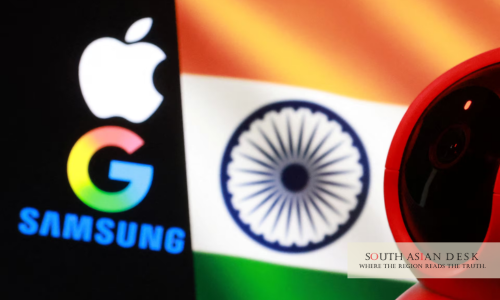
Apple, Google, and Samsung have protested the proposal. Sources with direct knowledge say the firms told New Delhi to drop the requirement. The India Cellular & Electronics Association (ICEA) backs them. ICEA represents Apple and Google. In a confidential July letter, ICEA described the measure as unprecedented.
“The A-GPS network service is not deployed or supported for location surveillance,” ICEA wrote. It labelled the push a “regulatory overreach.” ICEA highlighted concerns related to legal, privacy, and national security. Sensitive users include military personnel, judges, corporate executives, and journalists. COAI also wants to disable user alerts for location access. ICEA opposes this. It argues alerts ensure “transparency and user control over their location.”
Samsung aligns with the stance. The companies made no official comments. Their opposition underscores privacy concerns about India’s phone tracking. India holds 735 million smartphones as of mid-2024. Google’s Android dominates with over 95 per cent share. Apple’s iOS covers the rest, per Counterpoint Research data.
India A-GPS Tracking Proposal: Technical Shift for Law Enforcement
The India A-GPS tracking proposal builds on existing tech. A-GPS combines satellite signals with cellular data to provide accurate positioning. It activates typically for apps or emergencies. The new mandate would make surveillance permanent. Experts say this turns devices into tracking tools.
Junade Ali, a digital forensics expert with the Institution of Engineering and Technology in Britain, warned: “This proposal would see phones operate as a dedicated surveillance device.” Cooper Quintin, a security researcher at the US-based Electronic Frontier Foundation, called it “pretty horrifying.” He noted no similar global precedent.
COAI’s pitch ties to government needs. Agencies struggle with imprecise tower data in probes. Precise locations aid timely responses. The proposal limits activation to official orders. Still, always-on readiness worries critics. Telecom firms like Jio and Airtel back it for operational efficiency.
The Department of Telecommunications clarified the use of related technology in a December 2 X post. It addressed the Sanchar Saathi cyber safety app. “#SancharSaathiApp will come pre-installed, but that will not mean it’s watching you. It will not act as a surveillance tool, and it will not track your data in any way,” the post stated. The app protects mobile identity without requiring access to personal data. This follows the government’s revocation of a pre-emptive order amid concerns about snooping.
Privacy Concerns India Phone Tracking: Broader Implications
Privacy concerns about phone tracking in India have ignited across borders. In South Asia, shared smartphone markets amplify risks. Users in Pakistan, Bangladesh, and Sri Lanka rely on Indian-dominated supply chains. A precedent here could pressure regional policies. Activists fear cross-border data flows.
ICEA’s letter stressed national security. Location leaks could expose officials. Journalists face heightened threats in regions of tension. The Electronic Frontier Foundation urges global standards. India’s move echoes Russia’s app mandate. But experts see it as more invasive.
Data from Counterpoint Research shows smartphone penetration at 735 million units. Growth hits 10 per cent yearly. Android’s hold means widespread impact. Users in rural South Asia, with limited alternatives, stand vulnerable. Privacy groups call for impact assessments.
The proposal reignites debates following the Pegasus spyware scandals. Governments cite security. Yet, rights bodies demand safeguards. No user consent mechanism is evident in the drafts.
Background: Evolving Surveillance in India’s Digital Landscape
India’s push for advanced tracking aligns with a broader trend. The 2021 IT Rules expanded monitoring. Telecom retention laws require 180-day data storage. COAI’s role has grown since 1995. It lobbies for 5G and spectrum.
Recent wins include the Sanchar Saathi rollback. Activists and opposition parties decried it as overreach. The app is aimed at fraud detection. Backlash forced withdrawal this week.
Satellite navigation ties in. India’s NavIC system rivals GPS. The Press Information Bureau noted in 2023: NavIC matches US GPS accuracy in its region. ISRO’s IRNSS provides 20-metre precision over a distance of 1,500 km. Yet, the A-GPS proposal leans on hybrid tech, not fully indigenous.
Global context varies. The EU’s GDPR limits tracking. US warrants govern access. India’s framework lags, per Amnesty International reports.
What’s Next: Balancing Security and Rights in India Smartphone Surveillance
Ministries plan resumed talks. A decision is expected to be made by early 2025. Industry eyes amendments for opt-outs. Privacy concerns about India’s phone tracking may spur lawsuits. South Asian watchers monitor spillover.
Stakeholders urge dialogue. COAI seeks precision gains. ICEA pushes user protections. The Apple, Google, and Samsung India protest highlights divides. As deliberations continue, India’s smartphone surveillance tests digital freedoms.
Published in SouthAsianDesk, December 5th, 2025
Follow SouthAsianDesk on X, Instagram, and Facebook for insights on business and current affairs from across South Asia.