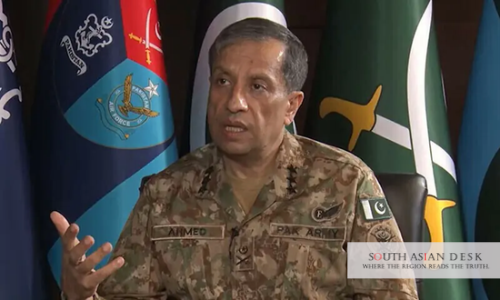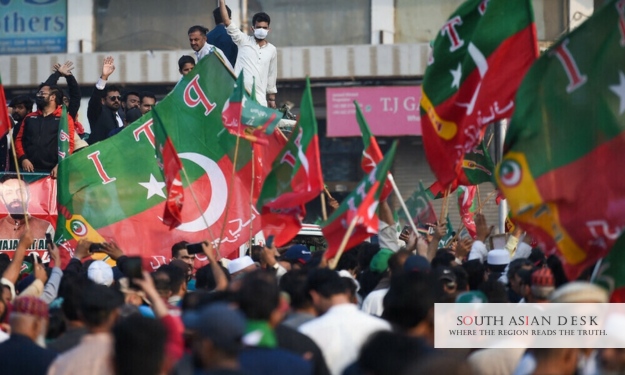
Strong PTI defiance on Monday, August 25, 2025, at 4:35 PM during a Peshawar rally where thousands gathered to reject Inter-Services Public Relations (ISPR) criticism of founder Imran Khan. The event at Peshawar Sports Complex targeted Lt Gen Ahmed Sharif Chaudhry’s remarks labelling Khan a national security threat.
PTI demanded an apology from the ISPR chief and opposed any governor’s rule in Khyber Pakhtunkhwa. Supporters waved party flags and chanted slogans against what they called unconstitutional interference. Rival parties rallied behind the military, accusing PTI of instability. The rally followed ISPR’s Friday press briefing in Rawalpindi. PTI announced a follow-up event in Kohat on December 14.
This clash highlights deepening divides in Pakistan’s political landscape. PTI’s stance underscores calls for Khan’s release from Adiala Jail, where he faces multiple charges. The military’s response marks a rare direct intervention in partisan rhetoric. Attendance estimates reached 50,000, per local police reports.
Why PTI Defiance Resonates Across South Asia
PTI defiance matters beyond Pakistan’s borders as it tests civilian-military balance in a nuclear-armed nation. South Asia watches closely, given shared histories of institutional friction in India, Bangladesh, and Afghanistan. Escalation risks economic fallout, with PKR volatility already up 2% post-briefing.
Regional stability hinges on de-escalation, as PTI’s narrative draws diaspora support from Gulf states. Foreign investors eye the unrest, with stock indices dipping 1.5% on Monday. Analysts note parallels to 2022 ouster of Khan, which spurred protests across Punjab and Sindh. This rally signals PTI’s base remains intact despite arrests of over 1,000 workers since February 2024 elections. Broader implications include strained ties with neighbours, as military focuses on border threats from India and Afghanistan.
The defiance amplifies demands for judicial independence, echoing calls in Sri Lanka’s 2022 uprising. In Pakistan, it bolsters opposition to the 26th Amendment, seen as curbing court autonomy. PTI’s resolve could inspire similar movements in Nepal or Maldives, where anti-establishment sentiment simmers.
Peshawar Rally PTI Draws Massive Turnout
The Peshawar rally PTI organised marked a bold display of party strength. Khyber Pakhtunkhwa Chief Minister Sohail Afridi addressed the crowd, blaming federal security policies for unrest. “You are not serious, as many military operations have been launched in the previous 21 years,” Afridi said. “PTI could not be held responsible if peace had not returned to the region because of your security policies.” MNA Sher Ali Arbab moved a resolution declaring Khan “a national hero and the elected and genuine prime minister of Pakistan, who was elected by the people on Feb 8, 2024.” The gathering rejected claims that Khan or associates threaten national security.
Security forces deployed 5,000 personnel, with no major incidents reported. PTI workers arrived from Swat, Dir, and Bannu, enduring checkpoints. Banners read: “Release Imran Khan: Defend Democracy.” The event lasted three hours, ending with prayers for jailed leaders. This Peshawar rally PTI follows similar gatherings in Lahore and Islamabad, sustaining momentum despite crackdowns.
Imran Khan ISPR Criticism Sparks Official Rebuttal
Imran Khan ISPR criticism dominated the rally’s agenda. PTI condemned Lt Gen Chaudhry’s briefing, where he called Khan “mentally ill” and a “serious national security threat” without naming him. The general accused Khan of anti-army rhetoric, saying: “His ego and desires have grown to such an extent that he says if not me, then nothing.” He added: “The narrative that person is pushing is no more about politics now but has become a matter of national security.”
PTI Secretary General Salman Akram Raja responded in Islamabad: “The remarks did not deserve a detailed response. It is unrealistic to portray the country’s most popular political leader as a national security risk.” Chairman Barrister Gohar Ali Khan urged restraint: “I have always hoped for reduced tensions. Today, ISPR’s press conference has left me disappointed.” PTI demanded Khan receive unrestricted meetings at Adiala Jail.
Defence Minister Khawaja Asif backed the ISPR: “The DG ISPR’s reaction was very appropriate. Imran Khan long used harsh language against state institutions.” The exchange escalates a feud rooted in Khan’s May 9, 2023, arrest, which PTI calls a false flag. ISPR cited Khan’s X posts as evidence of coordinated trolling, amplified by foreign media.
PTI Foreign Funding Latest Revives Old Wounds
PTI foreign funding latest allegations resurfaced during the defiance. Railways Minister Hanif Abbasi claimed: “I had said that the PTI was receiving Indian and Israeli money. This was proven. I took the foreign funding case to the Supreme Court.” He referenced a 2022 Election Commission of Pakistan (ECP) verdict finding PTI accepted prohibited funds from 34 foreign nationals and 351 overseas entities.
PTI rejected the claims: “It would be difficult for individuals like Abbasi to understand that Imran always stood firm for his country, its institutions, and the people of Pakistan at every forum.” The ECP order, dated August 2, 2022, issued a show-cause notice under the Political Parties Order 2002. No updates since, but Abbasi’s remarks tie into ISPR’s external elements narrative. PTI insists all accounts were banked and declared, providing data on 40,000 donors in 2019.
The row underscores transparency debates. ECP records show PTI concealed some transactions, per the 2022 ruling. Analysts link it to broader scrutiny of political financing in South Asia, where India’s electoral bonds faced similar backlash.
Background: Roots of PTI Defiance
PTI defiance traces to Khan’s 2022 ouster via a no-confidence vote, which he termed a US-backed conspiracy. Post-arrest, protests erupted, leading to May 9 vandalism blamed on PTI but denied as a setup. The 2024 elections, marred by rigging claims, saw PTI independents win but lose reserved seats. Khan’s incarceration since August 2023 on corruption charges fuels the narrative.
ISPR’s intervention follows Khan’s X posts criticising military leadership, including Field Marshal Asim Munir. Rival PML-N’s Ahsan Iqbal warned: “When politics crosses the line into anti-state narrative building… it threatens the stability, security, and unity of the country.” MQM-P’s Dr Khalid Maqbool Siddiqui added: “If PTI believes its leader is greater than the country, then it must make a choice.” Balochistan CM Sarfraz Bugti linked Khan’s stance to “hostile agencies.” These voices unified against PTI, echoing 2014 Azadi March tensions.
The Peshawar rally PTI builds on this history, with attendance rivaling 2022 Islamabad sit-ins. Imran Khan ISPR criticism echoes past spats, like 2023 corps commanders’ meetings. PTI foreign funding latest, though dormant, bolsters rivals’ attacks on legitimacy.
What’s Next for PTI Defiance
PTI plans the Kohat rally to sustain defiance, potentially drawing 30,000. Party sources hint at nationwide protests if Khan’s jail meetings remain restricted. Dialogue calls persist, but PTI insists on direct talks with decision-makers. Government eyes stability amid economic woes, with inflation at 12%. International observers, including UN rapporteurs, monitor for rights abuses. Escalation could prompt Supreme Court intervention on governor’s rule threats in Khyber Pakhtunkhwa.
PTI defiance shows no signs of waning, positioning the party as a bulwark against perceived authoritarianism.
Published in SouthAsianDesk, December 8th, 2025
Follow SouthAsianDesk on X, Instagram, and Facebook for insights on business and current affairs from across South Asia.