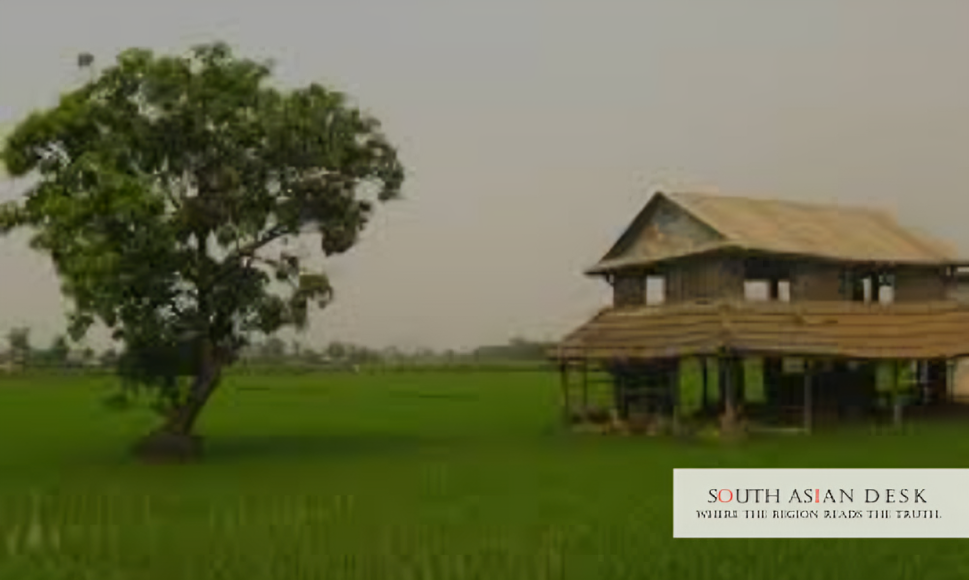
Nepal’s Terai region has earned global acclaim as Lonely Planet names it a top destination for 2025. This lowland expanse, rich in biodiversity and cultural traditions, draws travellers seeking authentic experiences beyond the Himalayas. The recognition comes as tourism officials report steady interest in its homestays and wildlife reserves. What drives this surge? Terai Nepal offers immersive stays and guided tours that support local communities, contrasting with overtouristed Himalayan trails.
This spotlight on Terai Nepal underscores a shift in South Asian travel patterns. As climate concerns mount, visitors prioritise eco-friendly options that empower indigenous groups like the Tharu. The region’s inclusion in Lonely Planet’s Best in Travel list signals potential economic uplift for Nepal’s southern plains, where tourism revenue could rival northern circuits. With protected areas covering vast grasslands, Terai Nepal positions itself as a model for balanced growth, fostering pride among locals while preserving fragile ecosystems.
Tharu Hospitality Defines Terai Nepal’s Allure
Terai Nepal captivates with Tharu hospitality, a tradition rooted in the phrase “Atithi devo bhava” – the guest is god. Indigenous Tharu communities, who have inhabited these plains for centuries, extend welcomes through rituals and shared meals. In villages like Bhada and Barauli, hosts don traditional nahagi saris and adorn guests with marigold garlands. This practice not only enriches visitor experiences but also instils cultural pride among participants.
Hariram Chaudhary, a homestay operator in Bhada, highlights the mutual benefits. “People can see our traditional way of life, and we get to welcome guests we’d never normally meet and show them Tharu hospitality,” he said. Such interactions include henna art sessions, folk dances, and tastings of local chhyang – a rice-based spirit. These elements align with Nepal Tourism Board’s promotion of authentic cultural immersion, drawing from the agency’s data on the Terai’s 17 percent share of national land area.
Tharu festivals further amplify this hospitality. The Auli ceremony, marking rice harvest’s end, features bamboo structures warded with marigolds and communal feasts of spiced rice-field rat – a symbolic pest deterrent. Janaki Mahato, another host, notes the empowerment angle. “Visitors show great interest in our culture, which has given me a renewed pride in who I am.” Her words reflect broader impacts, as women-led initiatives gain financial independence through tourism.
Official records from the Nepal Tourism Board emphasise Tharu culture’s role in rural economies. The board’s geography overview details Terai Nepal’s subtropical zones, from 60 to 305 metres elevation, ideal for year-round activities. This foundation supports community funds, where 20 percent of homestay fees – NPR 8,000 per night on average – finance local schools and infrastructure.
Nepal Homestays Terai: Authentic Stays for Modern Travellers
Nepal homestays Terai provide a gateway to unspoiled village life, operated under the Community Homestay Network. In Barauli, 12 such homes cluster around a central square, ensuring equitable guest distribution. Hosts like Shyam Chaudhary prepare meals in adobe kitchens using timber, mud, and paddy stalks. Guests enjoy sticky rice, dhikri cakes, and chilli-spiced omelettes, all sourced locally.
These stays blend comfort with tradition: air-conditioned rooms pair with Western bathrooms, yet dinners unfold on floor mats. Revenue splits favour hosts at 80 percent, with the rest bolstering community projects. In Bhada, near the India border, 10 homestays have opened bank accounts for women, transforming social dynamics. The network’s nationwide model, endorsed by the Nepal Tourism Board, has expanded to over 100 sites, promoting sustainable income in Terai Nepal.
Travellers access these via nine-day circuits that include guided bike rides and forest walks. Booking through official channels ensures ethical practices, aligning with government goals for inclusive tourism. As per board statistics, such initiatives contribute to Nepal’s 86,216 international arrivals in May 2025 alone, with Terai Nepal gaining traction post-pandemic.
Shukla Phanta Safari: Wildlife Haven in Terai Nepal
Shukla Phanta safari stands out as a highlight of Terai Nepal’s offerings. This national park, spanning 305 square kilometres with a 243.5-square-kilometre buffer zone, hosts the world’s largest barasingha deer herd and 350 bird species. Located in Kanchanpur district, it borders India along the Mahakali River, featuring sal savannas and wetlands teeming with Bengal floricans, tigers, and rhinos.
Safaris here operate via 4×4 vehicles in community forests like Shanti Kunj and Namuna, spotting langurs, peacocks, and storks year-round. Peak viewing falls between February and April, avoiding the June-September monsoon. Nature guide Sumit Chaudhary praises the approach. “Community tourism has had a positive impact here. It’s a model of how tourism should be. Be kind to nature and it will flourish.”
The Department of National Parks and Wildlife Conservation (DNPWC) oversees operations, gazetting the park in 2017. Its grasslands, maintained by seasonal floods, support 24 mammal species. Yet, access challenges persist: poor roads limited visitors to 3,762 in fiscal year 2023/24, per park records. This low footfall preserves serenity, allowing close encounters with mother-calf rhino pairs a rarity in busier parks like Chitwan.
Terai Nepal’s wildlife extends to Bardiya and Chitwan, UNESCO sites drawing hundreds of thousands annually. Shukla Phanta’s focus on conservation reduces human-animal conflicts, turning pests into assets for locals. Nepal Tourism Board data underscores the Terai’s biodiversity: 3.96 percent of global mammals within 0.1 percent of land.
Background: Terai Nepal’s Geographical Legacy
Terai Nepal forms the southern foothills, a 26-to-32-kilometre-wide belt of fertile plains. Once malarial swamps, malaria eradication in the 1950s opened it to settlement. Today, it contrasts Himalayan heights with subtropical forests, rivers, and farmlands. The Nepal Tourism Board classifies it as a key ecological zone, home to Lumbini – Buddha’s birthplace and a UNESCO site. This heritage draws pilgrims alongside adventurers, blending spiritual and natural appeals in South Asia’s diverse tapestry.
Tharu resilience shapes this history. Resistant to malaria, they cultivated rice paddies and wove animist beliefs into daily life, led by guruwas – spirit conduits. Modern tourism revives these threads, with homestays preserving adobe homes and festivals.
What’s Next for Terai Nepal Tourism
Infrastructure upgrades promise growth. The government eyes road improvements to Shukla Phanta by 2026, potentially doubling visitors. Nepal Tourism Board’s 2025 campaigns target South Asian markets, emphasising Tharu hospitality and Nepal homestays Terai. With Lonely Planet’s nod, circuits expand to include Lumbini linkages. Local leaders anticipate NPR 500 million in annual revenue, funding conservation. As interest builds, Terai Nepal stands ready to host responsibly, ensuring guests leave enriched and ecosystems intact.
In conclusion, Terai Nepal’s rise signals hope for equitable travel. Forward momentum, anchored in community voices, will sustain this gem for generations.
Published in SouthAsianDesk, December 8th, 2025
Follow SouthAsianDesk on X, Instagram, and Facebook for insights on business and current affairs from across South Asia.