As Bangladesh BNP elections loom, the BNP acts to distance itself from Islamist allies. This move targets urban voters and minorities in a nation still reeling from 2024 unrest. Acting chairman Tarique Rahman leads the charge from exile, while Secretary General Mirza Fakhrul Islam Alamgir warns against religious divisions. Polls, set by the interim government under Muhammad Yunus, promise a test of post-uprising reforms. The shift could unify moderates but risks alienating conservative bases.
This development carries weight across South Asia. Bangladesh’s democratic reset influences neighbours like India and Pakistan, where exile politics and Islamist moderation shape regional stability. A BNP victory might ease tensions over Hasina’s refuge in India, fostering trade ties worth USD 12 billion annually. Yet failure could deepen instability, echoing Sri Lanka’s 2022 crisis and spurring refugee flows.
BNP’s Strategic Rebrand in Bangladesh BNP Elections
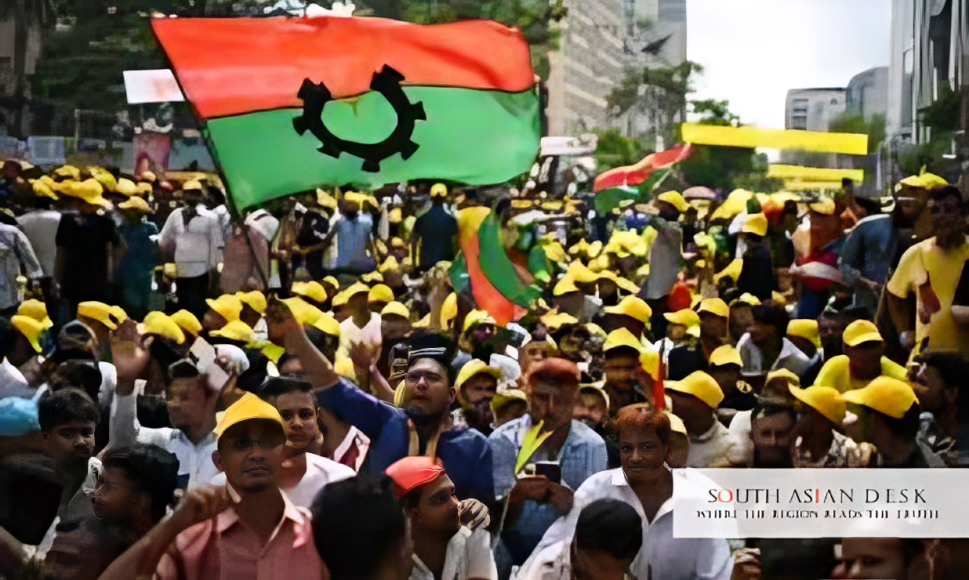
The BNP unveiled its ideological pivot at a Dhaka rally on 5 December 2025. Leaders invoked the 1971 Liberation War’s secular ethos to rally 50,000 supporters. Tarique Rahman, in a video address from London, stated: “We reclaim the blood-soaked memory of 1971, not for division, but for unity under democracy.” This echoes the party’s aim to fill the centre-left void post-Hasina.
Reforms dominate the agenda. The interim government banned the Awami League on 8 May 2025, citing its role in 2024 protest deaths exceeding 1,200. BNP backs this, with Fakhrul declaring: “The fascist Awami League’s halt ensures prosecution of crimes against humanity.” Data from the Bangladesh Election Commission shows voter registration up 15% since August 2024, hitting 120 million eligible citizens.
Critics question the timing. Analysts note the party’s 2001-2006 coalition with Jamaat delivered economic gains, including 6% GDP growth. Now, BNP eyes youth demographics, 60% under 30 who drove the uprising.
The BNP Jamaat Split: Ideological Fault Lines Emerge
Tensions boiled over in November 2025. Jamaat demanded a referendum on the July Charter, a reform blueprint from uprising leaders. BNP softened its stance, favouring polls first. On 29 December 2024, BNP’s Ruhul Kabir Rizvi accused Jamaat of opportunism, likening it to corrupt business groups under Hasina.
The alliance, forged against Awami repression, crumbled on reform pace. Jamaat’s Nayeb-e-Ameer Syed Abdullah Muhammad Taher called BNP’s position a “bow to power grabs.” Insiders report no formal dissolution, but public barbs signal end. This BNP Jamaat split fragments the opposition, potentially splitting votes in 300 constituencies.
Historical rifts fuel the divide. Jamaat opposed 1971 independence, a narrative BNP now flips to court liberals. Fakhrul cautioned: “Do not divide the country in the name of religion.” Polls by BRAC Institute predict BNP gaining 10% from ex-Awami voters, but losing 5% to Jamaat hardliners.
In Post-Hasina Bangladesh, this realignment tests inclusivity. Minorities, 13% of the population, fear Islamist sway. BNP’s pivot absorbs urban middle-class demands for accountability, mirroring India’s BJP moderation phases.
Impacts on Voter Coalitions
The split births new fronts. On 8 December 2025, 18 parties formed the National Democratic Front, excluding BNP and Jamaat. Jatiya Party factions lead, targeting 20% vote share. BNP dismisses it as fringe, focusing on solo campaigns.
Data underscores stakes. Unemployment hit 8.5% post-uprising, per Bangladesh Bureau of Statistics. BNP promises 5 million jobs via garment sector revival, leveraging EU trade pacts.
Post-Hasina Bangladesh: Reforms and Reckoning
Yunus’s interim regime, installed 5 August 2024, prioritises justice. Over 5,000 Awami officials face probes. The July Charter outlines 100 reforms, including electoral body overhaul. BNP endorses 80%, per party briefings.
Economic scars linger. Remittances fell 10% to USD 18 billion in 2025, World Bank data shows. Yunus pledges USD 5 billion in aid absorption by mid-2026.
Sheikh Hasina Exile Fuels Diplomatic Strain
Hasina, 78, fled to India on 5 August 2024 amid protests. A tribunal sentenced her to death on 17 November 2025 for crimes against humanity, including 2024 crackdowns. Tried in absentia, she termed it “rigged by an unelected government.”
Interim adviser Mohammad Touhid Hossain demanded extradition on 30 November 2025: “We expect repatriation at the earliest.” India examines the request, per its Ministry of External Affairs. This Sheikh Hasina exile complicates ties; border trade dipped 5% since.
Bangladesh media faces curbs. On 18 November 2025, authorities banned Hasina statements for security reasons. Her Awami League, proscribed, protests from exile networks.
In Post-Hasina Bangladesh, tribunals process 200 cases monthly. Human Rights Watch notes 300 arrests, but praises transparency.
Background: From Uprising to Polls
The 2024 student protests toppled Hasina after 15 years. Demands for quota reforms escalated into anti-corruption cries. Security forces killed 1,200, per UN estimates. Yunus assumed chief adviser role, delaying polls from December 2025 to February 2026 for reforms.
BNP, jailed under Hasina, released 10,000 leaders. Khaleda Zia, 80, remains hospitalised with critical health issues. Tarique Rahman, convicted in absentia, eyes return.
Jamaat, banned 2013-2024, regained status but lost BNP cover. Its 2025 rallies drew 100,000, demanding Sharia elements in the charter.
What’s Next for Bangladesh BNP Elections
As campaigns ramp up, BNP courts the National Citizen Party for liberal alliances. Referendum debates persist; Jamaat threatens sit-ins. Yunus vows free polls, with 50,000 observers from SAARC nations.
Success hinges on unity. A BNP win could stabilise South Asia’s garment hub, exporting USD 45 billion yearly. Yet the BNP Jamaat split and Sheikh Hasina exile linger as wild cards. In this pivotal race, Bangladesh BNP elections will define a moderate path forward or risk renewed turmoil.
Published in SouthAsianDesk, December 10th, 2025
Follow SouthAsianDesk on X, Instagram, and Facebook for insights on business and current affairs from across South Asia.