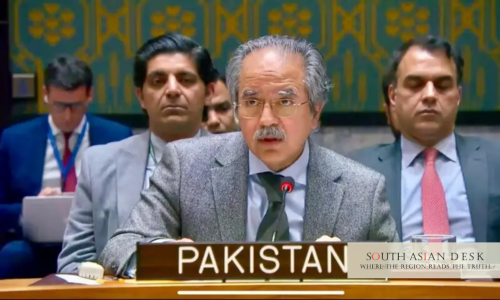
UNITED NATIONS – Pakistan warned the United Nations Security Council on Wednesday that the Pakistan Afghan terrorism threat from Afghan soil endangers national security and sovereignty. Ambassador Asim Iftikhar Ahmad delivered the briefing in New York at 4:35 PM. He cited over 1,200 deaths from such attacks this year alone. The statement urges Afghan authorities to dismantle safe havens for militants.
The Pakistan Afghan terrorism threat escalates tensions in South Asia. It fuels border clashes and displaces communities. Pakistan’s counter-terrorism operations have neutralised 214 militants since 2022. This surge undermines regional stability and trade routes vital for millions.
TTP Safe Haven Afghanistan Fuels Cross-Border Attacks
Ambassador Ahmad detailed the TTP safe haven Afghanistan provides to banned groups. “Afghanistan is once again a safe sanctuary for terrorist groups and proxies,” he stated. The Tehreek-i-Taliban Pakistan (TTP) operates with impunity near the border. UN reports confirm TTP’s 6,000 fighters receive logistical support from Taliban elements.
Pakistan thwarted multiple infiltration bids by TTP and Baloch Liberation Army (BLA) terrorists. Security forces seized military-grade weapons that the international troops had abandoned. These arms now reach TTP’s hands. Ahmad highlighted joint training and coordinated strikes against Pakistan.
The UNSC press statement demands that Afghanistan halt terrorist sheltering. It reaffirms that no territory should host attacks on neighbours. Pakistan’s envoy called for the UN Assistance Mission in Afghanistan (UNAMA) to assess border security objectively. Cross-border terrorism drives most clashes, he added.
Data shows TTP launched 600 attacks in Khyber Pakhtunkhwa this year. These killed security personnel and civilians. The group collaborates with Al-Qaeda and the Majeed Brigade. Evidence suggests that regional spoilers are providing financial and technical aid.
Pakistan UNSC Afghan Terror Briefing Exposes Safe Havens
During the Pakistan UNSC Afghan terror briefing, Ahmad urged global action. “Elements within the Taliban rank and file support these groups,” he said. Afghan authorities fail to curb operations despite commitments. The international community must exert pressure on Kabul to ensure compliance.
UNAMA reports note persistent threats from ISIL-Khorasan and affiliates. Pakistan hosted 5 million Afghan refugees for decades at high cost. Yet, it faces blowback from unchecked militancy. Ahmad praised the quadrilateral talks with China, Iran, and Russia for their result-oriented engagement.
The Security Council extended the mandate of UNAMA to March 2026. Resolution 2777 stresses counter-terrorism coordination. It demands the elimination of groups like TTP. Pakistan’s efforts include high-level visits to Kabul and facilitating humanitarian aid.
Refugee returns strain both nations. Over 700,000 Afghans repatriated from Pakistan and Iran this year. Many face dire conditions. The Pakistan Afghan terrorism threat complicates aid delivery and economic revival.
Cross-Border Terrorism Pakistan Afghanistan Strains Relations
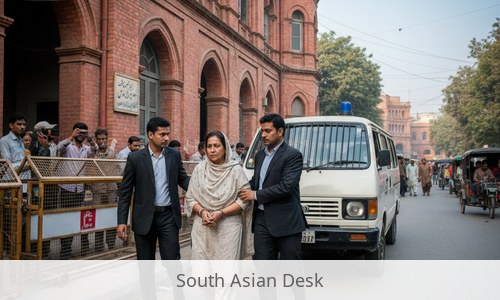
Cross-border terrorism in Pakistan and Afghanistan manifests in direct attacks. A recent passenger train assault saw terrorists coordinate from Afghan handlers. Pakistan condemned such incidents at the UNSC. The Taliban tolerates TTP, BLA, and others, per Ahmad.
Border closures disrupt trade. Afghanistan relies heavily on Pakistani routes for essential goods. India raised “trade and transit terrorism” concerns at the UNSC, noting civilian impacts. Farmers and families suffer from halted harvests.
Pakistan urges sanctions on BLA and Majeed Brigade via the 1267 Committee. The US already lists them. Joint frameworks could neutralise threats, but trust deficits persist. TTP evades capture using Afghan soil.
UN experts demand Afghanistan end safe havens. The General Assembly resolution calls for no terrorist activity from its territory. Pakistan advocates sustained engagement with clear objectives.
Background: Pakistan’s Long Counter-Terrorism Fight
Pakistan engaged with the IMF, no, wait, Pakistan’s UN ties date back to 1947. It joined 23 IMF programs, but its focus is on security. Since 2001, it has lost 80,000 lives to militancy. The TTP emerged post-2007, targeting state symbols.
The 2021 Taliban takeover revived threats. TTP relocated fighters to Afghanistan. Attacks surged 50 per cent in 2022. Pakistan conducted operations like Zarb-e-Azb, dismantling networks. Yet, cross-border flows persist.
Bilateral mechanisms, such as the Afghanistan-Pakistan Action Plan for Peace, faltered. Recent airstrikes killed militants but drew condemnation. UNAMA mediated ceasefires, but violations continue.
Economic costs mount. Militancy deters investment in border regions. Remittances from Afghan trade declined by 20 percent amid closures.
What’s Next: Diplomatic Push Against Pakistan’s Afghan Terrorism Threat
Upcoming Doha talks aim to address core issues. Pakistan pushes for the dismantlement of the TTP and inclusive governance in Afghanistan. The UNSC monitors compliance quarterly.
Bilateral intelligence sharing could intensify. Regional forums like SCO offer platforms. Aid conditions tied to counter-terror progress.
The Pakistan Afghan terrorism threat demands unified resolve. Regional powers must prioritise the elimination of safe havens for lasting peace.
Published in SouthAsianDesk, December 11th, 2025
Follow SouthAsianDesk on X, Instagram, and Facebook for insights on business and current affairs from across South Asia.