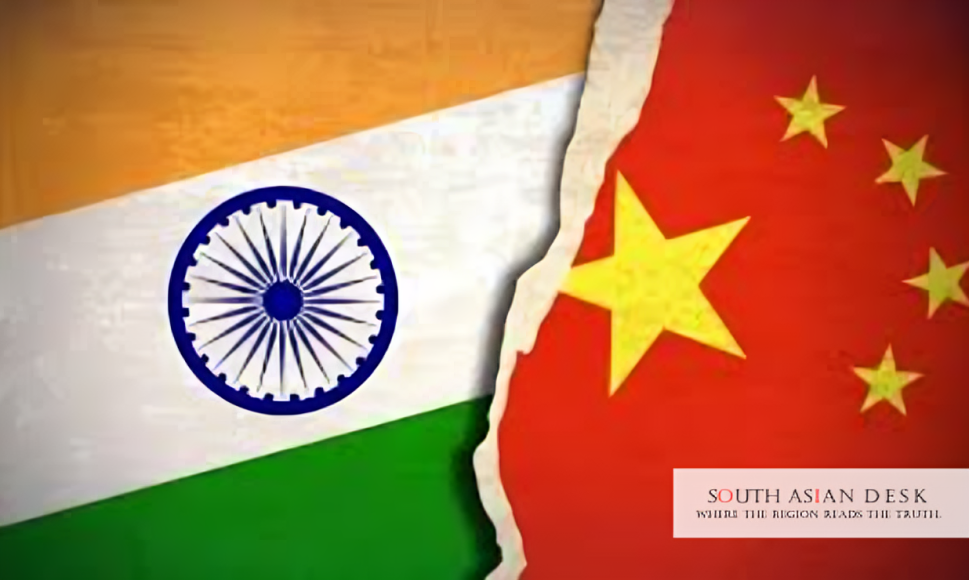
India eases Chinese Business Visas, cutting processing to four weeks and removing extra checks, officials said. This step aims to revive economic links strained since a 2020 border clash. The move follows Prime Minister Narendra Modi’s landmark visit to China this year.
India’s decision to ease Chinese business visas comes as New Delhi seeks to attract foreign investment amid global trade shifts. The policy shift resolves long-standing delays that cost Indian firms billions in lost production. For South Asia, it signals a thaw in India-China relations that could stabilise regional supply chains and reduce tensions spilling over borders.
The Ministry of External Affairs confirmed in November that the visa regime for Chinese nationals operates fully for tourism and business purposes. This latest adjustment targets professionals in key sectors like electronics and solar energy. Officials noted the change removes a post-2020 layer of scrutiny involving multiple ministries.
“We have removed the layer of administrative vetting and are processing the business visas within four weeks,” one official told Reuters. This addresses chronic backlogs that hindered Chinese engineers and technicians from joining Indian projects.
China‘s foreign ministry welcomed the development. Spokesperson Guo Jiakun stated: “China is willing to maintain communication and consultation with India to continuously enhance the level of facilitation of exchanges.” Beijing views the easing as mutually beneficial for trade flows.
India Eases Chinese Business Visas to Revive Sectors
The policy targets Chinese professionals India visa needs most urgently. Indian electronics makers faced acute shortages after 2020 restrictions blocked imports of specialised machinery from China. The Observer Research Foundation estimates $15 billion in production losses over four years for mobile phone assembly alone.
Pankaj Mohindroo, head of the Indian Cellular and Electronics Association, praised the move. “We welcome the government’s decision to expedite skilled-visa approvals for professionals from land-bordering countries. This reflects a collaborative approach and the government’s acceptance of our recommendations,” he said.
Companies like Xiaomi, a major player in India’s smartphone market, stand to gain. Delays previously stalled expansion plans and caused component shortages. In the solar industry, the lack of Chinese technicians slowed installations critical for India’s green energy goals.
A high-level committee, led by former cabinet secretary Rajiv Gauba, reviews broader investment curbs on China. This group pushes for fewer restrictions to lure firms diversifying from high-tariff zones. Direct flights between India and China resumed in late October 2025, the first since the pandemic and border skirmishes.
The visa easing fits into a wider recalibration of India China ties 2025. United States tariffs – 50% on Indian goods and 25% penalties for Russian oil purchases – prompted New Delhi to strengthen alternative partnerships. India cut consumption taxes and relaxed labour laws to draw investors, with China as a priority.
Modi China Visit 2025 Signals Deeper India China Ties 2025
Prime Minister Modi’s trip to China earlier this year marked his first in seven years. He met President Xi Jinping to chart a path for improved bilateral relations. Discussions covered border management, trade imbalances, and people-to-people contacts.
The visit yielded commitments to resume direct flights and explore visa simplifications. It set the stage for today’s announcement on Chinese professionals India visa processes. Analysts see this as pragmatic diplomacy, balancing security concerns with economic imperatives.
In South Asia, the thaw eases pressures on neighbours. Pakistan, with its own China ties via the Belt and Road Initiative, watches closely. Enhanced India-China cooperation could stabilise supply lines for regional exports, from textiles to tech components. Bangladesh and Sri Lanka, reliant on Chinese funding, may benefit from smoother cross-border labour mobility.
Yet challenges persist. India maintains scrutiny on sensitive technologies, ensuring no national security risks. The Gauba committee’s recommendations, expected soon, could unlock more Chinese direct investment, currently capped at low levels post-2020.
Background: From Border Clash to Cautious Re-engagement
Tensions peaked in mid-2020 with a deadly clash in the Himalayas, killing 20 Indian soldiers. New Delhi responded by banning Chinese apps, blocking investments, and tightening visas. Business entries required clearance from home, foreign, and trade ministries, often delaying approvals by months.
This regime disrupted $100 billion in annual bilateral trade. Chinese firms, including Huawei and Oppo, scaled back operations. Indian startups lost access to funding from Alibaba and Tencent. The solar sector, aiming for 500 gigawatts by 2030, suffered from skill gaps in photovoltaic assembly.
By early 2025, economic logic prevailed. Modi’s China visit in spring rebuilt dialogue tracks. Resumed flights carried 50,000 passengers monthly by November, per aviation data. Tourist visas flowed freely, with MEA confirming full functionality in a November 26 briefing.
Spokesperson Randhir Jaiswal told reporters: “Visas for tourists are being given to Chinese nationals and the regime is fully functional.” While that covered general business, today’s specifics on Chinese professionals India visa mark a targeted lift.
What’s Next for India China Ties 2025
Further easings loom. The Gauba panel proposes white-listing trusted Chinese firms for faster clearances. Trade talks aim to halve the $85 billion deficit through Indian agricultural exports.
Beijing plans an online visa portal for Indians from December 22, mirroring India’s steps. This reciprocity could double business travel by mid-2026. For Chinese professionals India visa holders, streamlined renewals may follow.
India eyes $50 billion in electronics exports by 2030, needing 100,000 skilled workers. Easing Chinese business visas fills half that gap short-term. Regional forums like SAARC could incorporate these gains, fostering South Asian economic corridors.
As one official put it: “We are cautiously easing some rules around restrictions on China, which, we hope, will improve the overall business environment.” This positions India as an open hub in a fragmented global order.
The policy underscores New Delhi’s bet on growth over grudges. India eases Chinese business visas not just for commerce, but to anchor stability in a volatile neighbourhood.
Published in SouthAsianDesk, December 12th, 2025
Follow SouthAsianDesk on X, Instagram, and Facebook for insights on business and current affairs from across South Asia.