Indigenous Singsa-Bhote community leaders filed a second writ petition in November 2025 at Nepal’s Supreme Court. They target the 63 MW Chhujung River Hydropower Project in the Lungbasamba region. The action challenges flawed environmental impact assessments and lack of consent. Construction began in 2021 and stands at 20% complete. A hearing follows on December 14, 2025. Petitioners seek project cancellation and an immediate halt.
This case spotlights Nepal hydropower indigenous rights amid a regional energy push. South Asia relies on Himalayan rivers for power. Yet, projects often displace communities and harm ecosystems. Nepal aims for 10,000 MW by 2030. Such disputes echo across borders, from India’s Narmada dams to Pakistan’s Kalabagh plans. They test balances between development and cultural survival. Failure to address grievances risks unrest and biodiversity loss in shared watersheds.
Writ Petition Nepal Hydropower Exposes EIA Shortcomings
Petitioners Dhenduk Dhoma Bhote, Lhakpa Tsering, and Lakpa Angjuk Bhote lead the effort. They represent villages of Ridak, Thudam, and Chyamtang in Sankhuwasabha district. The group includes 228 households. Lawyer Padam Bahadur Shrestha supports them. The original petition dates to 2024. No decision came then. Now, they refile amid advancing construction.
The writ petition Nepal hydropower focuses on the Environmental Impact Assessment (EIA). Critics call it inadequate. It covers just 20 hectares. Yet, the project spans 1,800 hectares. This gap omits key impacts. Officials at the Department of Electricity Development granted survey permission in 2021. That body falls under Nepal’s Ministry of Energy, Water Resources and Irrigation. The license allowed initial work. But petitioners claim no public hearings occurred in affected villages.
Dhenduk Dhoma Bhote stated, “The second writ petition was timely, given the increasing impacts from construction work on the community people, their lands and livelihoods.” He added, “We demand the project’s cancellation and halt construction activities that have operated under a flawed EIA. Villagers are worried and fear being displaced from their ancestral lands and forests, which they have long depended on for their livelihoods.”
Sangrila Urja Pvt Ltd develops the site. Chairperson Kishor Subedi defends progress. “There is no turning back after almost 20% of the work is completed, with 400 ropanis of land required for the project purchased from the government and millions spent on the construction.” On EIA issues, Subedi said, “Those were human errors and that the project, when completed, would do more good than harm to the community.”
The company paid compensation to some Chyamtang households. Rates hit USD 4,800 per ropani. Yet, Ridak and Thudam residents received none. Subedi claims their lands face no direct hit. Petitioners dispute this. They note forged signatures in consent forms.
Chhujung River Indigenous Opposition Roots in Livelihood Threats
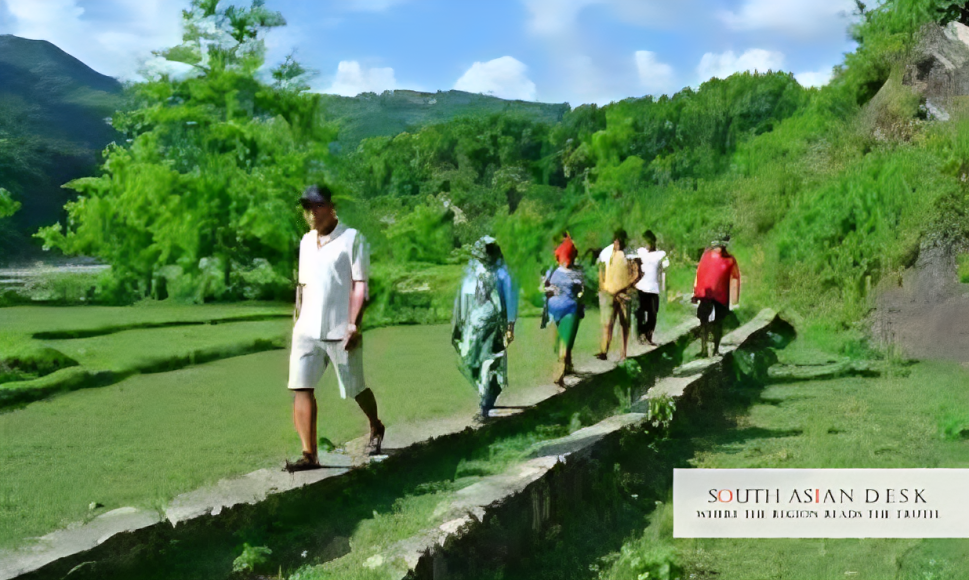
Chhujung River indigenous opposition stems from daily dependencies. The Singsa-Bhote people herd yaks nomadically. They graze near 26 glacial lakes from May to October. Milk yields cheese and trade goods. Furs ward off winter cold. Lhakpa Tsering, a 22-year-old herder from Thudam, explained, “Our ancestors have not known any other occupation than yak herding. If the company asks us to leave these pasturelands, I don’t know where our community will end up without the ancestral work.”
Agriculture sustains them too. They farm barley and potatoes. Forests provide medicinal herbs like padamchal, kutki, and jatamansi. Trade brings income. Construction felled 952 trees already. Protected species such as loth salla fell too. Petitioners fear full displacement. Lakpa Angjuk Bhote, secretary of Chyamtang-Kathmandu Welfare Society, said, “Our water resources and rivers nourish our lives and are sacred to us. We annually worship the deities in the Chhujung River and Changbu.”
The project uses Chhunjam River water without a separate EIA. This adds to grievances. Explosives total 192,000 tons. Detonators number 188,000. Blasts risk glacial lake outbursts. The area borders Makalu Barun National Park and Kanchenjunga Conservation Area. These sites host snow leopards, red pandas, and blue sheep. The EIA ignores these species.
Dhenduk Dhoma Bhote warned, “The rich forests where we collect the herbs from are under threat from construction. Once the project progresses, Ridak and Thudam are at risk of being displaced without any compensation.” Chhujung River indigenous opposition unites the community. They seek free, prior, and informed consent. Nepal’s constitution mandates this for indigenous groups.
Lungbasamba Environmental Threats Demand Urgent Action
Lungbasamba environmental threats extend beyond borders. The region sits in the Arun River basin. This feeds the Ganges system. Disruptions could affect downstream India and Bangladesh. Nepal’s hydropower boom adds 500 MW yearly. But experts flag climate risks. Glaciers melt faster. Lakes swell.
The EIA understates the footprint. It lists 20.3 hectares bought. Reality covers 90 times more. No wildlife survey included. Threatened species roam free: Asiatic black bears, Himalayan gorals, musk deer, and Himalayan monals. Deforestation invites floods in sacred Kachok forests.
Padam Bahadur Shrestha outlined demands. “The project’s cancellation and issuing an interim order to halt the ongoing construction activities are the major demands.” No halt issued yet. Work continues toward a 2028 finish. Subedi insists benefits outweigh harms. “The company has paid about $4800 per ropani of compensation to a few households in Chyamtang but denies the need to pay compensation to the rest of the two villages, as the project doesn’t impact their lands.”
Civil society amplifies calls. A September 2024 joint statement from FORUM-ASIA urged a halt. It cited fabricated EIA data by Sangrila Urja. The group demands accurate assessments and consultations. This aligns with UNDRIP standards. Nepal ratified it in 2007.
Government data from the Department of Electricity Development shows over 100 hydropower licenses active. Few face such scrutiny. Lungbasamba environmental threats highlight gaps in oversight.
Background
Nepal hydropower indigenous rights trace to post-1990 democratisation. The 2015 constitution protects ethnic groups. Yet, 80% of projects lack full FPIC. The Lungbasamba case revives 2024 debates. Then, Leonardo DiCaprio backed opposition via social media. It drew global eyes. Similar fights rage in Bhutan and Myanmar.
What’s Next
The Supreme Court decides on December 14, 2025. An interim order could pause work. Full judgment may follow soon. Communities watch closely. Nepal hydropower indigenous rights hang in balance. Outcomes could reshape regional policy.
Published in SouthAsianDesk, December 13th, 2025
Follow SouthAsianDesk on X, Instagram, and Facebook for insights on business and current affairs from across South Asia.