Islamabad, Sunday, December 14, 2025 – Pakistan’s finance ministry has rejected claims that 11 structural new benchmarks added under the ongoing International Monetary Fund programme represent new or abrupt conditions. A spokesperson described them as continuity of agreed reforms.
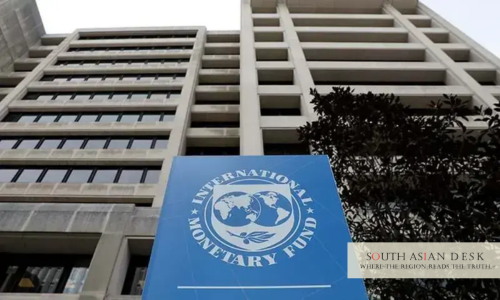
The clarification follows media reports highlighting the benchmarks in IMF documents after the second review of the $7 billion Extended Fund Facility (EFF). The IMF Executive Board approved the review on December 9, releasing about $1.2 billion, including funds from the Resilience and Sustainability Facility.
The ministry stressed that the measures build on prior commitments. Many originate from government initiatives incorporated into the Memorandum of Economic and Financial Policies.
IMF Conditions Pakistan Finance Ministry: Phased Reform Approach
The finance ministry issued a detailed press release on Sunday. It explained that the EFF supports medium-term structural reforms implemented in steps.
“These reforms are implemented in a sequenced and step-by-step manner over the duration of the programme,” the release stated. Each review incorporates additional measures to achieve initial objectives.
The spokesperson added that many benchmarks are derived from reforms already initiated by the government. They are not externally imposed.
This approach addresses misinterpretations of the 11 benchmarks as sudden demands. Reports had linked them to revenue shortfalls and potential additional tax measures.
Pakistan IMF Structural New Benchmarks: Details and Continuity
The ministry provided context for each benchmark. Public disclosure of civil servants’ asset declarations has continued since the initial EFF agreement in 2024. It follows legislative amendments to the Civil Servants Act, 1973. Strengthening the National Accountability Bureau aligns with earlier commitments on anti-corruption coordination and cooperation.
Empowering provincial anti-corruption bodies with financial intelligence supports ongoing anti-money laundering reforms, which have been integral to the EFF since its inception. Efforts to boost remittances build on government and State Bank of Pakistan actions. Remittances rose 26 per cent year-on-year from FY24 to FY25.
A study on local currency bond market bottlenecks formalises a May 2025 IMF staff recommendation. Sugar industry deregulation stems from a task force appointed by the prime minister. The Federal Board of Revenue’s roadmap advances domestic resource mobilisation, led by the Prime Minister.
A medium-term tax reform strategy extends the new Tax Policy Office. Power distribution company privatisation proceeds in phases, as planned from the start. Regulatory amendments to the Companies Act and Special Economic Zones Act improve the business climate. Contingency measures for revenue shortfalls were outlined in the May 2024 MEFP.
No New IMF Conditions Pakistan: Economic Context
The IMF completed the second EFF review and the first review of the Resilience and Sustainability Facility on December 8. It commended strong implementation despite floods.
Pakistan achieved a primary surplus and current account surplus in FY25. Reserves reached higher levels. Growth projections stand at around 3 per cent for FY26, with inflation expected to moderate. The programme aims to entrench stability, reform state-owned enterprises, and build climate resilience.
Background
Pakistan entered the 37-month EFF in 2024 to address structural challenges. Total access reaches $7 billion, supplemented by the Resilience and Sustainability Facility. Prior reviews released funds totalling over $3 billion before the latest tranche. Reforms focus on fiscal consolidation, energy viability, and governance.
What’s Next
The government plans to continue phased implementation. Upcoming reviews will assess progress on benchmarks. Sustained reforms remain key to unlocking further disbursements and achieving medium-term stability under the Pakistan IMF’s new benchmarks framework.
Published in SouthAsianDesk, December 14th, 2025
Follow SouthAsianDesk on X, Instagram, and Facebook for insights on business and current affairs from across South Asia.