Thousands of Afghanistan returnees in makeshift camps outside Kabul have urged the Islamic Emirate for immediate winter support, as sub-zero temperatures threaten lives amid ongoing deportations from Pakistan and Iran. Over 2.5 million have returned this year, many under duress, with aid gaps widening.
The pleas highlight a deepening humanitarian crisis in South Asia, where mass returns strain Afghanistan’s fragile economy and inflame border tensions with neighbours. Pakistan’s deportation drives and Iran’s economic pressures have funnelled vulnerable families back, exacerbating poverty and food insecurity across the region. This surge risks spillover effects, from heightened migration pressures on India and Bangladesh to diplomatic frictions that could disrupt trade corridors vital for regional stability.
Returnees Urge Islamic Emirate Winter Support in Desperate Camps
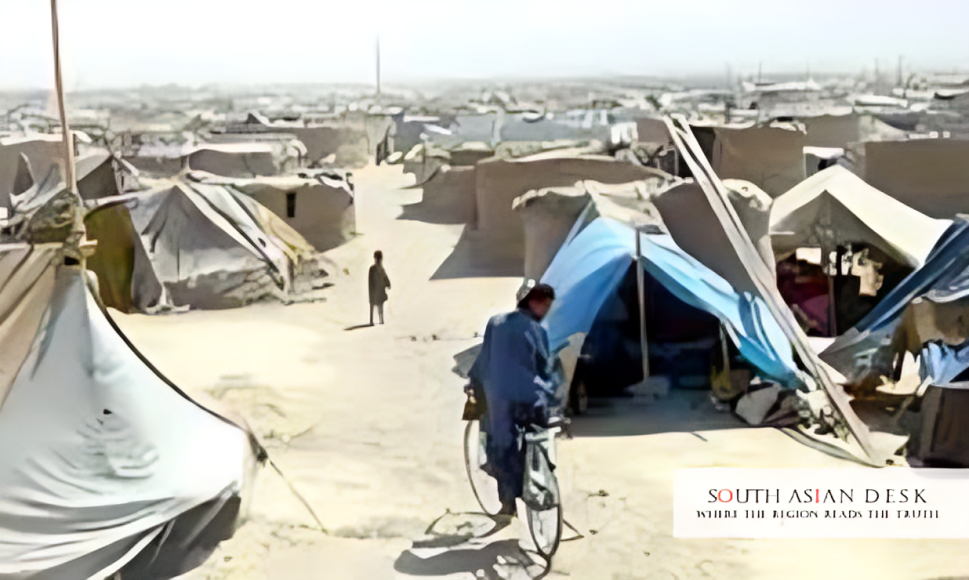
Afghanistan returnees gathered in camps near Kabul on Monday voiced urgent demands for shelter, fuel and food as winter grips the country. One returnee, speaking from a tent in the Nasir Bagh camp extension, said, “We were expelled. That country was foreign. Now we’ve returned to our homeland and I call on the Islamic Emirate to support us.” The statement, echoed by dozens, underscores the raw vulnerability of families who fled Taliban rule only to face forced repatriation.
Data from the United Nations High Commissioner for Refugees (UNHCR) reveals the scale: nearly 2.5 million Afghans returned from Iran and Pakistan in 2025 alone, a six per cent rise from prior years. Of these, over 450,000 arrived in the past month, many via Torkham and Spin Boldak border points. UNHCR’s emergency update from October notes that 40 per cent of returnees are women and children, with 70 per cent lacking basic shelter upon arrival.
In response, the Islamic Emirate’s Ministry of Refugees and Repatriation issued a statement last week. Acting Minister Abdul Kabir told reporters in Kabul that the approaching winter has worsened difficulties for returning migrants. “The Islamic Emirate is committed to providing comprehensive support to returning immigrants,” the ministry’s press release stated, pledging distribution of 50,000 winter kits including blankets and heaters. However, aid officials question the pace, citing distribution delays in northern provinces where snow has already fallen.
Local camp coordinators report that Afghanistan returnees face acute shortages. In one camp housing 3,500 people, residents queued for hours on Monday for meagre rations. A mother of four, recently deported from Pakistan, described conditions: “Our tent leaks. Without fuel, we burn scrap wood. Children cough all night.” Such accounts align with UNHCR field reports, which document a 25 per cent spike in respiratory illnesses among returnees since November.
Afghan Deportees Seek Camp Aid Amid Border Clashes
The influx of Afghan deportees seeking camp aid stems directly from escalated enforcement in host countries. Pakistan’s government extended a grace period for Afghan refugees until March 2025 but began mass deportations in November, citing security concerns. Iranian authorities, grappling with sanctions, have repatriated over 1.2 million Afghans this year, per Tehran’s interior ministry data.
At the Torkham crossing, clashes erupted last week between Afghan border guards and Pakistani forces, halting returns for two days. This incident, reported by Ariana News, left 200 Afghan deportees stranded in no-man’s land, exposed to freezing winds. “We seek only safety in our camps,” one deportee told journalists upon crossing. The Islamic Emirate condemned the “unjust expulsions,” with Foreign Ministry spokesman Abdul Qahar Balkhi stating in a press briefing, “Pakistan’s actions violate humanitarian norms and strain bilateral ties.”
UNHCR’s operational data portal tracks these movements weekly. From April to December 2025, the agency assisted 842,429 voluntary and forced returns, providing cash grants averaging USD 300 per family. Yet, funding shortfalls persist: only 45 per cent of the USD 350 million appeal for Afghan returns has materialised. In camps, this translates to ration cuts, families now receive 1,800 calories daily, below survival thresholds.
Experts warn that without scaled-up camp aid, malnutrition rates could double by spring. The World Food Programme, partnering with UNHCR, reports that 60 per cent of Afghanistan returnees are food insecure, a figure up 15 per cent from 2024. Distribution centres in Kabul and Kandahar buzz with activity, but volunteers say supplies dwindle by midday.
Taliban Winter Assistance for Returnees: Pledges Versus Reality
Taliban winter assistance for returnees forms a cornerstone of the Islamic Emirate’s repatriation policy. In a November 26 statement, Abdul Kabir outlined plans to shelter 100,000 families in temporary housing by January. “We stand ready to extend necessary aid,” the release affirmed, detailing allocations of PKR 500 million (equivalent to USD 1.8 million) for fuel subsidies.
On the ground, implementation lags. A UNHCR assessment in Herat province found that only 30 per cent of promised heaters reached camps by early December. Returnees urge Islamic Emirate winter support more vocally, organising petitions signed by 5,000 residents. One camp leader submitted a formal request to the ministry on Friday, demanding priority for elderly and disabled deportees.
Regional dynamics amplify the urgency. India’s border states report increased Afghan migrant flows, while Bangladesh shelters 10,000 overflow cases. South Asian diplomats, meeting in Islamabad last week, discussed joint aid corridors, but progress stalls over Taliban recognition disputes.
Background: Surge in Returns Reshapes Regional Borders
The current wave of Afghanistan returnees traces to 2021’s Taliban takeover, which displaced 6.5 million Afghans internally and abroad. Pakistan hosted 1.4 million registered refugees; Iran, 3.5 million undocumented. Post-2023 decrees, deportations accelerated, Pakistan repatriated 500,000 by mid-2025, Iran 800,000.
UNHCR’s September update projects 3 million total returns by year-end, driven by economic collapse in Afghanistan, where GDP contracted 12 per cent. Camps, once temporary, now house 150,000 long-term, with makeshift schools and clinics straining under demand.
What’s Next: Aid Escalation or Crisis Deepening?
As snow blankets northern Afghanistan, international donors eye a January conference in Geneva to boost funding. The Islamic Emirate has invited envoys, signalling openness to apolitical aid. Yet, returnees in camps warn that without swift Taliban winter assistance for returnees, survival hangs by a thread. For 2.5 million Afghanistan returnees, the coming months will test regional resolve and redefine South Asia’s humanitarian fault lines.
Published in SouthAsianDesk, December 15th, 2025
Follow SouthAsianDesk on X, Instagram, and Facebook for insights on business and current affairs from across South Asia.