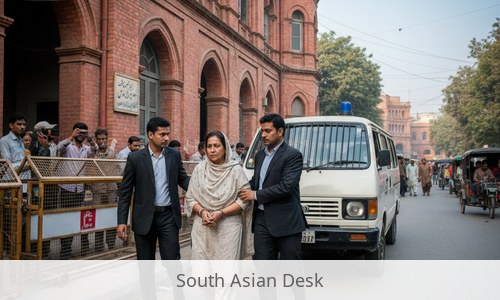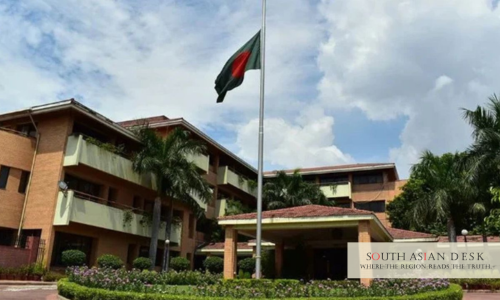
Bangladesh rejects India’s misleading propaganda claim concerning a protest outside its high commission in Delhi on December 20, 2025. Around 20-25 youths gathered to demonstrate against the lynching of Dipu Chandra Das, a Hindu garment worker killed in Mymensingh. Dhaka described the incident as highly regrettable, while India insisted the brief gathering posed no security threat.
The protest outside Bangladesh High Commission in Delhi highlighted outrage over Das’s death on December 18. A mob accused him of blasphemy, beat him severely, and set his body on fire after tying it to a tree. Bangladesh authorities arrested at least 10-12 suspects, including factory colleagues, who were allegedly involved.
India-Bangladesh Diplomatic Row Intensifies
India’s Ministry of External Affairs rejected reports in Bangladeshi media as misleading propaganda. Spokesperson Randhir Jaiswal stated the protesters raised slogans demanding justice for the horrendous killing of Dipu Chandra Das and protection for minorities in Bangladesh.
“There was no attempt to breach the fence or create a security situation at any time,” Jaiswal noted. Police dispersed the group within minutes. Visual evidence confirms the peaceful nature of the event.
India reiterated its obligations under the Vienna Convention to protect foreign missions. Officials continue to monitor minority safety in Bangladesh and have urged swift justice for perpetrators.
Bangladesh’s Ministry of Foreign Affairs responded strongly. It called the incident unjustifiable and highly regrettable. Protesters conducted activities right outside the high commission perimeter without advance notice, causing panic among staff.
Dhaka rejected India’s portrayal of Das’s killing as part of systematic minority attacks. Authorities emphasized that the incident was isolated. Suspects were apprehended rapidly. Communal harmony in Bangladesh remains relatively stable.
Foreign affairs adviser Md Touhid Hossain questioned how protesters accessed the secured diplomatic enclave. He described India’s statement as oversimplified and rejected suggestions of security lapses on the part of Dhaka.
Dipu Chandra Das Killing Protest Raises Alarms
Dipu Chandra Das, aged 25-27, worked at a garment factory in Bhaluka, Mymensingh. Reports indicate a dispute with colleagues escalated over alleged derogatory remarks. Factory officials reportedly forced his resignation before handing him to the mob.
The mob beat Das to death, tied his body to a tree, poured kerosene, and set it ablaze. They later moved the remains to the Dhaka-Mymensingh highway and burned it again, disrupting traffic.
Police recovered the body and sent it for autopsy at Mymensingh Medical College Hospital. Interim government chief Muhammad Yunus condemned the lynching. He assured no leniency for those responsible.
At least 10 arrests followed, including seven by the Rapid Action Battalion. Investigations reviewed CCTV footage and videos. No clear evidence supports the blasphemy allegations.
The Dipu Chandra Das killing protest in Delhi underscored persistent concerns over minority vulnerabilities amid Bangladesh’s unrest. India conveyed worries through diplomatic channels.
Background: Ongoing Strains in Bilateral Ties
India-Bangladesh diplomatic row reflects deeper challenges since Sheikh Hasina’s ouster last year. Dhaka seeks her extradition. New Delhi reviews requests carefully.
Recent violence in Bangladesh includes vandalism and attacks on institutions. Protests erupted after student leader Sharif Osman Bin Hadi’s death. Unrest affected media offices and diplomatic properties.
India raised alarms over minority safety multiple times. Bangladesh assures protection but views some concerns as exaggerated.
Both nations emphasise Vienna Convention obligations. Diplomatic missions must remain secure. Mutual sensitivities around minority rights persist.
The protest outside the Bangladesh High Commission in Delhi exemplifies how domestic incidents can spill into bilateral relations. Governments navigate protocol while addressing public outrage.
What’s Next about ‘Misleading Propaganda’
Diplomatic communications continue between capitals. Both sides monitor developments. Resolution requires addressing root causes, such as justice delivery and minority safeguards.
Bangladesh’s rejection of India’s misleading propaganda stance indicates lingering friction. Future ties depend on de-escalation and constructive dialogue.
Ongoing investigations into Dipu Chandra Das’s killing and protest-related issues may influence perceptions. Regional stability in South Asia hinges on effectively managing such disputes.
Published in SouthAsianDesk, December 22nd, 2025
Follow SouthAsianDesk on X, Instagram and Facebook for insights on business and current affairs from across South Asia.