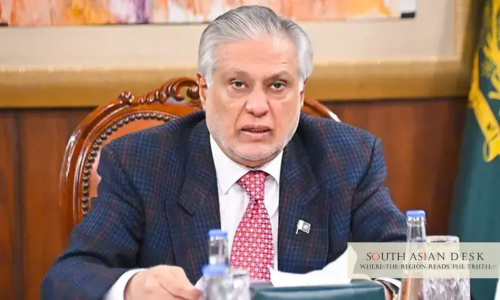
The Ishaq Dar-Iran-Turkiye talks took place on December 21, 2025. Deputy Prime Minister and Foreign Minister Senator Mohammad Ishaq Dar conducted separate phone conversations with Iran’s Seyyed Abbas Araghchi and Turkiye’s Hakan Fidan. During phone calls, foreign ministers covered bilateral relations, trade, connectivity, and key regional issues, including developments in Palestine and Gaza.
The discussions underscored Pakistan’s active diplomacy with close partners.
Pakistan Iran Bilateral Cooperation Advances
Pakistan Iran bilateral cooperation featured prominently in the call with Araghchi. Both leaders reviewed progress across various sectors. They expressed satisfaction with ongoing high-level exchanges.
Dar and Araghchi reaffirmed their commitment to enhancing trade, investment, and connectivity. People-to-people contacts also received emphasis. The Foreign Office highlighted mutual resolve to promote regional peace and development.
Pakistan and Iran maintain deep historic ties rooted in shared borders, culture, and faith. Recent years saw efforts to boost economic links despite external challenges. Border management and energy projects remain key areas of focus.
Both sides exchanged views on evolving regional situations. They agreed to maintain close coordination on matters of common interest.
Pakistan-Iran bilateral cooperation reflects a strategic alignment in multilateral forums. Joint initiatives support stability along the shared frontier.
The conversation was built on previous engagements. Leaders noted positive momentum in relations. Future mechanisms will facilitate implementation.
Gaza, Iran-Turkiye Talks Discussions Emphasise Solidarity
Pakistan, Türkiye, and Gaza discussions dominated the conversation with Fidan. The ministers shared detailed perspectives on the latest situation in Palestine and Gaza.
They discussed humanitarian concerns and pathways to lasting peace. Both nations reiterated strong support for Palestinian rights and an independent state.
Dar and Fidan reviewed the full spectrum of bilateral relations. Satisfaction emerged over growing political coordination and brotherly ties.
Turkiye and Pakistan enjoy robust defence, economic, and cultural partnerships. High-level visits and agreements regularly strengthen collaboration.
The call highlighted shared positions on global issues. Enhanced cooperation in trade, investment, and connectivity gained priority.
Pakistan Turkiye, and Gaza discussions align with joint efforts in international bodies. Both countries advocate for a ceasefire and the delivery of aid.
Coordinated diplomacy addresses ongoing crises. Solidarity with Palestine remains a cornerstone.
Dar Phone Calls Foreign Ministers Signal Proactive Engagement
Dar phone calls with foreign ministers demonstrate Pakistan’s outreach amid complex dynamics. The engagements build on recent diplomatic activity.
Pakistan positions itself as a bridge for dialogue in the Muslim world. Coordination with Iran and Turkiye supports broader stability goals.
Ishaq Dar’s Iran-Turkiye talks reflect continuity in foreign policy. Emphasis stays on economic integration and conflict resolution.
Such interactions occur regularly. They reinforce trust and mutual understanding.
Background: Deep-Rooted Alliances in Regional Context
Pakistan’s relations with Iran and Turkiye span decades. Fraternal bonds drive cooperation across domains.
With Iran, the focus includes border security mechanisms and trade corridors. Energy pipelines and rail links feature in long-term plans.
Turkiye provides strong defence ties through joint exercises and technology transfers. Cultural exchanges and tourism grow steadily.
Both relationships involve coordination on Afghanistan and counter-terrorism. Multilateral platforms, such as the OIC and ECO, facilitate engagement.
Recent global shifts prompt intensified consultations. Pakistan, Iran bilateral cooperation, and Pakistan-Turkiye-Gaza discussions address immediate and structural challenges.
Ishaq Dar’s Iran-Turkiye talks fit into this framework. They reinforce alliances vital to the stability of South Asia and West Asia.
Historical ties trace back to pre-partition eras. Shared values sustain partnerships through challenges.
What’s Next
Further high-level interactions appear likely. Implementation of the discussed areas will test momentum.
Trade volumes and connectivity projects may see advances. Regional peace efforts, particularly those related to Gaza, require sustained dialogue.
Diplomatic phone calls between foreign ministers lay the groundwork for potential visits or joint statements. Outcomes hinge on translating commitments into actions.
Multilateral meetings could provide additional platforms. Monitoring regional developments remains essential.
Ishaq Dar, Iran, and Turkiye talks highlight Pakistan’s role in fostering unity. Future developments will shape the trajectories of regional cooperation.
Ongoing coordination promises continued progress in bilateral and multilateral spheres.
Published in SouthAsianDesk, December 22nd, 2025
Follow SouthAsianDesk on X, Instagram and Facebook for insights on business and current affairs from across South Asia.