India water crisis intensified in 2025 as beverage giants like Heineken and Diageo grappled with groundwater shortages in Rajasthan. Government data shows national extraction at 247.22 billion cubic metres against 407.75 billion cubic metres extractable, highlighting risks for industries reliant on local water permits. This situation unfolded amid broader South Asian concerns over shared resources.
The crisis underscores vulnerabilities in India’s economy, the world’s fastest-growing major one. With 17 percent of global population but only 4 percent of freshwater, water scarcity in India affects agriculture, industry and millions in South Asia. Neighbouring countries share river basins, amplifying regional tensions over allocation.
Water Scarcity in India
Government assessments reveal stark realities. The Central Ground Water Board’s 2025 report pegs annual groundwater recharge at 448.52 billion cubic metres, up from 432 billion cubic metres in 2017. Yet extraction reached 247.22 billion cubic metres, yielding a national stage of extraction at 60.63 percent.
Over-exploited areas number 730 units, or 10.8 percent of 6762 assessed blocks. Critical units stand at 201, semi-critical at 758. Safe units dominate at 4946, or 73.14 percent. This marks improvement, with over-exploited units down from 17.2 percent in 2017.
Per capita availability is projected at 1341 cubic metres by 2025, nearing the scarcity threshold of 1000 cubic metres, per NITI Aayog. By 2050, it drops to 1140 cubic metres. About 820 million people in 12 river basins already face levels below 1000 cubic metres.
Urban stress compounds issues. Five of the world’s 20 most water-stressed cities are in India, with Delhi ranking second globally in 2015 data. Groundwater supplies 62 percent of irrigation, 85 percent of rural water and 45 percent of urban needs.
Initiatives address these. Jal Shakti Abhiyan has completed 1.21 crore conservation works in four years. Atal Bhujal Yojana targets 80 districts in seven states, including Rajasthan, with over 83000 structures rejuvenated. Jal Jeevan Mission provides tap water to over 15.72 crore rural homes as of October 2025.
Groundwater Depletion in India
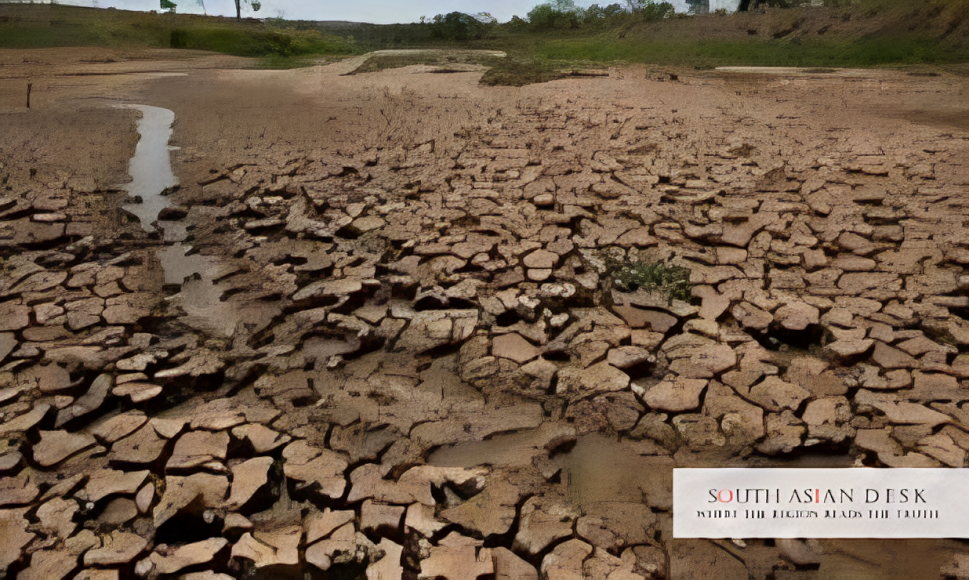
Groundwater depletion in India persists in pockets despite overall gains. In 2024, 54.4 percent of wells showed rising levels compared to 2019-2023 averages. But states like Haryana (136.75 percent extraction stage), Punjab (156.36 percent) and Rajasthan (147.11 percent) exceed 100 percent, signalling depletion.
Nationally, 52 percent of wells declined in pre-monsoon 2018 versus the prior decade. Over 20 million wells operate, with subsidised power aiding extraction. Contaminants like arsenic, fluoride and nitrate affect isolated areas.
Government measures include Per Drop More Crop for micro-irrigation since 2015. Mission Amrit Sarovar rejuvenated nearly 69000 water bodies. NAQUIM 2.0 maps stressed aquifers with advanced tech.
In Rajasthan, extraction hit 17.10 billion cubic metres against 11.62 billion cubic metres extractable in 2025. Safe groundwater blocks fell from 203 in 1984 to 37 in 2024. Contamination impacts 4.20 lakh households.
Rajasthan Water Crisis
Rajasthan exemplifies India’s water crisis. Two-thirds of the state lies in the Thar Desert. Annual rainfall averages 531 millimetres, half the national figure. Per capita availability stands at 500 cubic metres, projected to 450 cubic metres by 2050.
Surface water totals 25.38 billion cubic metres, plus 17.88 billion from inter-state pacts. But 80 percent of the area faces groundwater depletion. In 2024, extraction was 17.05 billion cubic metres versus 11.37 billion recharge.
In Alwar district, 150 kilometres southwest of Delhi, extraction nears twice the recharge rate, per government data. This industrial hub hosts beverage factories. Industry consumes 2 percent of Rajasthan’s water but faces scrutiny.
Beverage firms hold 2025 permits for up to 4.6 million litres daily in Alwar. Heineken draws 1.2 million litres; global players claim 65 percent share. Regulations mandate rainwater harvesting and recharge.
Local grievances mount. In Salpur village, residents queue for water and pay 150 rupees per hour for tankers. Farmer Imran Khan noted costs of 150000 rupees for a 3-kilometre pipeline. Haider Ali filed a court case alleging illegal extraction; a March directive ordered monitoring and barred new permits in over-exploited zones.
Companies respond. Diageo Alwar head Sumit Walia said: “The water tables are declining and rains are variable… We have a vision to reduce water consumption by 40 percent and to ensure… 100 percent replenishment… We are recycling 100 percent of the wastewater and installing advanced technologies which consume less water, like using air to rinse bottles instead of water.”
Heineken’s Sonia Thimmiah stated: “Water stress is a growing issue in India… a few years ago, water demand in some cities had come close to exceeding supply.”
Carlsberg’s Simon Boas Hoffmeyer added: “If everybody did that [replenish all water used], the industry’s share of the issue would be very, very small.”
Initiatives include Diageo’s dams, 10000 trees planted and boreholes in Salpur. Heineken partners with S M Sehgal Foundation; its partnerships lead Subhransu Kumar Bebarta noted: “They have improved the groundwater table. But still, there is always scope for more.”
State efforts feature Mukhya Mantri Jal Swavlamban Abhiyan, raising tables by 4.66 feet in 21 districts post-first phase. MJSA 2.0 budgets 11200 crore rupees to build 5 lakh structures in 20000 villages by 2030.
Modified Parbati-Kalisindh-Chambal project, at over 80000 crore rupees, transfers surplus to 17 districts for 2.82 lakh hectares irrigation.
Background of India Water Crisis
India’s water crisis roots in rapid growth and climate shifts. Demand rises with population and industry. Rajasthan’s desert terrain and erratic monsoons worsen local scarcity. Beverage laws bar cross-state sales without permits, forcing factories in stressed areas like Rajasthan.
Coca-Cola operates nine factories in high-stress zones, facing potential annual costs of 180000 to 2.7 million dollars for water. Coal power lost output due to shortages.
South Asian implications include shared Indus and Ganges basins, where depletion could strain Pakistan-India ties.
What’s Next
Rajasthan targets 100 percent tap water by 2028 under Jal Jeevan Mission. Groundwater extraction aims below 125 percent by 2030. Companies pledge 100 percent replenishment.
Monitoring intensifies post-court orders. India’s water crisis demands sustained action to avert broader shortages by 2050.
India’s water crisis remains a pressing challenge for sustainable development.
Published in SouthAsianDesk, December 27th, 2025
Follow SouthAsianDesk on X, Instagram and Facebook for insights on business and current affairs from across South Asia.