18 percent increase in detentions and Afghan arrests in Pakistan, during the first half of January 2026, according to a joint UNHCR-IOM report. The figure rose to 1726 individuals between 4 and 10 January, amid intensified enforcement of repatriation measures.
This 18 percent increase in detentions underscores the ongoing implementation of Pakistan’s Illegal Foreigners’ Repatriation Plan. In South Asia, where cross-border migration remains a sensitive issue, these developments affect humanitarian conditions, bilateral relations between Pakistan and Afghanistan, and regional stability.
18% Increase in Detentions Amid Afghan Arrests in Pakistan
The UN IOM report on Afghans highlights a significant uptick in enforcement actions. From 4 to 10 January 2026, authorities arrested and detained 1726 Afghan nationals, marking an 18 percent rise compared with the previous reporting period.
Among those detained, 87 percent held Afghan Citizen Cards or were undocumented. The remaining 13 percent possessed Proof of Registration (PoR) cards.
Geographically, 73 percent of the cases occurred in Balochistan province. Another 16 percent took place in the Islamabad Capital Territory.
Key districts included Chaghi and Pishin in Balochistan, as well as Islamabad. These locations reflect concentrated enforcement in border and urban areas.
This surge in Afghan arrests in Pakistan aligns with government directives under the repatriation plan targeting undocumented individuals and certain cardholders.
UN IOM Report on Afghans Details Migration Flows
The joint UNHCR-IOM Flash Update provides detailed insights into current trends. Between 1 and 10 January 2026, a total of 25757 Afghans returned to Afghanistan through official border crossings, including Torkham, Ghulam Khan, Chaman, Badini, and Bahramcha.
Among returnees from 4 to 10 January, 61 percent held PoR cards, 29 percent were undocumented, and 10 percent possessed Afghan Citizen Cards.
A separate IOM update covering 21 December 2025 to 3 January 2026 recorded a 17 percent decrease in overall returns from Pakistan, with daily averages dropping to 2683 individuals.
However, returns via the Torkham border crossing increased by 8 percent during the same period.
These patterns illustrate the fluctuating nature of Pakistan-Afghan deportations.
Pakistan Afghan Deportations and Broader Context
Pakistan-Afghan deportations continue under a phased approach. The second phase, launched in April 2025, targeted Afghan Citizen Card holders and undocumented individuals.
A Statutory Regulation Order issued in July 2025 extended measures to PoR cardholders following the expiry of their documentation on 30 June 2025.
By 1 September 2025, PoR holders faced a final deadline to depart or risk deportation.
Earlier directives in January 2025 required Afghan nationals in Islamabad and Rawalpindi to relocate or face expulsion.
According to the International Federation of Red Cross and Red Crescent Societies (IFRC), over 5.2 million Afghans returned from Iran and Pakistan between January and November 2025. Of these, 3.6 million originated from Iran, including 1.2 million deportees, while the majority of the remainder came from Pakistan.
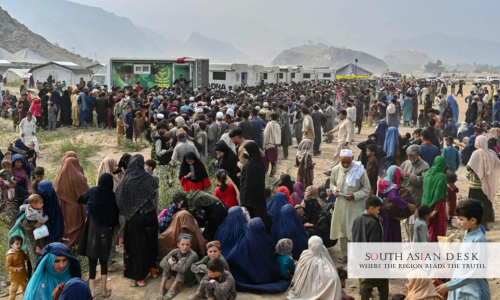
The large-scale returns place significant strain on Afghanistan’s border provinces, including Nangarhar and Kandahar, where services and infrastructure face severe pressure.
Returnees frequently arrive with limited resources, increasing vulnerability to malnutrition, shelter shortages, and protection risks, particularly among women, children, and the elderly.
Background
Pakistan has historically hosted millions of Afghan refugees due to decades of conflict in Afghanistan. Registration programmes issued PoR and Afghan Citizen Cards to provide legal stay options.
The Illegal Foreigners’ Repatriation Plan, announced on 26 September 2023, sought to address undocumented migration and expired documentation.
Implementation has progressed in phases, with accelerated returns observed in late 2025.
Crossings primarily occur at Torkham and Spin Boldak, with smaller flows at Angur Ada and unofficial routes in Helmand province.
UNHCR and IOM continue to monitor movements to evaluate protection needs and track patterns.
Cumulative data since September 2023 shows 1517051 voluntary or facilitated returns and 245514 deportations.
What’s Next
Authorities and international organisations will closely monitor enforcement trends. Future updates from UNHCR and IOM will track arrest figures, return volumes, and any policy shifts.
Bilateral discussions between Pakistan and Afghanistan may influence the pace and approach of repatriation efforts.
Humanitarian support in Afghanistan is likely to expand to address the needs of returning populations.
The continued rise in Afghan arrests in Pakistan highlights the complex balance between immigration enforcement and humanitarian considerations in the region.
Published in SouthAsianDesk, January 17th, 2026
Follow SouthAsianDesk on X, Instagram and Facebook for insights on business and current affairs from across South Asia.