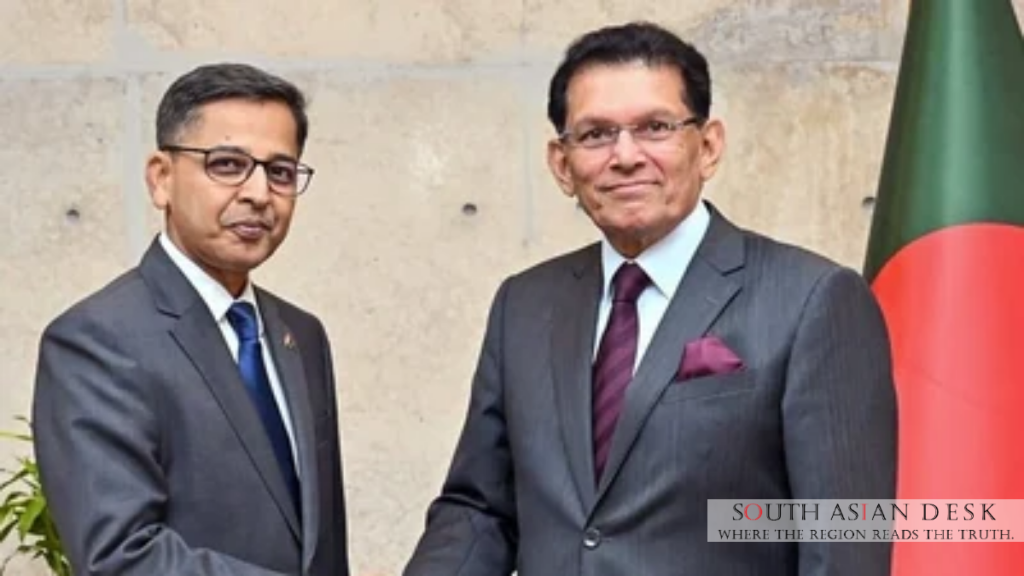
Kabul – An Afghan delegation comprising 50 members including traders left for Bangladesh on January 18, 2026. Led by Deputy Minister of Industry and Commerce Mawlawi Ahmadullah Zahid, the group aims to discuss trade expansion and potential agreements. The visit seeks to identify export opportunities for Afghan products and foster economic cooperation.
This initiative highlights Afghanistan’s efforts to diversify trade partners in South Asia. With border closures affecting routes through Pakistan, such moves could reduce dependency on traditional transit paths and promote regional stability through economic links.
Afghan Delegation Bangladesh: Objectives and Composition
The Afghan delegation Bangladesh includes officials from the Ministry of Industry and Commerce alongside national traders. Ministry statements outline the agenda as focusing on bilateral trade relations between Afghanistan and Bangladesh.
Key discussions will cover expansion of commerce, facilitation of exports and imports, and joint investment opportunities. The delegation plans to review signing memorandums of understanding and other agreements to strengthen ties.
Ministry announcements emphasise identifying new markets for Afghan traders. This includes increasing export opportunities for domestic products like fruits, nuts, and handicrafts. Enhanced regional economic cooperation forms a core goal.
Afghanistan Trade Bangladesh: Amid Regional Tensions
Afghanistan trade Bangladesh gains urgency due to ongoing disruptions with neighbouring Pakistan. Border crossings have remained closed for over three months, impacting supplies of food, medicines, and essentials. This has led to price hikes and economic pressures in Afghanistan.
Pakistan serves as Afghanistan’s primary transit route for international trade. The closures stem from tensions between Islamabad and Kabul authorities. In response, Afghan officials seek alternative partnerships to mitigate reliance on single routes.
Bangladesh offers potential as a growing market in South Asia. Current trade volumes between Afghanistan and Bangladesh remain modest, estimated at under USD 50 million annually based on recent data. The visit could elevate this through targeted agreements.
Taliban Bangladesh Trade: Ministry-Led Initiative
Taliban Bangladesh trade efforts underscore the interim government’s focus on economic revival. The Ministry of Industry and Commerce leads such delegations to build international connections.
Deputy Minister Zahid heads the group, supported by traders representing various sectors. Statements from the ministry describe the trip as a step to expand commerce and facilitate smoother exports and imports.
No public comments have emerged from Bangladeshi officials on the visit. However, the agenda aligns with Bangladesh’s interest in regional trade amid its own economic growth.
Background
Afghanistan and Bangladesh maintain diplomatic relations, though economic ties have been limited historically. Afghanistan exports primarily agricultural goods and imports textiles and pharmaceuticals from Bangladesh.
Since 2021, Afghanistan has pursued trade diversification amid global isolation challenges. Previous delegations have visited countries like Iran, Uzbekistan, and India to secure alternative routes and markets.
Pakistan border issues began escalating in late 2025, with closures affecting key points like Torkham and Chaman. This has prompted Afghan authorities to explore South Asian options, including Bangladesh, for sustained growth.
Trade data from 2025 shows Afghanistan’s total exports at around USD 1.5 billion, with imports exceeding USD 7 billion. Diversifying partners could help balance this deficit.
What’s Next
The Afghan delegation will hold meetings with Bangladeshi counterparts over the coming days. Potential outcomes include signed MoUs on trade facilitation and investment.
Successful talks could lead to increased Afghanistan trade Bangladesh volumes. This might involve preferential tariffs or joint ventures in sectors like agriculture and manufacturing.
Ongoing regional developments, including Pakistan relations, will influence future steps. The Afghan delegation’s efforts signal a broader push for economic integration in South Asia.
The visit by the Afghan delegation marks a proactive approach to bolstering ties and addressing trade vulnerabilities.
Published in SouthAsianDesk, January 18th, 2026
Follow SouthAsianDesk on X, Instagram and Facebook for insights on business and current affairs from across South Asia.