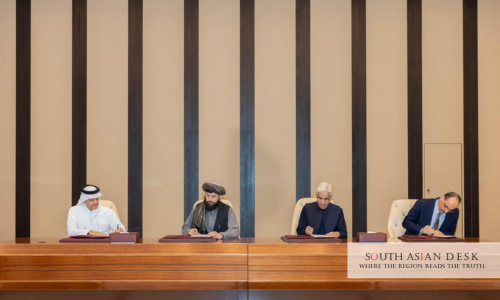
Afghanistan-Pakistan peace talks collapsed, unfolding in Istanbul on November 7, when negotiators failed to bridge the gaps over security responsibilities. Taliban representatives, mediated by Qatar and Turkey, clashed with Pakistani officials on curbing cross-border militancy. The second round ended without an agreement, although a Doha-brokered ceasefire remains in place. This development emerged at 4:35 PM in Kabul on Saturday.
The Afghanistan-Pakistan peace talks’ collapse in 2025 carries weight across South Asia, where porous borders fuel insurgencies and refugee flows. Pakistan accuses Taliban havens for groups like Tehrik-i-Taliban Pakistan, while Kabul denies sheltering foes. Breakdown risks renewed artillery duels, straining economies in both nations and alarming India over regional spillovers. Sustained truce averts wider chaos, but unresolved grievances threaten trade corridors and counter-terror pacts.
Taliban Ceasefire Holds in Pakistan Despite Deadlock
Taliban ceasefire holds Pakistan as the Afghanistan-Pakistan peace talks collapse in 2025, leaving tensions simmering. Zabihullah Mujahid, Taliban spokesperson, stated official channels detailing the impasse. He noted talks proceeded in good faith over two days, 6 and 7 November, with expectations for realistic demands from Islamabad.
Mujahid highlighted Pakistan’s push to shift all internal security burdens onto Afghanistan. “During the talks, the Pakistani side attempted to refer all responsibilities regarding its security to the Afghan government, while at the same time it did not demonstrate any willingness to assume responsibility for either Afghanistan’s security or its own,” he stated. This stance, deemed irresponsible, yielded no outcome.
The ceasefire, inked in Doha last October, remains intact. Mujahid affirmed, “The ceasefire that has been established has not been violated by us so far, and it will continue to be observed.” Taliban pledges no Afghan soil for attacks on neighbours, nor tolerance for foreign incursions undermining sovereignty.
October clashes underscored urgency. Pakistani airstrikes hit sites near Kabul, targeting Pakistani Taliban leaders. Subsequent border firefights killed dozens, the worst since the 2021 Taliban takeover. The United Nations data logs 50 Afghan civilians dead and 447 wounded in early October exchanges. Pakistan reports 23 soldiers killed and 29 injured, no civilian toll specified.
The Istanbul venue hosted prior rounds, with Turkey and Qatar facilitating. Taliban thanked hosts, expressing hope for future constructive engagement. Yet, mutual accusations persist. Kabul blames Pakistani shelling in Kandahar’s Spin Boldak district on 7 November for civilian wounds.
Istanbul Talks Fail Afghanistan, Pakistan Over Militancy Row
Istanbul talks fail as Afghanistan and Pakistan remain core disputes on militants post-collapse. Pakistani Defence Minister Khawaja Muhammad Asif confirmed the deadlock on 7 November. He revealed negotiators returned home empty-handed, with mediators withdrawing. “Even the mediators have stepped back. Had they seen any chance, they would have asked us to stay there,” Asif said.
Islamabad seeks firm Taliban commitments against cross-border raids. Bloomberg reports refusal to assure curbs on groups like Tehrik-i-Taliban Pakistan, harboured in Afghan border zones, per Pakistani claims. Taliban counters with denials, insisting on adherence to the 2021 Doha accord pledges on mutual security.
The collapse of the Afghanistan-Pakistan peace talks echoes earlier stalls in the negotiations. A brief exchange of fire on November 6 along the shared border coincided with the resumption of talks, testing the Doha truce. Explosions in Kabul last month, blamed on Pakistan by the Taliban, claimed five lives.
Al Jazeera coverage amplifies Taliban ire. Mujahid described Pakistan’s attitude as non-cooperative, blocking fundamental solutions. He stressed brotherhood with Pakistani Muslims, vowing cooperation within capacities while defending Afghan territory firmly.
Data reveals scale. Over 2,500 kilometres of the Durand Line border sees frequent incursions. Pakistan fenced segments since 2017, displacing communities. Afghan returns from Pakistan reach 600,000 in 2025, according to the UNHCR, exacerbating pressures amid stalled diplomacy.
Afghanistan-Pakistan Border Truce Continues Amid Blame Game
The Afghanistan-Pakistan border truce continues despite the Istanbul talks failing, with Afghanistan-Pakistan fallout. Mujahid reiterated no violations from the Taliban side, aligning with Asif’s condition: truce holds absent Afghan-origin attacks.
Pakistani Foreign Ministry channels, although silent on X recently, are backing ministerial lines. Asif warned in prior rounds that failure invites open conflict, as stated in October. Bloomberg notes the fragility of the truce, with a potential collapse potentially unraveling October gains.
Regional observers note patterns. Taliban denies sheltering Tehrik-i-Taliban Pakistan, claiming Islamabad’s internal woes stem from governance lapses. Pakistan insists Doha pledges unfulfilled, pointing to 500 attacks from Afghan soil in 2024, per military logs.
Ceasefire mechanics involve hotline communications and joint patrols in select zones. Qatar’s mediation proved pivotal in the October halt, averting escalation after airstrikes. Turkey’s role in Istanbul builds on the legacy of the 2021 Afghan peace venue.
Civilian toll mounts. Kandahar shelling wounded families, per local reports. The UN appeals for de-escalation, citing 1.2 million people displaced near the border since 2021. Trade via the Torkham crossing decreased by 30% after October, resulting in a weekly loss of PKR 500 million in revenue.
Taliban frames its stance defensively. “The Islamic Emirate wishes [Pakistanis] well and hopes for peace,” Mujahid added, urging serious consultations. Yet, Kabul eyes reciprocity, demanding halts to aerial violations.
Background: From Doha Accord to Border Standoffs
Roots trace to the 2021 Doha accord, where the Taliban pledged non-use of Afghan territory for terror. Pakistan alleges breaches, fuelling 2024 deportations of 1.7 million Afghans. Airstrikes in March targeted safe havens, killing 40 in Kabul.
The October flare-up began with Pakistani operations against the Tehrik-i-Taliban Pakistan head in Kunar. Retaliatory clashes spanned from Bajaur to Khost, drawing artillery fire. The Doha ceasefire, effective 15 October, paused hostilities, paving the way for the Istanbul path.
Mediation evolved. Qatar hosted the initial truce; Turkey offered neutral ground. The prior Istanbul round in September yielded partial confidence measures, such as prisoner swaps.
Geopolitics looms. China urges stability for Belt and Road; India monitors for spillover. US sanctions linger on the Taliban, complicating aid flows.
What’s Next: Pathways to Revival
Prospects hinge on backchannel diplomacy. Qatar signals readiness for third round, potentially in Doha. Pakistan eyes UN Security Council briefings; Taliban prefers bilateral tracks.
Border management talks could resume, focusing on disputes over fencing. Economic incentives, such as visa easing for traders, may lure concessions. Analysts predict that a winter lull will aid cooling, but spring thaws risk renewed fights.
Monitoring mechanisms strengthen. Joint intelligence sharing, trialled in 2024, faltered but offers a template. Regional forums, such as the Shanghai Cooperation Organisation, host sidelines.
The Afghanistan-Pakistan peace talks collapsed in 2025, as the Taliban ceasefire holds, Pakistan resolves, yet the Afghanistan-Pakistan border truce continues, as the Istanbul talks fail, Afghanistan-Pakistan echoes the demand for urgent resets for enduring calm.
Published in SouthAsianDesk, November 8th, 2025
Follow SouthAsianDesk on X, Instagram, and Facebook for insights on business and current affairs from across South Asia.