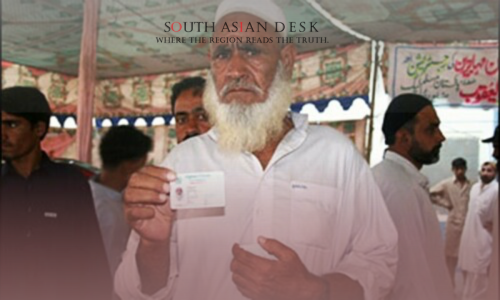
Afghan refugees in Pakistan are gripped by fear and uncertainty after the government issued orders to deport over one million people holding Proof of Registration (PoR) cards. These cards, once a lifeline for legal stay, expired on June 30, 2025, leaving families who fled war and persecution in Afghanistan facing an uncertain future. The decision, announced through a special regulatory order by Pakistan’s interior ministry, has sparked widespread panic among communities who have called Pakistan home for decades.
Afghan Refugees in Pakistan Tensions
“It’s like our world is collapsing,” said an Afghan leather garment designer in Peshawar, speaking anonymously to avoid reprisals. “We’ve built lives here, businesses, families—now we’re told we’re illegal.” His words echo the despair of many who fear returning to a Taliban-controlled Afghanistan, where safety and stability remain elusive. The United Nations High Commissioner for Refugees (UNHCR) has raised alarms, calling the move a serious concern for refugee protection and legal status.
The order empowers local authorities to arrest and detain PoR cardholders, marking the third phase of Pakistan’s Illegal Foreigners Repatriation Plan. Since November 2023, over 1.14 million Afghans, including undocumented individuals and Afghan Citizen Card (ACC) holders, have been repatriated. Many hoped for an extension of PoR card validity, as had happened in the past, but recent notifications have dashed those hopes.
Syed Naqeeb Badshah, chairperson of the Muttahida Afghan Tajir Ittehad, called the decision “unwise,” noting that just weeks ago, authorities signaled possible extensions. “We’re not a burden,” he told local media. “We contribute to Pakistan’s economy.” Yet, the government’s stance reflects growing pressure to address security concerns, with officials linking cross-border tensions to Afghan nationals.
For Afghan refugees, the stakes are deeply personal. A mother in Rawalpindi shared, “My children have never known Afghanistan. How can we go back to a place that’s not home?” The fear of persecution under Taliban rule looms large, especially for women and girls facing restrictions on education and work.
As transit points in Peshawar and Landikotal prepare to process returning Afghans, the international community is urged to act. UNHCR’s Qaiser Khan Afridi emphasized the need for clarity on the policy’s impact, while human rights groups call for compassion and adherence to non-refoulement principles, which protect refugees from being returned to danger.
The plight of Afghan refugees in Pakistan remains a stark reminder of the human cost of displacement. As families brace for an uncertain future, their stories demand attention and action from a world that cannot turn away.
Published in SouthAsianDesk, August 3rd, 2025
Follow SouthAsianDesk on X, Instagram, and Facebook for insights on business and current affairs from across South Asia.