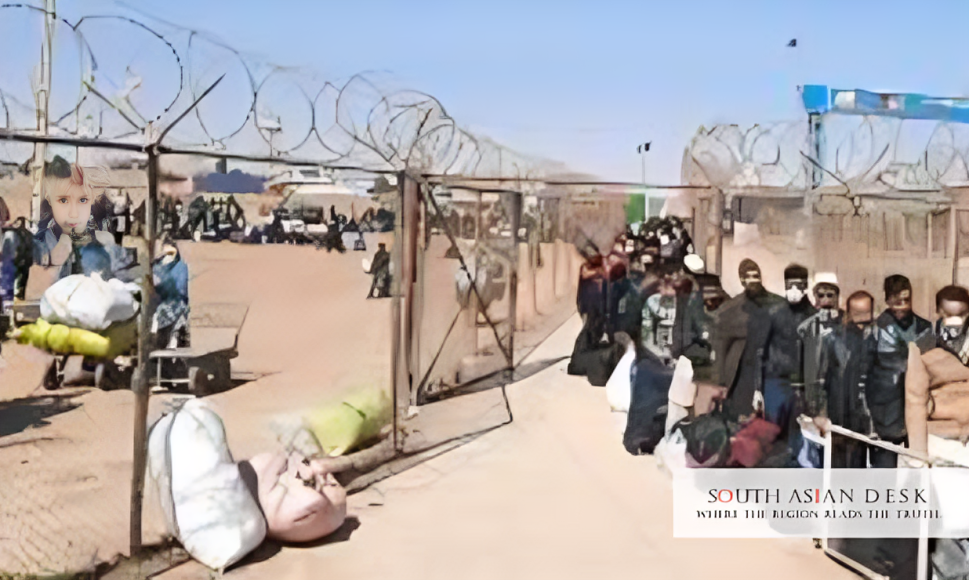
The United Nations High Commissioner for Refugees has warned that Afghan refugees in Pakistan confront an uncertain future. Nearly 942,200 have returned to Afghanistan from Pakistan in 2025, many forcibly, amid escalating tensions between Islamabad and Kabul. Returnees report mistreatment by authorities, including threats and service cutoffs, as winter exacerbates the humanitarian crisis.
This development intensifies pressures across South Asia. Afghanistan’s resources are overstretched by 2.8 million total returns from neighbouring countries, complicating regional stability and aid efforts.
UNHCR Afghan Refugees Concerns
The UNHCR Afghan refugees report details a deepening crisis. In its October 2025 operational update, the agency noted over 849,000 Afghans had returned by that point, including holders of Proof of Registration cards, Afghan Citizen Cards, and undocumented individuals. In October alone, more than 99,000 left Pakistan.
UNHCR stated that the Government of Pakistan de-notified all 54 refugee villages, where over 397,000 Afghans resided. This action displaced communities reliant on these sites for shelter and services.
A UNHCR briefing note from September 2025 described returns occurring under adverse circumstances. “Thousands of Afghans are returning under adverse circumstances from Pakistan amid recovery efforts from a devastating earthquake,” said Arafat Jamal, UNHCR Representative to Afghanistan. The note reported 2.6 million returns regionally by then, with 554,000 from Pakistan since April, including 143,000 in August.
UNHCR provides cash assistance, protection services, and essentials at border points. However, operations faced temporary suspension due to restrictions on female UN staff. “It is not possible to serve women without female staff,” the agency emphasised.
Funding remains critically low. UNHCR appealed for $258.6 million to support returnees facing overlapping crises like poverty and natural disasters. Earlier reports indicated only 37 percent of a $478 million requirement for 2025 had been secured.
Mistreatment of Afghan Refugees in Pakistan
Returnees have reported widespread mistreatment of Afghan refugees in Pakistan. Pakistani police allegedly threatened daily home demolitions if families did not leave. Schools for refugees closed, and water and electricity supplies were cut off.
One returnee told TOLOnews: “They came every day and said if you don’t go, we will demolish your house.” Another described arriving in Afghanistan without assets, facing winter without shelter.
UNHCR expressed deep trouble over deportations, including three unaccompanied Afghan children in November 2025. The agency urged Pakistan to protect those at risk of harm if returned.
In August 2025, UNHCR voiced concern over plans to forcibly return Proof of Registration card holders. Reports emerged of arrests and detentions across Pakistan.
These accounts align with broader patterns. Afghan refugees in Pakistan, numbering about 2 million, live mainly in Khyber Pakhtunkhwa (54 percent) and Balochistan (24 percent). Urban dwellers account for 30 percent.
Forced Returns to Afghanistan
Forced returns to Afghanistan have accelerated under Pakistan’s Illegal Foreigners Repatriation Plan. The government resumed the plan on 7 March 2025, initially targeting Afghan Citizen Card holders. By 31 July 2025, it extended to all Afghan refugees.
Pakistan’s Ministry of Foreign Affairs stated on 17 October 2025 that the plan was implemented at the Taliban regime’s request and with mutual consent. “The Government of Pakistan and the Afghan Taliban regime decided to implement a repatriation plan for illegal Afghan nationals,” the spokesperson said.
As of 13 December 2025, 942,200 Afghans had returned from Pakistan, contributing to 2.8 million total from Iran and Pakistan. Of those from Pakistan, 135,200 were deportees between April and December.
UNHCR called for voluntary, safe, dignified, and sustainable returns. It urged extensions for those needing international protection, including at-risk groups.
Returnees face severe challenges in Afghanistan. Many have not visited for decades; some were born in Pakistan. They arrive amid economic hardship, human rights issues, and natural disasters. Winter compounds vulnerabilities, with shortages of shelter and jobs.
Background
Pakistan has hosted Afghan refugees since the 1970s Soviet invasion. Numbers peaked at over 4 million in the 1980s. Recent tensions, including border clashes, have strained relations.
The 2021 Taliban takeover prompted new inflows, but Pakistan cited security and economic burdens for repatriation. In 2025, deportations surged, drawing international criticism.
Amnesty International labelled the plan opaque and called for its withdrawal in March 2025. UN experts sounded alarms in August 2025 over human rights risks.
What’s Next
Aid organisations plan to scale up support, but funding gaps persist. UNHCR seeks regional mechanisms for protection and migration pathways.
Pakistan may continue the plan, potentially affecting remaining Afghan refugees in Pakistan. Afghanistan’s authorities must integrate returnees, though resources are limited.
As conditions worsen, the plight of Afghan refugees in Pakistan demands urgent international attention to prevent further forced returns to Afghanistan.
Published in SouthAsianDesk, December 21st, 2025
Follow SouthAsianDesk on X, Instagram, and Facebook for insights on business and current affairs from across South Asia.