Mass expulsions at Spin Boldak raise fears of a humanitarian crisis in Taliban-ruled Afghanistan. The Afghan refugees Pakistan 2025 crisis intensified as Pakistan deported over 80,000 Afghans, including 4,000 via Spin Boldak, since Monday, April 1, 2025, under its Illegal Foreigners Repatriation Plan. Launched in Islamabad, the policy targets undocumented migrants and Afghan Citizen Card (ACC) holders, citing security concerns, with returns processed at border points.
The Afghan refugees Pakistan deportations strain Pakistan-Afghanistan relations and threaten South Asia’s stability, as returnees face Taliban persecution and economic collapse in Afghanistan. The Afghan refugees deportation Spin Boldak exacerbates regional tensions, impacting cross-border trade and humanitarian aid, critical for neighbouring countries like India and Iran.
Afghan Refugees Pakistan 2025: Scale of Deportations
Pakistan’s Illegal Foreigners Repatriation Plan, announced in October 2023, has forcibly deported over 1.2 million Afghans by Tuesday, September 9, 2025, including 443,000 in 2025 alone. According to the United Nations International Organization for Migration (IOM), between Monday, April 1, and Sunday, April 13, 2025, nearly 60,000 Afghans crossed into Afghanistan via Torkham and Spin Boldak, with 4,000 at Spin Boldak alone since Saturday, August 31, 2025. According to Spin Boldak official Abdul Latif Hakimi, 250-300 families return daily, overwhelming Afghanistan’s fragile infrastructure.
The Afghan refugees Pakistan 2025 policy targets undocumented Afghans and ACC holders, with phase two, launched on Monday, April 1, 2025, focusing on 800,000 ACC holders. According to Pakistan’s Ministry of Interior, all Afghan nationals were ordered to leave Islamabad and Rawalpindi by Sunday, March 31, 2025, with PoR cardholders relocated outside these cities. The policy has led to arbitrary arrests, with 10,500 Afghans detained in 2024, including 1,200 in December alone.
Afghan Refugees Deportation Spin Boldak: Humanitarian Concerns
The Afghan refugees deportation Spin Boldak has sparked alarm, with returnees facing persecution risks under Taliban rule. According to UNHCR spokesperson Babar Baloch, on Tuesday, August 5, 2025, the forced return of PoR cardholders violates non-refoulement, a principle prohibiting returns to unsafe countries. Many deportees, including women, journalists, and former Afghan officials, face threats in Afghanistan, where the Taliban has been accused of extrajudicial killings and gender persecution. According to the International Criminal Court, on Tuesday, January 14, 2025, arrest warrants were issued for Taliban leaders for crimes against humanity.
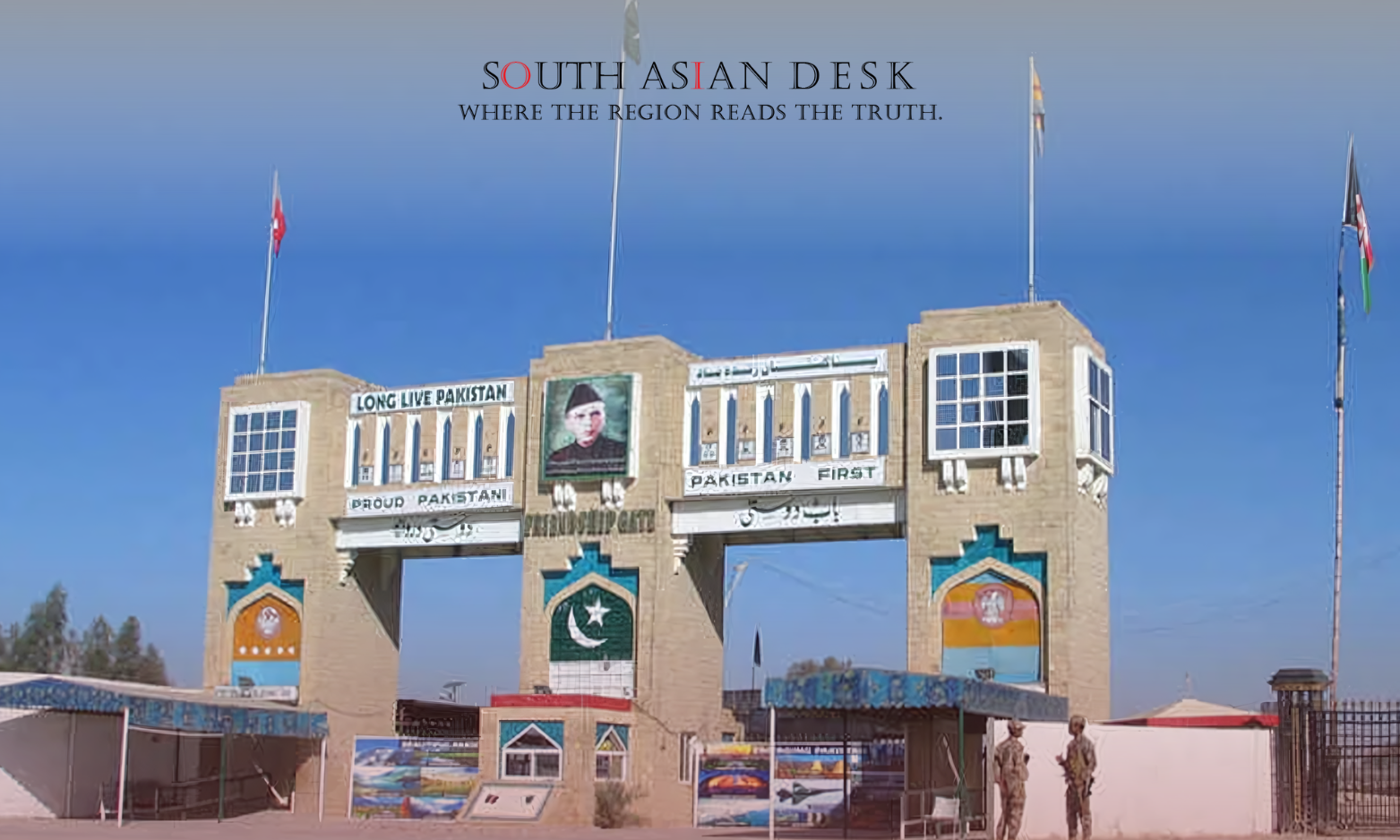
At Spin Boldak, Afghan refugees deportation Spin Boldak scenes show families with limited belongings crossing under armed guard supervision. According to Chaman official Habib Bangulzai, over 4,000 Afghans crossed post-deadline, many reporting harassment and restricted asset transfers. The Afghan refugees Pakistan 2025 crisis has displaced families like Sayed Rahman’s, a second-generation refugee who told media on Friday, April 18, 2025, “I lived my whole life in Pakistan. What am I supposed to do now?”
Policy and Security Context
Pakistan justifies the Afghan refugees Pakistan 2025 deportations, citing security threats from rising militant attacks. According to Interior Minister Mohsin Naqvi, on Friday, January 10, 2025, Afghan nationals were linked to criminal and terrorist activities, necessitating the policy. The Taliban denies harbouring militants, rejecting Pakistan’s claims. The Afghan refugees deportation Spin Boldak and Torkham has strained diplomatic ties, with Pakistan’s Foreign Office announcing high-level talks in Kabul on Saturday, April 19, 2025, to address security and trade.
Pakistan hosts 2.5 million Afghans, including 1.3 million PoR cardholders and 800,000 ACC holders. PoR cards, set to expire on Monday, June 30, 2025, offer temporary protection, but phase three may target these holders. According to Amnesty International, on Friday, April 4, 2025, the policy violates international law, risking lives of vulnerable groups like journalists and women activists.
Background
Pakistan has hosted Afghan refugees since the 1979 Soviet invasion, with numbers peaking at 4 million. The 2021 Taliban takeover drove 700,000 more to Pakistan, many undocumented. The Afghan refugees Pakistan 2025 crisis follows a 2016 deportation wave of 600,000 Afghans, dubbed by Human Rights Watch as a historic forced return. Pakistan’s non-signatory status to the 1951 Refugee Convention and lack of domestic refugee laws exacerbate vulnerabilities, with the Afghan refugees deportation Spin Boldak highlighting ongoing regional instability.
What’s Next for Afghan Refugees Pakistan 2025
The Afghan refugees Pakistan 2025 crisis may escalate as PoR cardholders face potential deportation post-June 2025. The Afghan refugees deportation Spin Boldak could overwhelm Afghanistan’s economy, already reeling from a 6.0-magnitude earthquake on Sunday, August 31, 2025, killing 1,469. International pressure, including UNHCR’s call to halt deportations, may push Pakistan to reconsider, but security priorities suggest continued expulsions.
Published in SouthAsianDesk, September 9th, 2025
Follow SouthAsianDesk on X, Instagram, and Facebook for insights on business and current affairs from across South Asia.