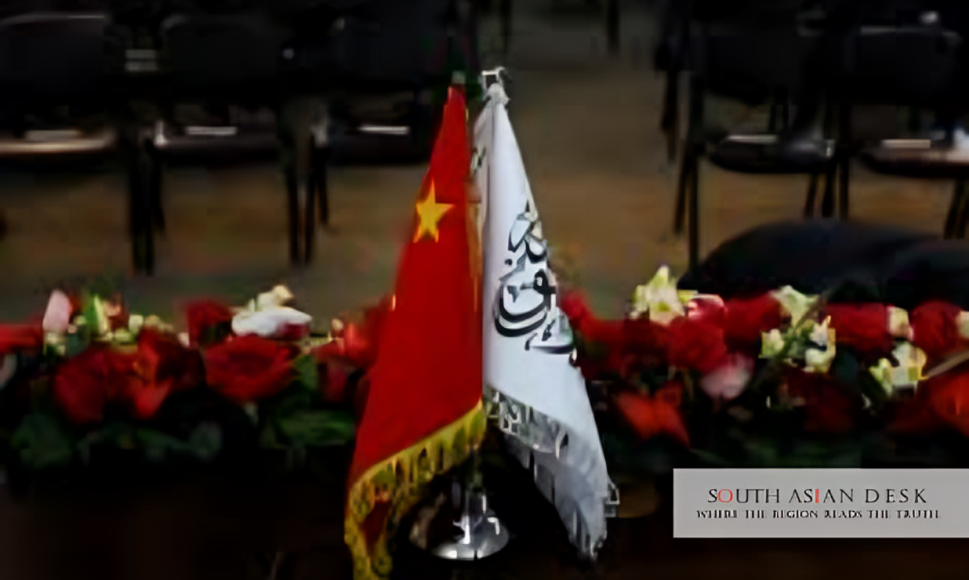
Afghanistan China trade hits 745 million dollars in the first nine months of 2025, with Afghan exports to China 18 million in the first nine months, and China’s imports from Afghanistan surge to 727 million, according to the Ministry of Industry and Commerce.
This development highlights China’s pivotal role as a partner in Afghanistan‘s economic revival, injecting vital resources while underscoring the need for diversified exports to foster regional stability in South Asia. As Beijing advances its Belt and Road Initiative, enhanced trade corridors could ripple across Pakistan, India, and Central Asia, promoting interconnected growth and reducing dependency on volatile aid flows.
Trade Volume Reaches New Heights
Afghanistan China trade hits 745 million dollars marks a significant uptick in bilateral exchanges for 2025. The Ministry of Industry and Commerce reported this figure on Friday, covering January to September. Spokesperson Akhundzada Abdul Salam Jawad detailed the breakdown during a press briefing in Kabul.
The total reflects a robust appetite from Chinese markets for Afghan goods, albeit limited, alongside heavy reliance on imports from the Asian giant. This volume positions China as one of Afghanistan’s top trading counterparts, surpassing several regional players. Officials attribute the growth to streamlined customs procedures and expanded diplomatic engagements.
In the preceding seven months, Afghanistan China trade hits 745 million trajectory was already evident, with volumes at 541 million dollars. That period saw similar patterns, setting the stage for the nine-month surge. Afghan authorities view this as a foundation for annual targets exceeding one billion dollars.
Afghan Exports China 18 Million Nine Months: Key Commodities
Afghan exports China 18 million nine months primarily feature agricultural and mineral products. Black pine nuts lead the list, prized for their nutritional value in Chinese cuisine. Dried apricots follow, leveraging Afghanistan’s arid climate for high-quality yields.
Precious and semi-precious stones round out the top exports, drawing interest from Beijing’s jewellery sector. These items account for nearly 80 percent of the 18 million dollars outflow. Ministry data indicates a steady demand, with shipments via land routes through Wakhan Corridor gaining traction.
Despite the modest figure, Afghan exports China 18 million nine months represent a 28 percent increase from the same period in 2024. Jawad emphasised: “Our main exports to China are black pine nuts, dried apricots, precious and semi-precious stones.” This niche focus aids smallholder farmers in provinces like Badakhshan and Kunar, injecting foreign exchange into rural economies.
Efforts to broaden the export base include certification programmes for organic produce, aligning with Chinese standards. However, logistical hurdles persist, with traders noting high transit fees through neighbouring ports.
China Afghanistan Imports Surge 727 Million: Fuel for Infrastructure
China Afghanistan imports surge 727 million dominates the ledger, fuelling Afghanistan’s reconstruction drive. Cotton textiles top the inflows, essential for local garment factories employing thousands in Kabul and Herat.
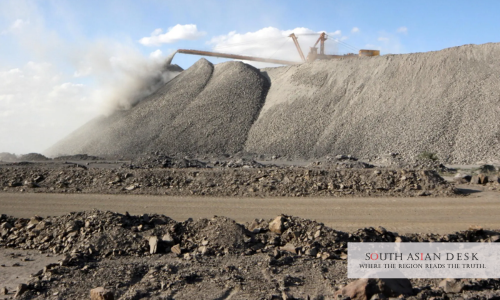
Solar panels arrive in bulk, supporting off-grid electrification in remote areas. Electronic equipment, including smartphones and components, meets rising consumer demand. Raw materials for manufacturing, such as steel alloys and chemicals, bolster nascent industries.
This 727 million dollars influx equates to over 97 percent of total trade, highlighting an acute imbalance. Yet, it catalyses development: solar installations have expanded by 45 percent year-on-year, per energy ministry estimates. Jawad added that these imports include “cotton textiles, solar panels, electronic equipment, and raw materials for manufacturing.”
China Afghanistan imports surge 727 million aligns with broader trends, where Beijing’s exports to Afghanistan grew 15 percent in early 2025. Such volumes underscore China’s strategic interest in stabilising its western flank.
Challenges in Sustaining Growth
Afghanistan China trade hits 745 million conceals underlying strains. Exporters face prohibitive air freight costs and opaque documentation at borders. Mahbubullah Mohammadi, a Kabul-based trader, observed: “Due to the lack of transit agreements, absence of a structured export strategy, and issues with air corridors, including high cargo costs and document processing, our exports to Chinese markets have significantly declined.”
These bottlenecks erode competitiveness, particularly for perishable goods like apricots. Azarkhash Hafizi, former head of the Chamber of Commerce and Investment, urged: “We must work to establish direct trade routes with China. As the world’s second-largest economy and our neighbour, China needs Afghan goods. The more we produce competitively, the more we can sell.”
Geopolitical tensions, including sanctions on banking channels, further complicate remittances from sales. Ministry officials counter that bilateral talks have eased some visa restrictions for business travellers.
Background: Evolving Ties Under New Dynamics
Afghanistan China trade hits 745 million builds on a legacy of pragmatic relations. Since 2021, engagements have intensified, with China recognising Afghanistan’s interim government in practice through economic pacts. Historical precedents include the 2016 oil extraction deal, though implementation lagged.
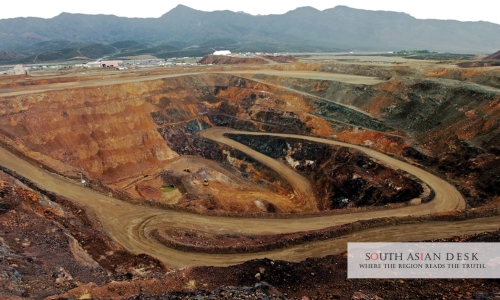
In July 2025, trade volumes hovered at 541 million dollars for the first seven months, driven by mineral explorations. Beijing’s interest in lithium and copper deposits promises long-term inflows, potentially flipping the trade balance.
Regionally, this axis integrates with the China-Pakistan Economic Corridor, offering Afghanistan transit access to Gwadar port. South Asian stakeholders monitor closely, as enhanced connectivity could mitigate smuggling routes and foster licit commerce.
World Bank assessments note that total Afghan exports reached 548.4 million dollars in the first five months of fiscal 2025, up nine percent. China captures a growing share, signalling diversification from traditional markets like Pakistan.
What’s Next: Pathways to Balanced Exchange
Future prospects hinge on high-level dialogues. On August 20, 2025, delegations discussed mining ventures and Belt and Road participation. China expressed keenness to invest in Afghan minerals, potentially injecting billions.
Authorities plan export promotion fairs in Urumqi next quarter, targeting 50 million dollars in new contracts. Infrastructure upgrades, including rail links via Tajikistan, could slash costs by 30 percent. As Afghanistan China trade hits 745 million sets a benchmark, sustained reforms promise equitable gains for South Asia’s fragile economies.
In conclusion, Afghanistan China trade hits 745 million exemplifies resilience amid adversity, paving the way for mutual prosperity.
Published in SouthAsianDesk, November 2nd, 2025
Follow SouthAsianDesk on X, Instagram, and Facebook for insights on business and current affairs from across South Asia.