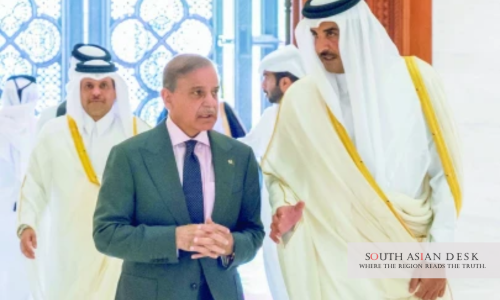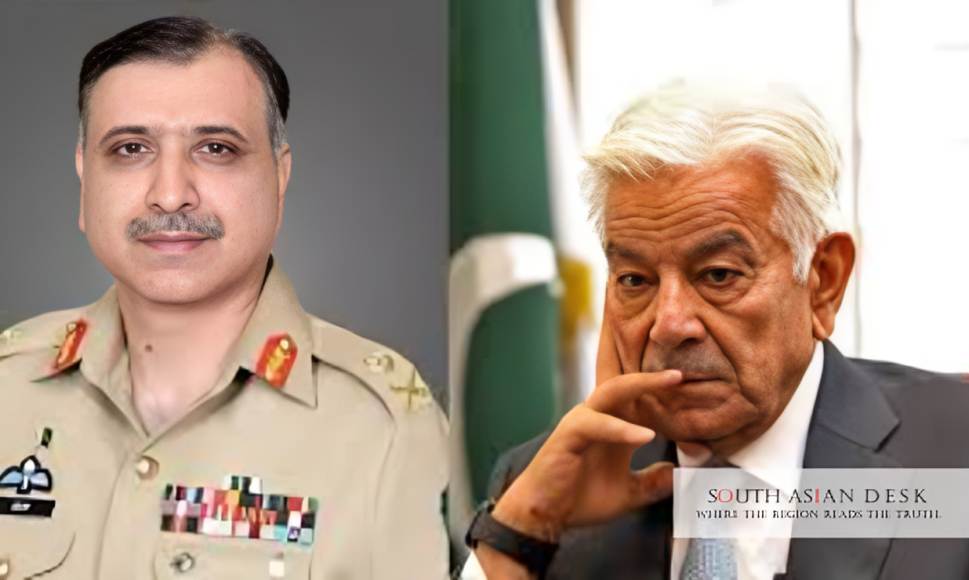
Kabul, Wednesday, October 15, 2025 – Afghanistan denies visas to four senior Pakistan officials, including Defence Minister Khawaja Muhammad Asif and intelligence chief Asim Malik, following Pakistan’s airspace violation in Afghanistan last week. The move comes amid intense Taliban Pakistan border clashes that killed at least 23 Pakistani soldiers and nine Afghan fighters.
This incident underscores the deepening rift between the two nations, affecting trade, security and counter-terrorism efforts across South Asia. With shared borders spanning 2600 kilometres, unresolved disputes risk broader instability in a region already grappling with militancy and economic challenges.
Details As Afghanistan Denies Visas
Over the past three days, Pakistan submitted separate visa requests for Khawaja Muhammad Asif, Asim Malik and two unnamed generals to visit Kabul. Each request was rejected by Afghan authorities. The denials were explicitly linked to recent military actions by Pakistan.
Zabihullah Mujahid, spokesperson for the Islamic Emirate of Afghanistan, stated at a press conference on Sunday: “They had asked for their high-level delegation to come to Afghanistan, but because of the airspace violations, the Emirate did not permit the trip and rejected their request.”
The proposed visit aimed to address the escalating conflict, but Kabul viewed it as inappropriate given the circumstances. Analysts suggest this reflects a firmer stance by the Taliban administration on sovereignty issues.
Mohammad Amin Karim, a political analyst, noted: “Afghanistan’s national interests demand that our country maintains healthy and constructive relations with all its neighbours, especially Pakistan. Unfortunately, ever since Pakistan’s artificial creation, this problem has remained a festering wound.”
Sayed Bilal Fatemi, another analyst, added: “At this moment, after having violated Afghan territory without any documented reason or evidence against all international laws, their request to visit is like salt in the wound of the Afghan people.”
This marks a rare public rebuff in diplomatic channels between the two countries, where informal talks have often bridged gaps in the past.
Taliban Pakistan Border Clashes Escalate
In response to the air strikes, Afghan forces launched a major operation along the Durand Line on Saturday, October 12, 2025. Mujahid termed it a “revenge operation” against Pakistani positions.
According to Afghan claims, the clashes resulted in 58 Pakistani soldiers killed, 30 wounded and 25 military posts captured by Emirate forces. Nine Afghan fighters were also killed in the fighting.
Pakistan’s military countered with its own account, admitting 23 soldiers lost but claiming over 200 Taliban and affiliated fighters were eliminated in gun and artillery exchanges. State-run media in Pakistan reported fresh clashes erupting around 4:35 AM on Tuesday, October 14, 2025, though no new casualties were detailed.
The fighting centred on remote border regions in Bajaur and other agencies, areas long plagued by insurgent activity. Both sides accused the other of harbouring militants, exacerbating the Taliban Pakistan border clashes.
Background
The Durand Line, established in 1893, has been a flashpoint since Pakistan’s independence in 1947. Afghanistan has never fully recognised the border, viewing it as a colonial imposition that divides Pashtun communities.
Past incidents include shelling in 2014 and major skirmishes in 2021, often tied to accusations of supporting cross-border terrorism. Pakistan has hosted millions of Afghan refugees for decades, providing aid during crises like the COVID-19 pandemic, but relations soured after the Taliban’s 2021 takeover.
Recent years saw increased fencing by Pakistan along the 2600-kilometre border to curb infiltration, drawing protests from Kabul. Trade, valued at over USD 1 billion annually, has suffered from frequent closures.
The current escalation follows Pakistan’s airstrikes in Kabul and border areas, which Islamabad justifies as self-defence against groups like Tehrik-i-Taliban Pakistan (TTP). Afghanistan denies sheltering such elements and accuses Pakistan of similar interference.
China, a key ally to both, urged restraint in a statement: “The two nations are both China’s friends and each other’s neighbours. It is in the fundamental and long-term interest of both Pakistan and Afghanistan to seek good-neighbourliness, pursue economic and social prosperity and jointly combat terrorism.”
The US has also expressed concern, with President Donald Trump offering to mediate.
What’s Next
Diplomatic channels remain open, but the visa rejections signal a pause in direct talks. Border closures could persist, impacting humanitarian aid and commerce. Analysts predict further Taliban Pakistan border clashes unless de-escalation measures, such as joint patrols or third-party mediation, are implemented.
Pakistan may seek UN involvement over the Pakistan airspace violation in Afghanistan claims, while Afghanistan could rally regional support. Economic pressures, including PKR 500 million in daily trade losses, might force negotiations.
As Afghanistan denies visas to Pakistan officials, observers watch for signs of thaw or further confrontation in this volatile South Asian hotspot.
Published in SouthAsianDesk, October 15th, 2025
Follow SouthAsianDesk on X, Instagram, and Facebook for insights on business and current affairs from across South Asia.