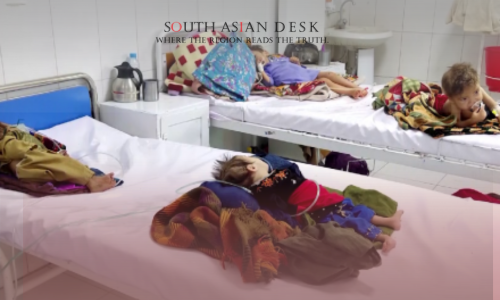
A severe malnutrition crisis is gripping Afghanistan, with one in two children suffering from inadequate nutrition, according to recent reports from the United Nations Children’s Fund (UNICEF). This alarming situation, affecting millions of young lives, has worsened due to a combination of restricted food access, economic challenges, and climate-related disruptions. In 2025 alone, over 500,000 children are at risk of severe acute malnutrition, a condition that can lead to long-term developmental issues and increased mortality rates if not addressed promptly.
The crisis has been exacerbated by the closure of numerous health centers due to reduced international aid, leaving many families without access to essential medical services. For instance, children in remote areas are particularly vulnerable, as clinics that once provided nutritional support and healthcare have shut down. UNICEF has launched initiatives to combat this through local food systems, education, and community engagement, aiming to strengthen resilience among Afghan families. Posts on X highlight the scale of the issue, with users noting that 12.6 million Afghans faced acute food insecurity between March and April 2025, including 1.2 million pregnant and breastfeeding women suffering from malnutrition.
Compounding the problem, infectious diseases such as measles, malaria, and pneumonia are on the rise, further threatening the health of malnourished children. The World Health Organization has reported significant increases in these illnesses, linking them to weakened immune systems caused by poor nutrition. Efforts are underway to distribute medical kits and train health workers, but funding shortages continue to hamper progress.
Local communities are calling for increased international support to restore healthcare access and provide food assistance. Programs focusing on women and girls, who make up a significant portion of those receiving aid, are seen as vital to addressing the crisis holistically. Without sustained intervention, the long-term consequences for Afghanistan’s children could be devastating, with nearly half of those under five already facing stunted growth due to chronic malnutrition.
Southasiandesk.com urges global attention to this humanitarian emergency, emphasizing the need for coordinated efforts to ensure Afghanistan’s children have access to the nutrition and care they desperately need.
Published in SouthAsianDesk, July 19th, 2025
Follow SouthAsianDesk on X, Instagram and Facebook for insights on business and current affairs from across South Asia.