Afghanistan Heavy snow and rain have wreaked havoc across the country, killing 61 people and injuring over 110 in just three days, as avalanches and roof collapses devastate communities in central and northern provinces.
Heavy snow and rain swept through Afghanistan from Wednesday to Friday, resulting in 61 deaths and more than 110 injuries. The disaster struck hardest in provinces like Panjshir, Parwan, Bamyan and Kandahar. Officials from the National Disaster Management Authority reported the toll on Saturday, attributing most fatalities to roof collapses, avalanches and frostbite amid sub-zero temperatures.
This tragedy underscores the vulnerability of South Asia to extreme weather events. Afghanistan’s ongoing humanitarian crisis affects millions, with natural disasters exacerbating poverty and displacement. Neighbouring countries like Pakistan face similar risks, as cross-border aid and trade routes suffer disruptions, highlighting the need for regional cooperation in disaster response.
Snow Rain Deaths Afghanistan: Widespread Devastation Reported
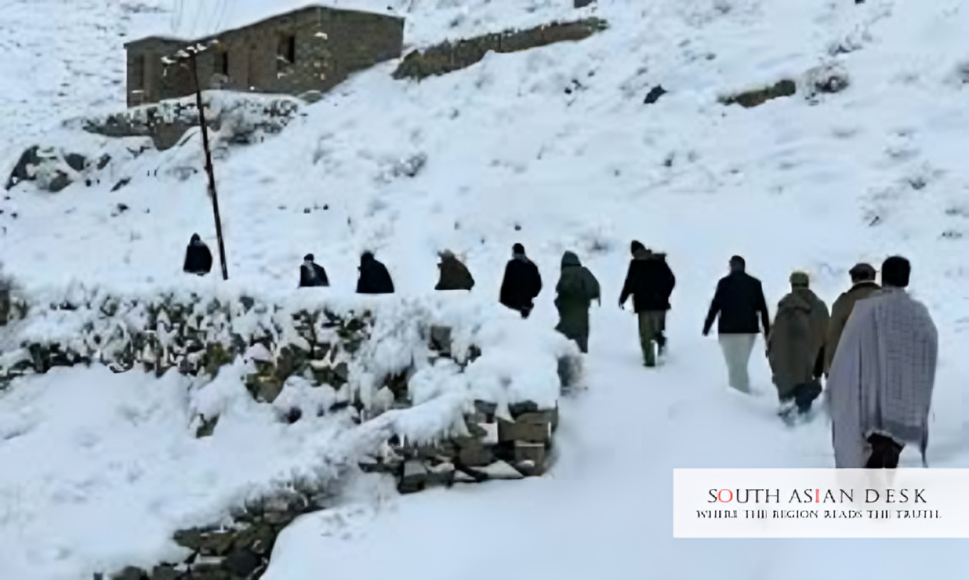
The Afghanistan heavy snow and accompanying heavy rain triggered a series of calamities. In Dara district of Panjshir province, avalanches buried homes, while strong winds and rain caused roof collapses in Parwan and Bamyan. Officials confirmed that 458 houses were partially or fully destroyed, leaving 360 families without shelter. Livestock perished in large numbers, and shops were obliterated in affected areas.
A spokesman for Afghanistan’s disaster management authority told reporters: “Most of the casualties were caused by roof collapses and avalanches, while many also died from frostbite in sub-zero temperatures.” The authority urged residents to “avoid unnecessary travel on snowy roads” in a video message shared on social media.
In southern Kandahar, heavy rain compounded the misery, flooding low-lying areas and contributing to the snow rain deaths Afghanistan tally. Rescue teams distributed food supplies to travellers stranded on a mountain pass in Bamyan, where sub-zero conditions posed immediate threats to life.
61 Killed Afghanistan Weather: Infrastructure Hit Hard
The storm’s fury extended to critical infrastructure, with 61 killed Afghanistan weather incidents including those from power outages and road blockages. The Salang highway, a vital link connecting Kabul to northern provinces, remains closed due to heavy snow accumulation. This closure has halted traffic and delayed repair efforts.
Mohammad Sadiq, spokesman for Afghanistan’s national power utility DABS, stated: “The technical teams are ready but cannot reach the area because of the blockage of Salang pass.” A transmission line importing electricity from Uzbekistan suffered damage, cutting power to households in almost 12 provinces. Residents in these areas endure darkness and cold, worsening the humanitarian situation.
The Afghanistan heavy snow has also destroyed agricultural assets, threatening food security in a nation where over half of its 40 million population requires aid this year. International organisations have noted that such events compound the effects of prolonged conflict and economic isolation.
Afghanistan Avalanche Victims: Stories from the Ground
Among the Afghanistan avalanche victims, many were caught off guard in remote villages. In Parwan province, north of Kabul, families reported losing loved ones when snow-laden roofs caved in during the night. One incident in Bamyan saw travellers trapped for hours before rescue arrived.
The snow rain deaths Afghanistan figures include children and elderly individuals most susceptible to frostbite. Health facilities in affected provinces struggle with an influx of injured, treating cases of hypothermia and trauma from collapses. Local authorities have mobilised limited resources, but access remains challenging due to blocked paths.
In Kandahar, heavy rain led to flash floods that swept away makeshift homes, adding to the 61 killed Afghanistan weather count. Survivors described scenes of chaos as water and snow merged into deadly torrents. The Afghanistan heavy snow event has left communities reeling, with immediate needs for shelter and medical supplies.
Background: Afghanistan’s Recurrent Weather Crises
Afghanistan has faced repeated natural disasters in recent years, from earthquakes to floods. The current Afghanistan heavy snow follows a dry spell that ended abruptly with intense precipitation. Climate experts link these patterns to broader changes affecting South Asia, where erratic weather impacts agriculture and livelihoods.
Past events, such as the 2022 floods that killed hundreds, have strained resources under Taliban rule. The lack of international recognition hinders aid flows, leaving agencies like the United Nations to fill gaps. This latest storm highlights infrastructure weaknesses, with roads and power grids ill-equipped for extreme conditions.
What’s Next: Recovery Amid Ongoing Risks
Efforts to clear the Salang highway continue, with teams working around the clock. Power restoration depends on accessing the damaged line, potentially taking days. Humanitarian groups plan to deliver tents and food to the 360 affected families.
Weather forecasts indicate possible easing of Afghanistan heavy snow in coming days, but sub-zero temperatures persist. Officials monitor for further avalanches, advising caution. Long-term, rebuilding destroyed homes will require support, as the nation grapples with the aftermath of snow rain deaths Afghanistan and related losses.
The disaster serves as a reminder of Afghanistan’s fragility, with 61 killed Afghanistan weather victims prompting calls for better preparedness. As recovery begins, focus shifts to preventing future tragedies amid persistent Afghanistan avalanche victims risks.
Published in SouthAsianDesk, January 25th, 2026
Follow SouthAsianDesk on X, Instagram and Facebook for insights on business and current affairs from across South Asia.