Afghanistan and Iran have agreed to update border markers and documents in a move to enhance cooperation for Afghanistan Iran border agreement.
Kabul: Afghanistan and Iran agreed on 8 February 2026 to update border markers and documents during a phone call between senior officials. The pact aims to accelerate joint meetings and address long-stalled border issues. This follows positive bilateral talks on border affairs.
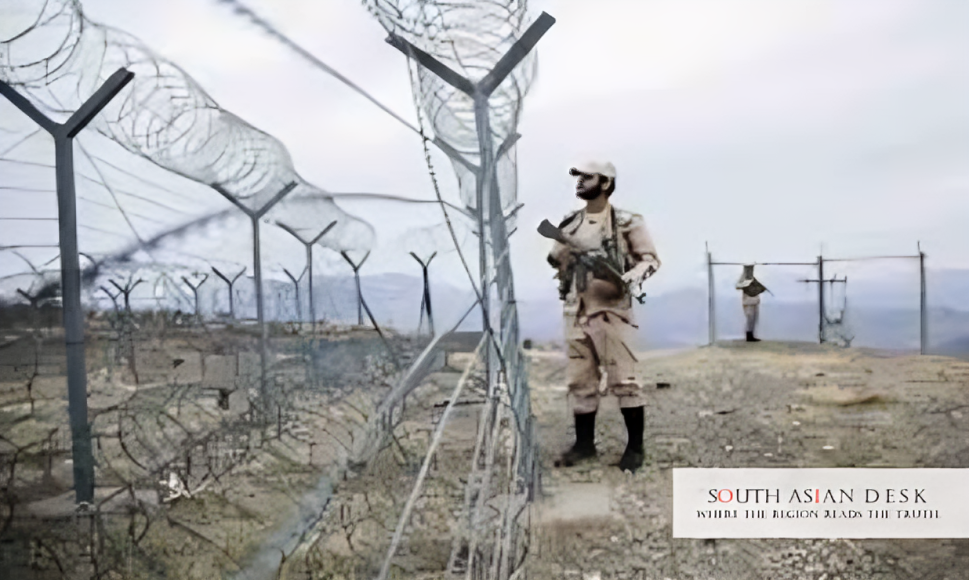
The agreement underscores the importance of stable borders in South Asia, where shared frontiers influence regional security and trade. With Afghanistan sharing a 921-kilometre border with Iran, updates to markers could reduce disputes and support economic ties amid ongoing refugee flows and water management challenges.
Afghanistan Iran Cooperation on Border Updates
Officials from both nations stressed the need for continued Afghanistan Iran cooperation. Kazem Gharibabadi, Iran’s Deputy Foreign Minister for Legal and International Affairs, and Mawlawi Noorullah Noori, Afghanistan’s Minister of Borders, Tribes and Tribal Affairs, held the discussion. They described current border collaboration as effective and committed to modernising documents and markers.
The initiative revives a project halted for seven years. Sources indicate the formal demarcation and renewal process will start soon. Noori assured full support and pledged to speed up the updates. Gharibabadi echoed the sentiment, highlighting mutual benefits.
This Afghanistan Iran border agreement aligns with broader efforts to tackle transnational issues. Borders have seen tensions over water from the Helmand River, which flows into Iran. Past disputes led to skirmishes, but recent diplomacy has focused on resolution. The pact could prevent future conflicts by clarifying boundaries.
Analysts view the development positively. Sadiq Shinwari, a military affairs expert, said: “Holding technical meetings on border issues can help prevent potential problems along the border in the future.” Jannat Fahim Chakari, a political analyst, added: “Meetings aimed at strengthening border cooperation between Afghanistan and Iran are very positive, and it is hoped that such professional meetings will be held as soon as possible.”
Details of the Afghanistan Iran Meeting
The phone call built on prior engagements. In October 2025, delegations met in Kabul to discuss border marker renewal, enhanced coordination, and anti-smuggling measures. That session laid groundwork for the current Afghanistan Iran border agreement.
Key outcomes include agreement to hold joint technical and legal sessions promptly. The next high-level border talks will occur in Iran during the Afghan solar year 1405, starting March 2026. This timeline reflects urgency in addressing border ambiguities.
Afghanistan Iran cooperation extends beyond markers. Both sides committed to combating drug trafficking, human smuggling, and terrorism. Iran hosts millions of Afghan refugees, and border stability aids repatriation efforts. A 2002 tripartite agreement with UNHCR facilitated voluntary returns, but recent deportations highlight ongoing strains.
Data shows Iran deported 832 Afghans between 31 January and 6 February 2026, mostly involuntary. Such movements underscore the need for updated border protocols. The Afghanistan Iran border agreement could streamline crossings and reduce irregular migration.
Background
Afghanistan and Iran share historical ties, with borders defined by 19th-century treaties. The 921-kilometre frontier runs through arid regions, prone to disputes over resources. Iran recognises the boundary fully, while Afghanistan maintains official borders with Iran among its six neighbours.
Past incidents include clashes in 2021 over water diversion and a 2020 fire at Islam Qala crossing. Diplomatic channels have resolved most, but marker degradation posed risks. The seven-year stall in renovations stemmed from political instability in Afghanistan post-2021 Taliban takeover.
Recent progress includes Iran’s acting envoy Alireza Bikdeli meeting Noori to discuss demarcation. Bikdeli affirmed Iran’s readiness for close collaboration. This paved the way for the phone call and subsequent Afghanistan Iran border agreement.
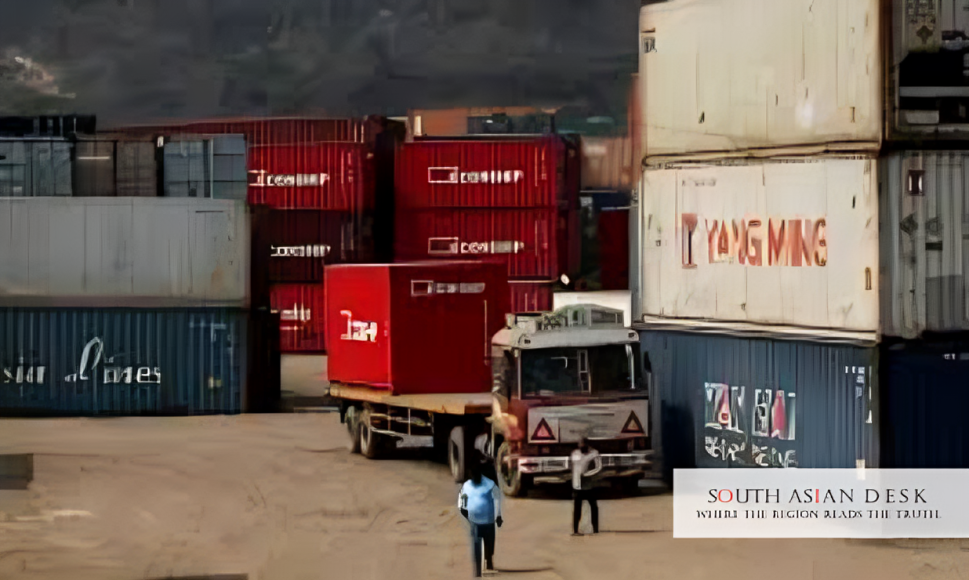
Economic aspects feature prominently. Trade via Dogharoun and Islam Qala ports totals billions annually. Updated markers could boost commerce, vital for Afghanistan’s economy. Iran supplies fuel and goods, while Afghanistan exports agricultural products.
Water sharing remains critical. The 1973 Helmand River Treaty allocates shares, but droughts strained compliance. The Afghanistan Iran cooperation under this pact may extend to joint monitoring.
Refugee dynamics add complexity. Iran hosts over 3 million Afghans, with 780,000 registered refugees. UNHCR data indicates voluntary returns slowed amid security concerns. The border agreement could facilitate safer passages.
Security cooperation targets narcotics. Afghanistan produces 80 percent of global opium, per UNODC. Iran seizes significant quantities at the border. Enhanced Afghanistan Iran cooperation aims to curb flows.
Political context involves Taliban governance. Since 2021, Iran engaged pragmatically, focusing on stability. The Afghanistan Iran meeting reflects this approach, avoiding broader recognition issues.
Regional implications affect South Asia. Pakistan shares the Durand Line with Afghanistan, disputed and porous. Progress on the Iran border could model similar updates elsewhere, promoting peace.
What’s Next
The immediate step is convening technical committees. The Iran-hosted meeting in 1405 will review progress on marker updates. Successful implementation of the Afghanistan Iran border agreement could lead to comprehensive pacts on trade and security.
Afghanistan Iran border agreement marks a step towards durable peace.
Published in SouthAsianDesk, February 10th, 2026
Follow SouthAsianDesk on X, Instagram and Facebook for insights on business and current affairs from across South Asia.