Afghanistan-Pakistan trade volume fell sharply in 2025 due to border closures and political tensions, with the Islamic Emirate suspending all commerce amid disputes over transit routes.
Afghanistan’s Ministry of Commerce and Industry reported on Friday, January 9, 2026, that total trade with Pakistan dropped from $2.461 billion in 2024 to $1.766 billion in 2025. The decline of $695 million stemmed from Pakistan’s closure of key crossings along the Durand Line in October 2025, prompting the IEA to suspend trade on November 12.
The Afghanistan Pakistan trade decline affects South Asia profoundly. It disrupts supply chains for essential goods, exacerbates economic pressures in both nations, and heightens regional instability. With Afghanistan landlocked and reliant on neighbours for access to ports, such interruptions threaten food security and livelihoods for millions across borders.
Pakistan Afghanistan Trade Volume: Official Figures
The trade volume between Pakistan and Afghanistan saw significant reductions across both exports and imports. Afghanistan’s exports to Pakistan decreased from $817 million in 2024 to $505 million in 2025. Pakistan’s exports to Afghanistan fell from $1.644 billion to $1.261 billion over the same period.
These figures come from Afghanistan’s Ministry of Commerce and Industry. The ministry attributed the drop to Pakistan’s unilateral actions on transit routes. Clashes at the border in October led to the closures, which Afghan officials described as politically motivated interference in trade and humanitarian matters.
Reuters, citing the ministry data, confirmed the 30% decline in bilateral trade. Despite this, Afghanistan’s overall trade rose to $13.9 billion in 2025, buoyed by shifts to routes through Iran and Central Asia.
IEA Suspends Trade with Pakistan: Response to Closures
The IEA’s decision to suspend trade with Pakistan followed weeks of disruptions. On November 12, 2025, Afghan authorities halted all commercial exchanges. This move responded to Pakistan’s closures at crossings like Torkham and Chaman.
Afghan officials stated the suspension was unavoidable due to Pakistan’s use of trade as a political tool. The IEA suspends trade with Pakistan, an action aimed at pressuring Islamabad into reopening routes without conditions.
In Pakistan, the commerce ministry acknowledged the challenges. A meeting on December 17, 2025, led by Coordinator Rana Ihsaan Afzal, discussed impacts on local traders. The ministry vowed to address issues through bilateral talks, with a focus on transparent border protocols.
Torkham Border Closure Trade Impacts
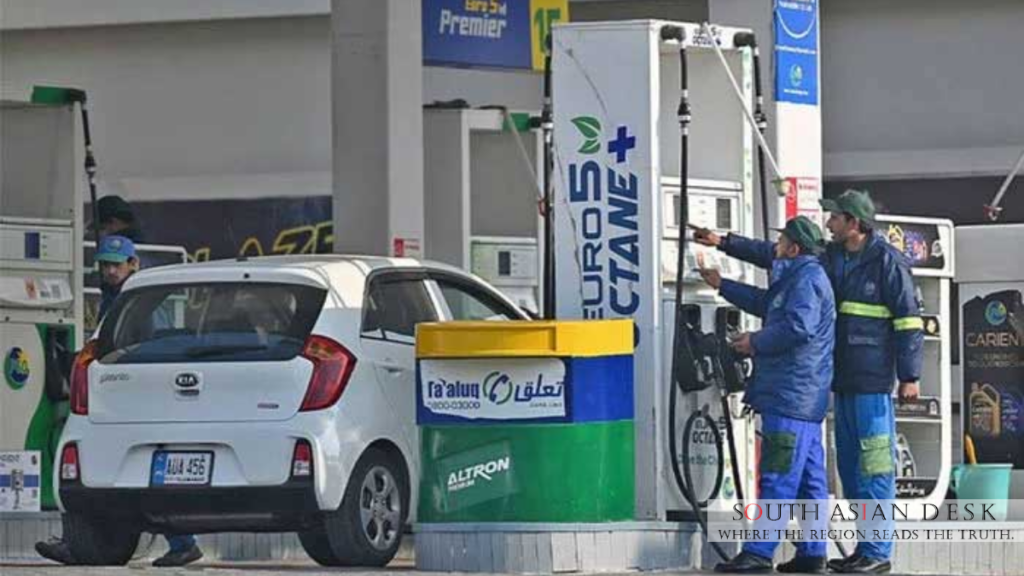
The Torkham border closure has had severe effects on trade. Torkham, a major crossing, handles a significant portion of the Pakistan-Afghanistan trade volume in goods such as coal, fruits, and machinery. Its shutdown stranded trucks and spoiled perishable items.
Chaman Crossing faced similar issues. Traders reported financial losses and an increase in unemployment. The Pak-Afghan Joint Chamber of Commerce and Industry estimated that annual trade could exceed $5 billion with stable access, but closures drastically reduced it.
Afghan exporters diverted shipments via Iran’s Chabahar port and overland through Uzbekistan and Turkmenistan. This mitigated some losses, keeping overall exports steady at $1.8 billion.
Background on Bilateral Trade Relations
Afghanistan and Pakistan have been in a state of conflict for decades, with Pakistan serving as a key transit hub. Historical volumes peaked above $2 billion annually before tensions escalated following the 2021 Taliban takeover.
Pakistan blames Afghan-based militants for attacks, leading to frequent closures. Afghanistan denies harbouring groups and accuses Pakistan of politicising borders.
In 2024, trade flowed relatively smoothly until the October clashes. The Durand Line disputes compound issues, with both sides claiming casualties in skirmishes.
The decline in Afghanistan-Pakistan trade in 2025 marks the lowest in years. Earlier data from Pakistan’s Bureau of Statistics showed exports to Afghanistan at $754 million in the first half of 2025; however, subsequent months saw sharp drops due to closures.
What’s Next for Afghanistan-Pakistan Trade Decline
Negotiations may resume in early 2026. Pakistani officials plan to escalate talks for sustainable solutions. Afghan diversification to other routes could permanently shift the balance if tensions persist.
Monitoring includes potential UN mediation on humanitarian access. Economic forecasts predict further declines unless there are reopenings.
The ongoing decline in Afghanistan-Pakistan trade underscores the need for depoliticized borders to restore economic ties.
Published in SouthAsianDesk, January 10th, 2026
Follow SouthAsianDesk on X, Instagram and Facebook for insights on business and current affairs from across South Asia.