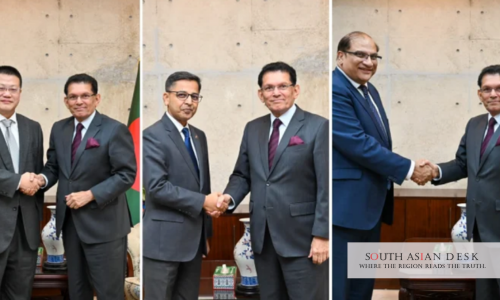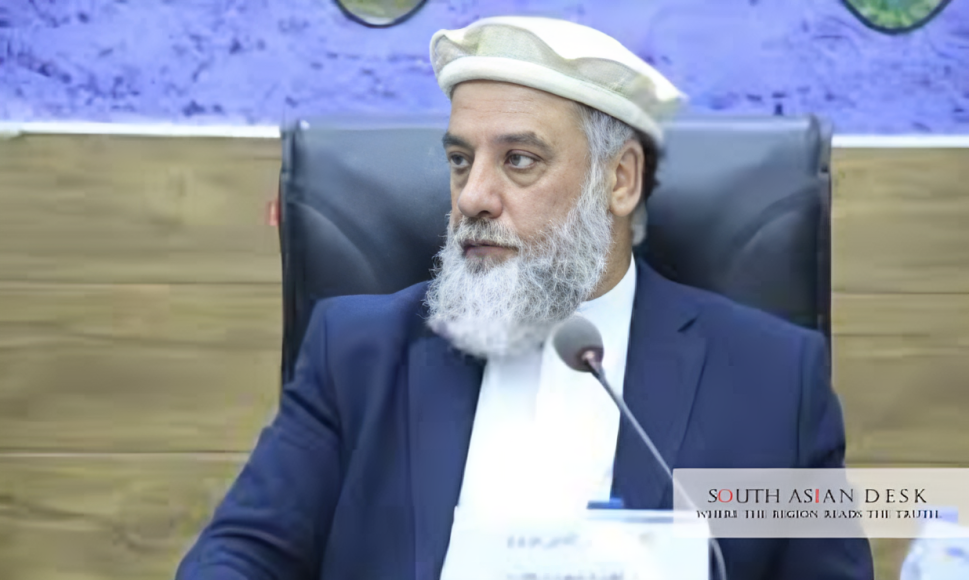
Afghanistan trade minister India investment initiatives took centre stage as Alhaj Nooruddin Azizi landed in the capital on Wednesday for talks aimed at unlocking fresh capital flows and market access.
The visit by Nooruddin Azizi, Afghanistan’s Minister of Industry and Commerce, marks a pivotal step in Nooruddin Azizi Delhi visit trade boost ambitions. Azizi, leading a high-level delegation, seeks to forge deeper economic links with India, focusing on joint ventures in key industries. Scheduled over five days, the itinerary includes meetings with Indian Commerce Minister Piyush Goyal and discussions on expanding trade corridors.
This comes as Kabul pivots from disrupted Pakistani routes, eyeing India’s Chabahar port for seamless connectivity. Why does this matter now? In South Asia’s volatile landscape, the engagement underscores New Delhi’s strategic outreach to Kabul, countering Beijing’s sway while bolstering regional stability through economic interdependence. It also highlights India’s commitment to Afghan sovereignty amid Islamabad’s border frictions, potentially reshaping transit dynamics across the subcontinent.
Nooruddin Azizi Delhi Visit Trade Boost Gains Momentum
Azizi’s arrival on November 19 triggered immediate action. He headed straight to the 44th India International Trade Fair (IITF) at Pragati Maidan. There, India Trade Promotion Organisation (ITPO) Managing Director Neeraj Kharwal welcomed him. Kharwal outlined the fair’s scope, facilities, and prospects for Afghan participation in upcoming events.
The minister toured stalls, pausing at Afghan pavilions displaying handicrafts, dry fruits, and textiles. These exhibits spotlighted Kabul’s export potential to Indian buyers. Post-tour, Azizi convened with Afghan traders in India. The session zeroed in on easing market entry barriers and scaling operations. Traders raised concerns over logistics costs and certification hurdles, with Azizi pledging streamlined approvals back home.
This Nooruddin Azizi Delhi visit trade boost aligns with broader recovery signals. Bilateral trade hit over $1 billion in the 2024-25 fiscal year, per Ariana News data citing official figures. Afghan exports to India climbed to $689.81 million, up 7.4 per cent year-on-year, driven by fruits, nuts, and minerals. Indian shipments totalled $318.91 million, featuring pharmaceuticals ($85 million), machinery ($45 million), and staples like rice and tea ($60 million combined).
Yet challenges persist. September 2025 saw Indian exports dip 19.7 per cent to $18.8 million, per Observatory of Economic Complexity records. Officials attribute this to seasonal fluctuations and lingering post-2021 disruptions. Still, momentum builds. India’s recent upgrade of its Kabul technical mission to a full embassy in October 2025 facilitates smoother consular and commercial channels.
Afghanistan’s commerce ministry underscored the stakes in a statement: “These meetings will focus on expanding economic cooperation, facilitating trade relations, creating joint investment opportunities, and strengthening Afghanistan’s role in regional transit routes.” The emphasis? Diversifying away from Pakistan, where border closures since October clashes have slashed flows.
Taliban Minister Seeks Mining Power Investments India Eyes
Taliban minister seeks mining power investments India can provide. Afghanistan, rich in untapped reserves, pitches lithium, copper, and rare earths for Indian firms. Hydroelectric ventures top the list too, with Kabul proposing joint funding for dams along the Amu Darya to export surplus power.
Azizi’s pitch resonates with India’s energy security needs. New Delhi imports 85 per cent of its oil; Afghan hydro could feed northern grids via cross-border lines. Mining appeals likewise. India’s steel giants like Tata and JSW eye Afghan ore to fuel domestic plants, cutting reliance on Australian imports.
Talks will probe incentives. Kabul offers tax holidays and land rights; India counters with technical aid and financing via lines of credit. A $500 million Indian credit line from 2023 remains untapped for such projects. Experts note Chabahar’s role: The port, operational since 2018, handled $1.6 billion in Afghan trade over the past six months—surpassing Pakistan’s $1.1 billion, per commerce ministry data.
Randhir Jaiswal, spokesperson for India’s Ministry of External Affairs, captured the vibe on X: “A warm welcome to Afghan Industry and Commerce Minister, Alhaj Nooruddin Azizi, on his official visit to India. Advancing bilateral trade and investment ties is the key focus of the visit.” Accompanying the post: A photo of Azizi descending the aircraft ramp, flanked by diplomats.
This Taliban minister seeks mining power investments India outreach builds on prior diplomacy. Last month, Afghan Foreign Minister Amir Khan Muttaqi visited Delhi, securing nods for diplomat postings. Earlier this month, External Affairs Minister S Jaishankar spoke with Muttaqi on phone, addressing border flare-ups. New Delhi’s line stays firm: “India remains fully committed to the sovereignty, territorial integrity and independence of Afghanistan,” a recent statement affirmed, critiquing Pakistan’s “cross-border terrorism.”
Afghanistan India Bilateral Trade Talks Azizi Drives Forward
Afghanistan India bilateral trade talks Azizi champions extend beyond Delhi’s halls. On Thursday, the delegation meets Goyal to hash out tariff reductions and non-tariff barriers. Pharmaceuticals lead: India supplies 70 per cent of Kabul’s drugs, valued at $100 million annually. Expansion could double that by 2027, if logistics align.
Agricultural swaps feature prominently. Afghan pomegranates and almonds flood Indian markets via airlifts, but rail links via Chabahar promise volume jumps. India eyes reciprocal access for basmati rice and wheat, easing Kabul’s food shortages post-droughts.
Data underscores urgency. World Bank figures show Afghan exports at $2.9 billion total in 2024, with India absorbing 14 per cent. Imports from India hit $1.2 billion, cementing ties. Yet, sanctions linger as hurdles. The US waiver for Chabahar in October 2025, granting six months, buys time but demands renewal.
Regional ripples amplify impact. Pakistan’s TTP attacks have soured ties, closing Torkham and Chaman passes intermittently. Result? Afghan trucks reroute 500 km via Iran, hiking costs 20 per cent. India’s $100 million aid package this year—wheat, medicines, shelters—positions it as Kabul’s lifeline, outpacing China’s $75 million pledges.
Analysts in South Asia view this as a chess move. “India’s Afghan pivot checks Chinese inroads while isolating Pakistan’s adventurism,” notes a Delhi-based think tank report. For Kabul, it means jobs: Mining alone could employ 100,000 by decade’s end.
Background: From 2021 Turmoil to Tentative Thaw
The Taliban swept back in August 2021, toppling the Ghani regime as US forces exited. India pulled staff from projects like Salma Dam and Parliament building. By June 2022, a technical team returned. Trade nosedived to $600 million in 2022 but rebounded.
October’s embassy reopen signalled thaw. Muttaqi’s visit sealed it, with phases for ambassadorial swaps. Now, Azizi’s trip tests economic waters.
What’s Next after Afghanistan Trade Minister Visits India
Post-visit, follow-ups loom. A joint working group on trade convenes in Kabul next month. India floats $300 million for mining surveys; Afghanistan reciprocates with power MOUs. Success hinges on US policy post-waiver.
Afghanistan trade minister India investment pacts, if sealed, could redefine South Asian commerce, turning conflict scars into supply chains.
Published in SouthAsianDesk, November 20th, 2025
Follow SouthAsianDesk on X, Instagram, and Facebook for insights on business and current affairs from across South Asia.