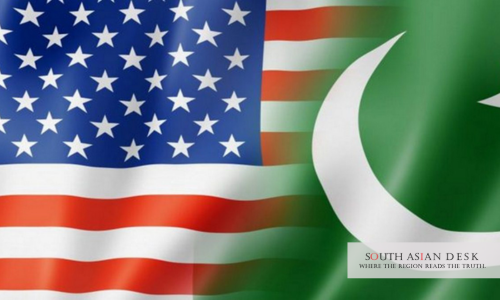
Negotiations between the Taliban and the United States over a prisoner swap remain unresolved as American academic Dennis Coyle marks one year in detention in Kabul.
Talks on an Afghanistan US prisoner exchange have not yielded an agreement, according to Taliban spokesman Zabihullah Mujahid. Dennis Coyle, a 64-year-old American from Colorado, was detained on 26 January 2025 while conducting research in Afghanistan. The United States demands his immediate release, labelling the detention as hostage diplomacy. Mujahid stressed that Afghans held in US custody must also be freed for any deal to proceed.
The impasse highlights persistent tensions in US-Afghan relations, which affect stability in South Asia. Regional powers monitor these developments closely, as unresolved detainee issues could hinder broader diplomatic efforts and economic ties in the area.
Dennis Coyle Afghanistan Detention Details
Dennis Coyle arrived in Afghanistan nearly two decades ago to study local languages. He lived in Kabul and built ties with communities there. On 26 January 2025, Taliban forces took him from his apartment. His family reports he faces near-solitary confinement in a basement cell run by the Taliban General Directorate of Intelligence. Coyle must request permission for basic needs, such as using the bathroom.
No formal charges have been filed against him. In June 2025, the US government designated his case as wrongful detention under the Robert Levinson Hostage Recovery and Hostage-Taking Accountability Act. This status prioritises resources for his release. Taliban officials claim Coyle receives proper treatment and that court proceedings will start soon.
Coyle’s family has shared their distress. His sister, Molly Long, described him as a gentle man who embraced Afghan hospitality. She noted the family missed key events during his absence. The family launched a website to advocate for his freedom and has received bipartisan support in the US.
Mujahid No Agreement Prisoner Swap Statement
Zabihullah Mujahid addressed the situation in a statement. He confirmed that negotiations on the Afghanistan US prisoner exchange continue. “Negotiations have indeed taken place and are ongoing; however, both sides have not yet reached a final conclusion,” Mujahid said.
He added: “The Afghan government remains committed to what has been discussed with the United States. It should also be noted that Afghans have been wrongly detained by the United States and continue to be held there. Their fate, as well as the suffering of their families, is similar to that experienced by others in detention.”
Mujahid emphasised the need for results: “These talks should lead to concrete results and a final conclusion, ensuring that prisoners from both sides are released.” This reflects the Taliban’s position that any Afghanistan US prisoner exchange must address detainees on both sides.
The Taliban has linked Coyle’s case to Afghans held in US facilities, including Guantanamo Bay. One such detainee is Muhammad Rahim al Afghani, accused of ties to al-Qaeda. Past talks under previous US administrations considered swaps involving Rahim, but no deal materialised.
Taliban US Negotiations Detainees Overview
The United States maintains no diplomatic presence in Afghanistan since 2021. Qatar often mediates these discussions. The US State Department has reiterated its stance. In a statement, it said: “The Taliban should immediately release Dennis Coyle and all Americans detained in Afghanistan and end its practice of hostage diplomacy.”
The department added: “We remind all Americans, do not travel to Afghanistan. The Taliban has detained Americans for years and the U.S. Government cannot guarantee your safety.” This advisory underscores the risks amid ongoing Taliban US negotiations detainees.
At least one other American, Mahmood Habibi, remains detained. The US offers a USD 5 million reward for information on his whereabouts. Taliban officials deny holding him.
Previous releases provide context. In 2025, the Taliban freed Ryan Corbett and William McKenty in a swap for a Taliban figure convicted of drug charges. George Glezmann and Faye Hall followed in March 2025. Amir Amiri gained freedom in September 2025. These cases show that Taliban US negotiations detainees can succeed, but progress varies.
President Trump has commented on Coyle’s situation. In a recent interview, he stated he would take a strong position. His administration created a designation for state sponsors of wrongful detention in September 2025. This tool allows sanctions and restrictions. No designations have occurred yet.
Background
US-Afghan relations deteriorated after the 2021 withdrawal. The Taliban regained control, leading to detentions of foreigners. Americans with ties to Afghanistan, like Coyle, faced scrutiny. His research focused on languages, but Taliban authorities viewed his presence suspiciously.
Broader issues include Afghan detainees in US custody. Some date back to the early 2000s conflict. The Taliban demands their release as part of any deal. This reciprocity complicates the Afghanistan US prisoner exchange.
South Asian implications arise from these tensions. Neighbouring countries, such as Pakistan and India, engage with the Taliban on security and trade. Unresolved detainee matters could strain these ties. For instance, Pakistan hosts talks and borders Afghanistan, making stability vital.
Economic factors play a role. Afghanistan seeks recognition and aid. The US withholds funds due to human rights concerns, including detentions. A successful prisoner swap might open doors for dialogue.
What’s Next
Future steps depend on mediators like Qatar. Taliban sources indicate no more unilateral releases without concessions. US officials push for immediate action on Coyle.
Analysts suggest a deal could emerge if the US addresses Afghan detainees. President Trump’s approach may accelerate efforts. Family advocates continue lobbying. The Afghanistan US prisoner exchange remains key to potential breakthroughs.
Discussions on the Afghanistan US prisoner exchange could shape future relations.
Published in SouthAsianDesk, January 28th, 2026
Follow SouthAsianDesk on X, Instagram and Facebook for insights on business and current affairs from across South Asia.