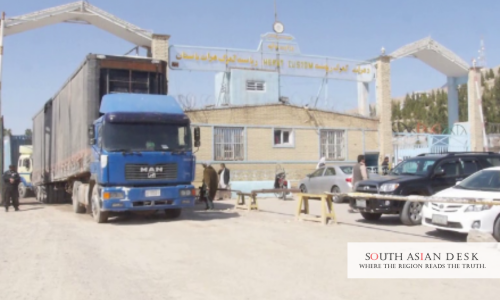
On January 26, Afghanistan marked International Customs Day, emphasizing the critical role of customs in economic development and trade facilitation. Positioned at the crossroads of Central Asia, South Asia, and the Middle East, Afghanistan’s customs offices are vital gateways for trade and significant contributors to national revenue.
Major Afghan ports, including Torkham, Spin Boldak, Islam Qala, Aqina, and Hairatan, handle substantial volumes of goods annually, fostering trade growth, boosting revenues, and creating job opportunities. Economic expert Mohammad Nabi Afghan highlighted the need for modern tools and specialized education in customs to align with international standards.
The Ministry of Economy of the Islamic Emirate of Afghanistan has implemented digitalization of customs processes, enhanced revenue monitoring, and improved coordination with neighboring countries to increase transparency and reduce smuggling. Deputy Minister Abdul Latif Nazari emphasized the eradication of corruption and the electrification of customs as key achievements.
University professor Sayed Masoud noted that customs are instrumental in executing government economic policies and supporting domestic production. Experts agree that Afghanistan’s economic future hinges on the efficiency of its customs system, which, if managed with transparency and infrastructure investment, could become a cornerstone of economic stability and growth.
Published in SouthAsianDesk, January 27th, 2026
Follow SouthAsianDesk on X, Instagram and Facebook for insights on business and current affairs from across South Asia.