Balochistan’s investment chief met UAE’s consul general in Karachi to explore economic ties, focusing on halal meat exports UAE, shrimp farming Balochistan, and used oil recycling Hub. The talks aim to host conferences and advance joint ventures.
Balochistan UAE investment discussions signal enhanced economic collaboration between Pakistan and the UAE, vital for South Asia’s stability amid regional trade shifts. Such partnerships could drive growth in underdeveloped areas like Balochistan, fostering job creation and infrastructure amid broader Gulf investments in the region.
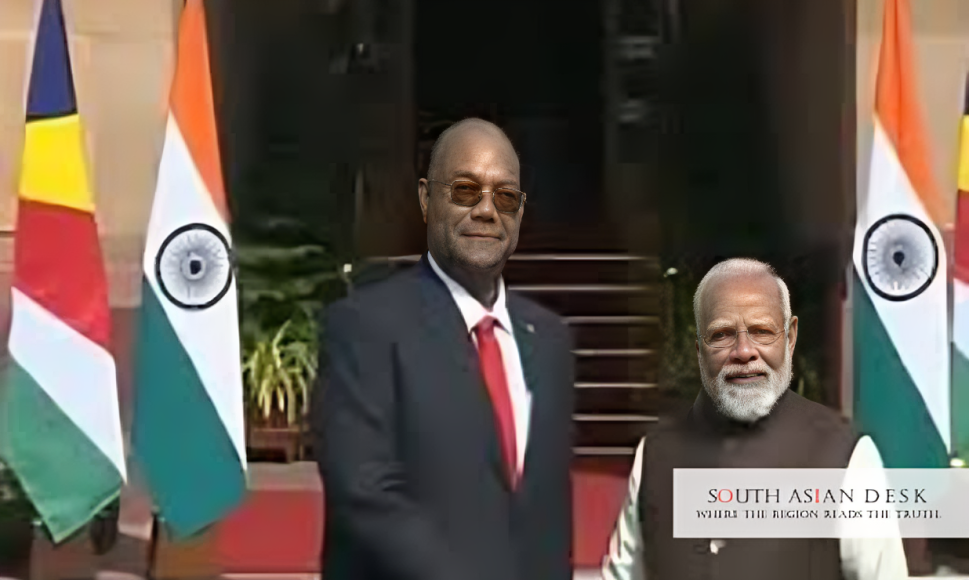
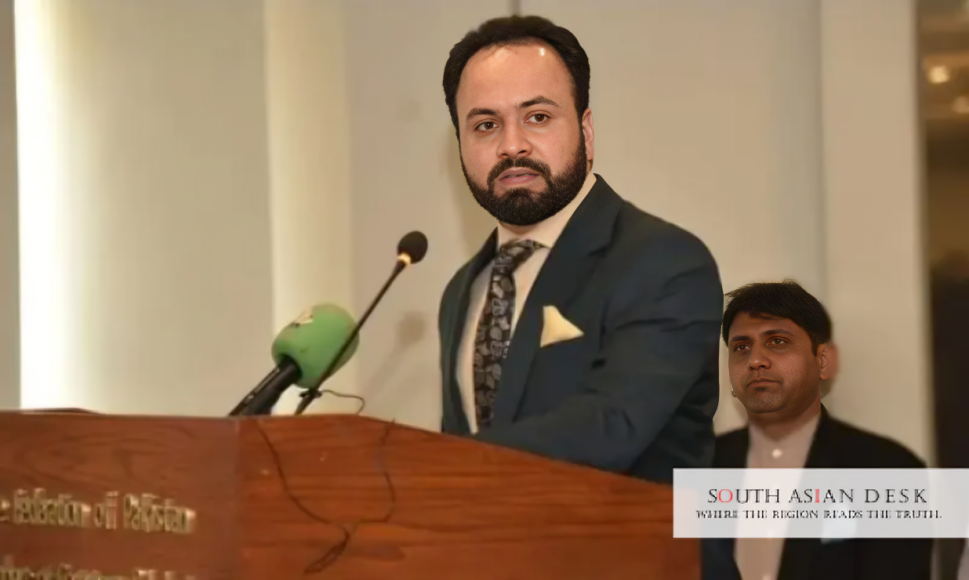
Vice Chairman of the Balochistan Board of Investment and Trade (BBoIT), Bilal Khan Kakar, held talks with UAE Consul General Dr Bakheet Ateeq Al Rumaithi at the UAE Consulate in Karachi. The meeting reviewed plans for investment conferences in Karachi and Abu Dhabi. Progress on the 100-kilometre Rhode Grass Project in Balochistan was discussed. Mr Kakar thanked the UAE for support in development projects. He stated: “Growing interest of UAE leadership and investors in agriculture, livestock, energy, and environmental protection reflects strong potential for deeper cooperation.” Dr Al Rumaithi expressed interest in Balochistan opportunities and reaffirmed UAE commitment to economic ties.
Halal Meat Exports UAE Expansion
Halal meat exports UAE emerged as a core focus in Balochistan UAE investment talks. The discussions highlighted expanded collaboration in the livestock sector. Balochistan produces significant livestock, with potential for increased exports to meet UAE demand. Official data from Pakistan’s Ministry of Commerce shows UAE as a key market for Pakistani meat, with exports valued at USD 150 million in 2025. BBoIT aims to facilitate joint ventures to boost processing and supply chains. Mr Kakar noted UAE interest in sustainable sourcing from Balochistan farms.
Livestock contributes 14% to Balochistan’s GDP, per government reports. Halal meat exports UAE could add PKR 10 billion annually if scaled. Challenges include certification standards and logistics. The meeting addressed these through proposed UAE technical aid.
Shrimp Farming Balochistan Initiatives
Shrimp farming Balochistan featured prominently in the Balochistan UAE investment dialogue. Joint initiatives were explored to develop coastal aquaculture. Balochistan’s 700-kilometre coastline offers ideal sites for shrimp production. The government has initiated a 100-acre model shrimp farm project, as per Fisheries Department data. UAE expertise in marine farming could accelerate this.
Production targets aim for 5,000 tonnes annually within three years. Shrimp farming Balochistan aligns with UAE food security goals. Discussions included technology transfer and investment in hatcheries. Dr Al Rumaithi highlighted mutual benefits in sustainable fisheries. Prior UAE investments in Pakistan’s agriculture exceed USD 500 million, per UAE Ministry of Economy.
Used Oil Recycling Hub Development
Used oil recycling Hub was another key area in Balochistan UAE investment talks. Plans for a recycling plant in Hub industrial zone were reviewed. Hub processes industrial waste from across Pakistan. The project could handle 50,000 tonnes of used oil yearly, reducing environmental hazards. BBoIT estimates investment at PKR 2 billion.
Used oil recycling Hub supports UAE environmental commitments under its Green Agenda 2030. Joint registration of Pakistani firms in UAE was discussed to ease operations. This builds on earlier meetings, like the August 2025 session at UAE Consulate Karachi.
Background
Pakistan-UAE relations have strengthened through economic pacts. In May 2024, UAE pledged USD 10 billion for Pakistani sectors, including energy and infrastructure. A January 2026 presidential visit reviewed trade ties, with UAE investments surpassing USD 10 billion over 20 years. Balochistan UAE investment fits this framework, targeting minerals and agriculture. Reko Diq project in Balochistan involves international stakes, with exports via PIBT terminal. Saudi interest in Balochistan parallels UAE efforts, but UAE focuses on trade facilitation.
Official MoUs signed in April 2025 established a joint business council. Balochistan’s economy relies on mining and farming, contributing 3% to Pakistan’s GDP. Security improvements under SIFC have attracted foreign funds. Halal meat exports UAE grew 20% in 2025, per commerce ministry. Shrimp farming Balochistan pilots yield 2 tonnes per acre. Used oil recycling Hub addresses 30% of Pakistan’s waste oil.
What’s Next
Future steps include hosting the Karachi investment conference by March 2026. BBoIT will coordinate with UAE on project feasibility. Halal meat exports UAE protocols may finalise by mid-2026. Shrimp farming Balochistan expansions depend on joint funding. Used oil recycling Hub construction could start in 2027. Monitoring regional stability remains key.
Balochistan UAE investment holds promise for sustained growth through targeted collaborations.
Published in SouthAsianDesk, February 10th, 2026
Follow SouthAsianDesk on X, Instagram and Facebook for insights on business and current affairs from across South Asia.