Bangladesh is dispatching emergency relief humanitarian aid to Afghanistan, including food and blankets, to support survivors of a deadly earthquake.
Bangladesh Sends Aid to Earthquake-Hit Afghanistan
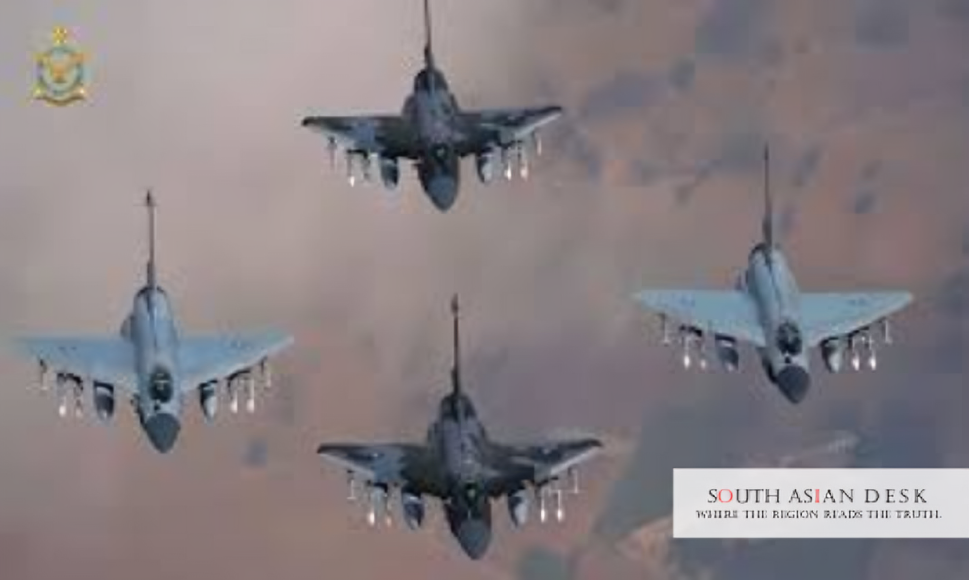
On Friday, September 5, 2025, Bangladesh’s government, under the chief adviser’s directive, sent emergency relief items to Afghanistan via Air Force flight from Dhaka to aid over 2,200 victims of a September 1, 2025, earthquake, addressing urgent needs in Kunar province.
This aid strengthens South Asian solidarity, showcasing Bangladesh’s role in regional humanitarian efforts amid Afghanistan’s ongoing crises, fostering cooperation in a seismically active region shared with Pakistan and India.
Details of Bangladesh’s Relief Effort
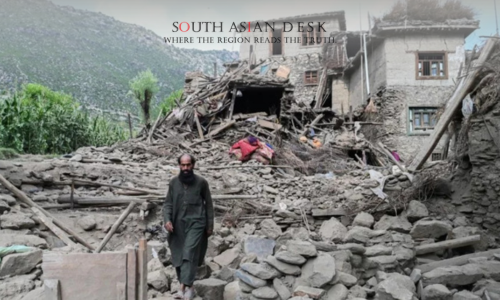
A magnitude 6.0 earthquake struck eastern Afghanistan on Sunday, August 31, 2025, at 11:47 PM local time, killing over 2,200, injuring more than 3,640, and destroying over 8,000 homes, primarily in Kunar province. Bangladesh responded swiftly, with the Ministry of Foreign Affairs announcing on Thursday, September 4, 2025, a consignment of relief items. According to the Ministry on X, the aid includes dry food, baby food, blankets, winter clothes, tents, drinking water, and essential medicines, transported by a Bangladesh Air Force flight departing Dhaka on Friday.
Bangladesh Emergency Relief Items to Afghanistan 2025
The relief package targets immediate needs in Afghanistan’s rugged eastern provinces. Dry food and baby food address acute hunger, with 23.7 million Afghans needing humanitarian support in 2025. Blankets and winter clothes are critical as September temperatures drop in Kunar’s mountainous terrain. Tents provide shelter for thousands left homeless, while drinking water and medicines tackle health risks in areas with collapsed infrastructure. The Bangladesh Garment Manufacturers and Exporters Association (BGMEA) and PRAN-RFL Group contributed to the effort, building on their 2022 aid for a Paktika earthquake.
Regional and International Response
Bangladesh’s aid aligns with broader international efforts. According to India’s Ministry of External Affairs on X, India sent 1,000 tents and 15 tons of food supplies, with promises of further medical aid. The UN’s Office for the Coordination of Humanitarian Affairs (OCHA) reports that the World Health Organization received USD 6.3 million to restore health services in Nangarhar and Laghman provinces. The International Rescue Committee (IRC) noted that entire villages were destroyed, with director Sherine Ibrahim stating, “This earthquake is likely to dwarf the humanitarian needs caused by the 2023 Herat quakes.”
Challenges in Aid Delivery
Delivering aid to Afghanistan’s remote areas is fraught with challenges. Heavy rains and landslides have blocked roads, complicating ground access. The Taliban’s appeal for international aid, coupled with their governance since 2021, has limited large-scale foreign involvement due to sanctions and frozen assets worth USD 3.5 billion. Bangladesh’s Air Force flight bypasses some logistical hurdles, but the scale of destruction—over 8,000 homes razed—demands sustained support. According to OCHA, 22.9 million Afghans require assistance in 2025, strained by economic collapse and restricted women’s rights.
South Asian Solidarity in Action
Bangladesh’s contribution reflects a history of regional support, following its 2022 aid to Afghanistan after a 1,000-death quake in Paktika. The effort, directed by Chief Adviser Muhammad Yunus, underscores Dhaka’s growing role in South Asian humanitarian leadership. Pakistan and India, also affected by tremors due to shared tectonic plates in the Hindu Kush, face similar seismic risks, making Bangladesh’s response a model for cross-border cooperation.
Background
Afghanistan lies on the Indian-Eurasian tectonic plate boundary, making it prone to earthquakes. The August 31 quake, centred 37 km west-southwest of Asadabad at a shallow 8 km depth, followed a 5.5-magnitude aftershock on Tuesday, September 2, 2025, and a 6.2-magnitude quake on Thursday, September 4, 2025. These compound Afghanistan’s crises, with 23.7 million people needing aid in 2024 due to conflict, poverty, and climate shocks like floods. Bangladesh, itself vulnerable to climate disasters, has faced cyclones and floods in 2024, affecting 18 million, yet prioritizes regional aid.
What’s Next
As rescue operations continue, focus will shift to long-term recovery, including rebuilding homes and health facilities. Bangladesh’s government has indicated potential for further aid, pending assessments. The international community, including India and UN agencies, will likely scale up support, but funding gaps persist. With Afghanistan’s humanitarian needs escalating, Bangladesh emergency relief items to Afghanistan 2025 highlight the importance of sustained regional cooperation.
The earthquake’s devastation has left entire communities in Kunar, Nangarhar, and Laghman provinces without shelter or basic services. Bangladesh’s rapid response, coordinated from Dhaka, addresses immediate survival needs while reinforcing South Asian unity. The Air Force’s delivery of essentials like tents and medicines is a lifeline for survivors facing cold nights and limited healthcare. However, the crisis’s scale—over 2,200 dead and thousands homeless—requires ongoing global attention.
The involvement of private sector partners like BGMEA and PRAN-RFL underscores Bangladesh’s collaborative approach, mirroring its domestic resilience efforts against floods and cyclones. The UN’s 2025 Humanitarian Needs and Response Plan for Afghanistan, seeking USD 2.42 billion, highlights the funding shortfall, with only 28% secured for prior crises. Bangladesh’s aid, while significant, is a fraction of what’s needed to stabilize Afghanistan’s economy and infrastructure.
Regional dynamics add complexity. Pakistan’s government has been urged to halt Afghan deportations amid the crisis, as 2.5 million refugees have returned in 2025, many to ruined villages. India’s parallel aid efforts, including tents and food, complement Bangladesh’s contribution, but coordination remains critical to avoid duplication. The Taliban’s limited capacity to manage aid distribution, coupled with international sanctions, poses further hurdles.
As winter approaches, the need for blankets and tents grows urgent. Bangladesh’s experience with disaster response, honed through its own climate challenges, positions it to lead by example. The earthquake’s impact extends beyond Afghanistan, with tremors felt in Islamabad and northern India, reminding South Asia of shared vulnerabilities. Long-term, rebuilding resilient infrastructure will be key, with Bangladesh’s aid setting a precedent for future cooperation.
The focus now is on ensuring aid reaches remote areas and addressing secondary risks like disease outbreaks in crowded shelters. Bangladesh emergency relief items to Afghanistan 2025 serve as a vital step in supporting survivors and reinforcing regional solidarity in a time of crisis.
Published in SouthAsianDesk, September 5th, 2025
Follow SouthAsianDesk on X, Instagram, and Facebook for insights on business and current affairs from across South Asia.