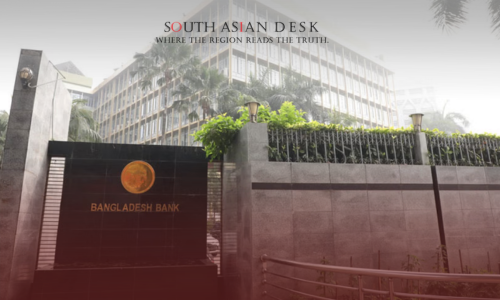
The Bangladesh banking sector is grappling with severe challenges, requiring an estimated $5 billion to $6 billion to stabilize troubled institutions. Years of mismanagement and widespread irregularities have left many banks burdened with non-performing loans, some reaching up to 80% of their total loan portfolios. This financial strain stems from a lack of governance, with regulatory bodies like the central bank and securities commission weakened, allowing unchecked loan disbursements and asset depletion.
The interim government has initiated short-term reforms to stabilize the economy, which is showing early signs of recovery but remains fragile. Long-term solutions, including structural changes to prevent future mismanagement, are planned for a future elected government. Economists emphasize that restoring institutional accountability is key, as public trust in banks has eroded due to systemic looting. For instance, some institutions, like the Investment Corporation of Bangladesh, were found stripped of assets upon recent inspections.
What’s Next for Bangladesh Banking Sector
Social media discussions on X highlight public frustration, with users calling for transparent reforms and stronger oversight to protect depositors’ funds. The crisis, compounded by a liquidity crunch and rising non-performing loans (with some banks reporting over 20% NPL ratios as of mid-2023), underscores the need for immediate action. The government aims to safeguard depositors while addressing deep-rooted issues in the financial sector to prevent further economic instability.
Published in SouthAsianDesk, July 27th, 2025
Follow SouthAsianDesk on X, Instagram, and Facebook for insights on business and current affairs from across South Asia.