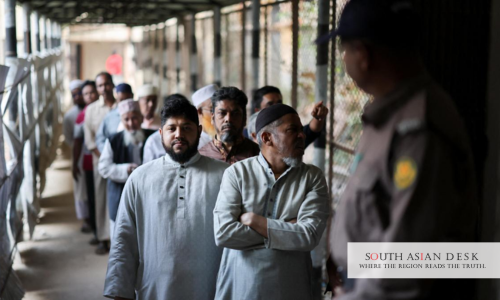
Millions queued at polling stations across Bangladesh on Thursday as the nation held its first competitive election since the 2024 uprising ousted Sheikh Hasina. Polls opened at 8:00 AM under heavy security, with BNP and Jamaat-e-Islami as main contenders.
The Bangladesh election 2026 holds significance for South Asia, signalling a potential shift towards stable democracy in a region plagued by political volatility. A successful vote could inspire reforms in neighbouring countries like Pakistan and India, where similar youth-led movements simmer.
Bangladesh Polls 2026 Underway with High Stakes
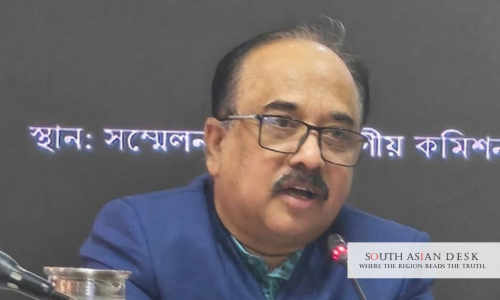
Voting commenced at 8:00 AM and is set to close at 4:30 PM in the Bangladesh polls 2026. The Election Commission deployed over 800,000 security personnel, including army and police, to guard 42,000 polling centres. Chief Election Commissioner AMM Nasir Uddin stated: “There will be no staged election in this country.” This marks the 13th Jatiya Sangsad election, concurrent with a referendum on constitutional reforms to curb authoritarianism, such as term limits for prime ministers and judicial independence.
Nearly 127 million eligible voters, including 62 million women, are participating. Early reports indicate strong turnout in urban areas like Dhaka, where long lines formed despite morning fog. In rural districts, enthusiasm among first-time voters, many from the Gen Z cohort behind the 2024 protests drives participation. Interim chief adviser Muhammad Yunus, after casting his ballot, called it “a great day for all of Bangladesh, a day of liberation.” He emphasised the referendum’s role in transforming governance.
However, incidents marred the process. In Gopalganj, Hasina’s former stronghold, an explosive device injured two paramilitary members and a 14-year-old girl at a polling station. Police collected evidence, but no arrests were reported by midday. Voter presence in Gopalganj remained low, with centres described as near-empty, reflecting the Awami League’s ban and boycott calls. Hasina, in exile in India, labelled the Bangladesh election 2026 a “sham” via her son.
Tarique Rahman Election Bid Leads Frontrunners
Tarique Rahman, BNP acting chairman, cast his vote in Dhaka and urged citizens to participate to “usher in a new chapter.” The Tarique Rahman election campaign positions the BNP as frontrunners, with opinion polls showing an edge over rivals. BNP Secretary-General Mirza Fakhrul Islam Alamgir, voting in Thakurgaon, echoed this: “Today marks a new journey for democracy in Bangladesh.”
The BNP pledges economic revival, anti-corruption measures, and better ties with South Asian neighbours. Rahman, returning from 17 years in exile, promises a “top-down, no-tolerance” approach to graft. The party contests most of the 300 seats, aiming for a majority to form government by late February.
Jamaat-e-Islami Bangladesh Challenges with Coalition
Jamaat-e-Islami Bangladesh leads an 11-party coalition, including youth activist groups from the 2024 uprising. Party chief Shafiqur Rahman, after voting, said: “If the voting is held in a free and fair manner, we will accept the results.” Jamaat-e-Islami Bangladesh focuses on Islamic principles, economic diversification beyond garments, and relations with regional powers.
The coalition challenges BNP dominance, appealing to conservative voters. With Awami League sidelined, the race tightens in key constituencies. Only 4% of candidates are women, drawing criticism from observers. The Election Commission counters misinformation threats, noting over 50% originates abroad, often AI-generated.
Background: From Uprising to Ballot
The Bangladesh election 2026 follows the July 2024 student protests that ended Hasina’s 15-year rule, marked by allegations of enforced disappearances and rigged polls. Yunus’s interim government formed in August 2024 to enact reforms. Six commissions proposed changes, culminating in the July National Charter 2025, now under referendum.
The interim administration neutralised state institutions for fair polls, restoring caretaker safeguards removed in 2011. Voter lists updated to 127 million from 119 million in 2024, adding young voters. International observers, including from the UN and EU, monitor proceedings. UN experts called for human rights guarantees, citing disinformation risks targeting 50 million social media users.
Security remains tight, with magistrates empowered for five days. No major disruptions beyond Gopalganj. The Bangladesh polls 2026 test the nation’s democratic resilience post-uprising.
What’s Next in Bangladesh Election 2026
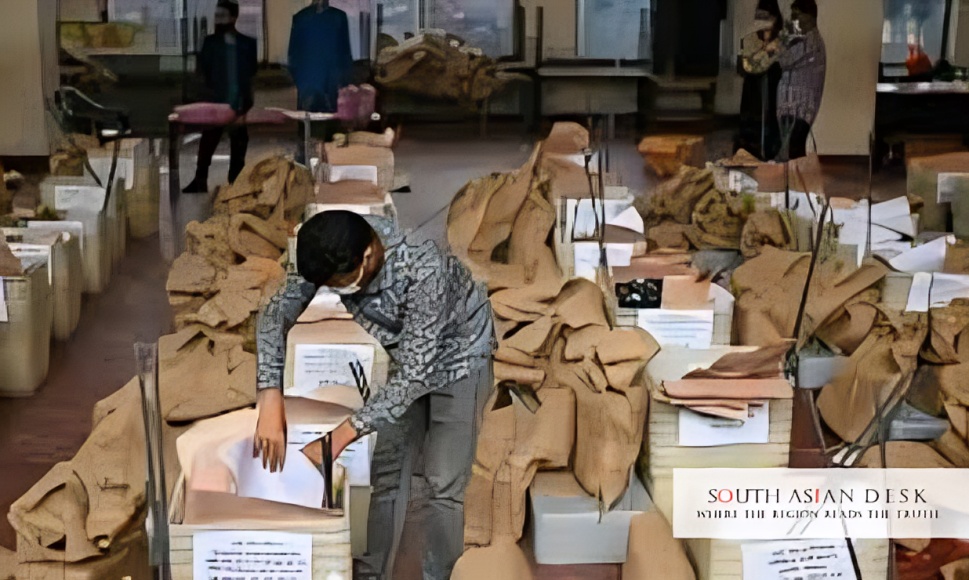
Counting begins post-4:30 PM, with provisional results by midnight and full outcomes by Friday, February 13, 2026. The winner forms government, implementing reforms if the referendum passes. Analysts predict 55% turnout, shaping South Asia’s political landscape.
The Bangladesh election 2026 could redefine governance, ending a nightmare era as Yunus described.
Published in SouthAsianDesk, February 12th, 2026
Follow SouthAsianDesk on X, Instagram and Facebook for insights on business and current affairs from across South Asia.