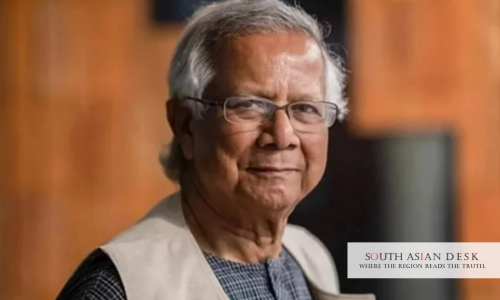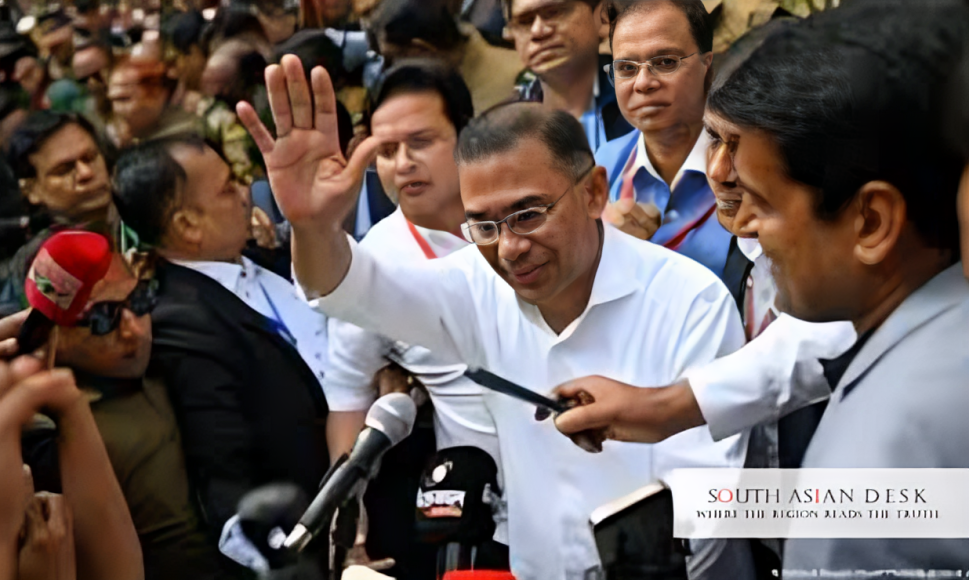
Unofficial results in Bangladesh’s general election initially showed the BNP ahead, but official tallies confirm a landslide victory for Tarique Rahman’s party.
Bangladesh election results from the February 12 poll show the Bangladesh Nationalist Party (BNP) securing a commanding majority. Tarique Rahman, BNP’s acting chairman, is poised to become prime minister. The vote, the first since the 2024 uprising ousted Sheikh Hasina, drew millions amid hopes for stability.
The Bangladesh election results mark a pivotal shift in the nation’s politics, ending two decades of Awami League dominance and signaling potential reforms in a region grappling with economic challenges and youth unrest.
Unofficial Results Bangladesh Pointed to Early Lead
Early counts in the Bangladesh election results, as reported on February 12, indicated the BNP ahead Bangladesh with strong showings in urban and rural constituencies. Al Jazeera’s coverage from Dhaka highlighted vote tallying still underway, with the BNP leading in key districts.
By evening, local TV channels broadcast unofficial results Bangladesh, projecting the Tarique Rahman BNP alliance surpassing rivals. These preliminary figures aligned with pre-poll surveys favoring the BNP after years of opposition suppression.
The Election Commission began releasing partial data late Thursday, confirming trends in the unofficial results Bangladesh. In Dhaka divisions, the BNP captured over 80% of seats, per initial announcements.
Official Bangladesh Election Results Confirm Landslide
The Bangladesh Election Commission announced progressive results on February 13, solidifying the BNP’s dominance. By midday, official counts placed the BNP at 212 seats out of 299 contested, granting a two-thirds majority in the Jatiya Sangsad.
Jamaat-e-Islami, the main opposition, secured 70 seats, while smaller parties and independents claimed the remainder. Voter turnout stood at approximately 40%, up from partial 31% reports the prior night, amid peaceful polling despite isolated incidents.
Tarique Rahman, leading the BNP from exile until his 2024 return, hailed the outcome as a “people’s victory.” In a party statement, the BNP urged calm: “Despite winning by a large margin of votes, no celebratory procession or rally shall be organised.”
The commission’s data, updated hourly, showed the BNP ahead Bangladesh in divisions like Chattogram and Khulna.
Tarique Rahman BNP Set for Governance
Tarique Rahman BNP’s success stems from promises of job creation and anti-corruption measures, outlined in their 2026 manifesto. Rahman, son of former Prime Minister Khaleda Zia, positioned the party as a stabilising force post-uprising.
The manifesto pledges to protect low-income households and ensure fair prices for farmers, addressing South Asia’s inflation woes. Rahman’s leadership, once marred by corruption allegations, now focuses on unity.
BNP Secretary-General Mirza Fakhrul Islam Alamgir stated the win enables “efficient reforms without legislative paralysis.” The party called for special prayers on February 13 for national welfare.
Background
Bangladesh’s political landscape transformed after the 2024 Gen Z-led uprising toppled Sheikh Hasina’s 15-year rule. Hasina fled amid protests over quotas and governance, leading to an interim administration under Muhammad Yunus.
The Awami League, accused of rigging prior polls, faced suspension and boycotted the vote. This opened the field for the BNP, dormant since 2006 losses, to reclaim prominence.
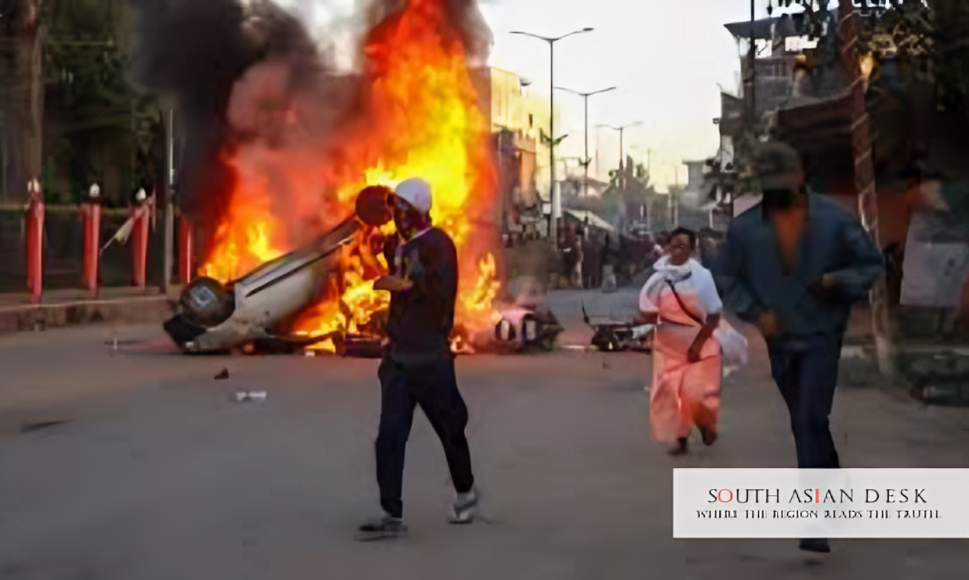
Pre-election violence claimed 16 lives, mostly in BNP-Jamaat clashes. Observers from the EU and Commonwealth noted improved transparency, though misinformation via AI deepfakes targeted leaders like Rahman.
The referendum on the July Charter, held alongside, sought to entrench democratic reforms.
Economic context fueled voter intent: unemployment at 25% among youth, with remittances vital amid garment sector strains. South Asian neighbors, including India and Pakistan, watch closely for border stability impacts.
Controversies in Bangladesh Election Results
Allegations surfaced during counting. Jamaat-e-Islami claimed BNP rigging in Lakshmipur, citing fake seals and outsider voting. BNP countered with accusations against Jamaat for inciting violence.
The Election Commission investigated 62 clashes, arresting figures with weapons and cash. Despite this, the poll was deemed the fairest in years, per international monitors.
Unofficial results Bangladesh sparked early claims, but officials urged patience. Shafiqur Rahman, Jamaat leader, conceded defeat, promising “positive opposition.”
Impact on South Asia
The Bangladesh election results could reshape regional dynamics. With BNP ahead Bangladesh, ties with India may strain over past Hasina alliances, while Pakistan relations strengthen via shared Islamist leanings.
Economic policies under Tarique Rahman BNP aim to boost trade, potentially easing South Asian supply chain pressures. Youth empowerment, a uprising legacy, features in the manifesto with proportional representation nods.
However, Jamaat’s gains raise concerns over religious conservatism influencing policy in a secular-leaning nation.
What’s Next
Tarique Rahman is expected to swear in as prime minister by late February, forming a cabinet focused on stability. The BNP plans immediate sessions to pass reforms, including anti-extortion laws.
Ongoing probes into Hasina-era crimes continue, with her death sentence in absentia. International aid, crucial for flood-prone Bangladesh, hinges on governance transparency.
The Bangladesh election results usher in an era of accountability, but sustaining momentum amid opposition scrutiny remains key.
Published in SouthAsianDesk, February 13th, 2026
Follow SouthAsianDesk on X, Instagram and Facebook for insights on business and current affairs from across South Asia.