DHAKA – Bangladesh election social media has emerged as a major front in the campaign for the February 12 parliamentary vote. Political groups use TikTok Bangladesh election content, Facebook Bangladesh election posts and YouTube Bangladesh election videos to mobilise voters, especially Gen Z. This follows the August 2024 uprising that ousted Sheikh Hasina. The interim government under Muhammad Yunus oversees the first competitive election in years, with a simultaneous referendum on the July National Charter for reforms.
Online platforms drive narratives months before on-ground rallies began on January 22. Bangladesh polls social media feature short videos, policy explainers, satire and emotional interviews. Viral songs set trends and influence discussions.
TikTok Bangladesh Election Drives Viral Content
TikTok Bangladesh election sees heavy use for quick, engaging clips. Over 56 million users aged 18+ make it a key tool for youth outreach. Viral songs dominate. A pro-Jamaat-e-Islami anthem criticises old party symbols like the boat (Awami League), sheaf of paddy (BNP) and plough (Jatiya Party). Lyrics state: “The days of boat, the sheaf of paddy and the plough have ended; the scales will now build Bangladesh.” Composer HAL Banna noted the song connected with ordinary voters after initial sharing.
The National Citizen Party (NCP), formed from 2024 protesters, released its own viral track from anti-Hasina protests. BNP countered with: “Amar agey amra, amader agey desh; khomotar agey jonota, shobar agey Bangladesh” (Us before ourselves, the country before us; people before power, Bangladesh above all).
Facebook Bangladesh Election And YouTube Bangladesh Election Expand Reach
Facebook Bangladesh election holds 64 million users. It became the initial spread point for the pro-Jamaat song in early November 2025, crossing to Instagram and TikTok. YouTube Bangladesh election, with nearly 50 million users, hosts full videos, dramatised content and explainers.
BNP uses platforms for policy promotion. Initiatives include the “Family Card” for 5 million women and households (monthly 2,000–2,500 taka or goods) and “Farmer Card” (fair prices, loans, insurance). Mahdi Amin from BNP said: “BNP remains a political party with a track record of governing the country. We have specific plans in every sector.”
Jamaat focuses on narratives. Jubaer Ahmed stated online efforts share “the narratives we believe in” and engage in intellectual competition. Anti-India memes target BNP as similar to past regimes.
Bangladesh Polls Social Media Targets Gen Z Voters
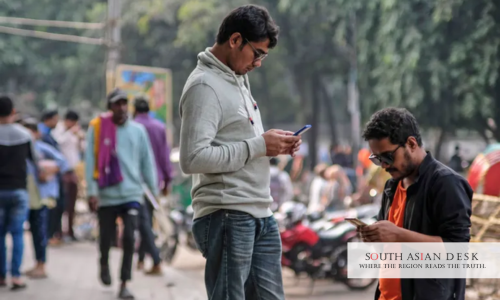
Bangladesh polls social media prioritises Gen Z (aged 18–37), who form 43.56% of voters per Election Commission data. This group led the 2024 uprising and seeks change after feeling disenfranchised in rigged past polls (2013, 2018, 2024). With 130 million internet users (74% of population per Bangladesh Telecommunication Regulatory Commission, November 2025), digital strategies reach millions.
The interim government pushes ‘Yes’ on the July Charter referendum online. Reforms include prime ministerial term limits, security force checks, judicial independence and anti-authoritarian measures. Press Secretary Shafiqul Alam said: “Legacy media is being used less and less.”
Background Of Bangladesh Election Social Media Shift
The shift to Bangladesh election social media follows Hasina’s ouster. Awami League faces a ban from activities. The contest pits BNP-led alliance against Jamaat-led alliance (including NCP). Offline rallies matter for broad reach, but online sets agendas and engages youth.
Analyst Mubashar Hasan noted BNP emphasises pledges while Jamaat attacks opponents. Qadaruddin Shishir highlighted Jamaat’s use of anti-India themes among youth.
What’s Next In Bangladesh Election Social Media
Campaigning runs until February 10. Online efforts will intensify for the February 12 vote and referendum. Bangladesh election social media could sway the young electorate and shape post-election reforms.
The battle on TikTok Bangladesh election, Facebook Bangladesh election and YouTube Bangladesh election continues to define this pivotal moment.
Published in SouthAsianDesk, January 22nd, 2026
Follow SouthAsianDesk on X, Instagram and Facebook for insights on business and current affairs from across South Asia.