Bangladesh human trafficking surges with 95% acquittal rate in migrant cases. Government drafts ordinance to overhaul probes, protect victims and align with UN standards amid thousands freed annually.
Bangladesh Human Trafficking Crisis Demands Urgent Reforms
Bangladesh human trafficking claims thousands of victims yearly. Authorities drafted a new ordinance on November 30, 2025. It targets smuggling and trafficking flaws. By 4:35 PM on Monday, August 25, 2025, data shows 95% of cases end in acquittal. Home ministry records confirm this trend over four and a half years. Victims face repeated exploitation. The law updates the 2012 act to curb delays and misclassification.
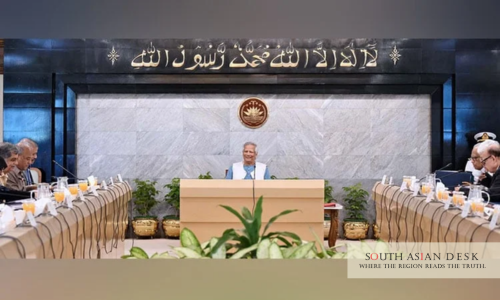
The Prevention and Suppression of Human Trafficking and Smuggling of Migrants Ordinance-2025 passed advisory council review. It separates smuggling from trafficking. Penalties rise for organised rings. Chief Adviser’s Press Secretary Shafiqul Alam announced the move. “Ensuring justice for victims is a core objective,” he said. The ordinance freezes suspect assets and restricts travel. Courts oversee these steps. Investigators gain broader powers.
Bangladesh human trafficking often involves labour migration. Men head to Middle East jobs. Women enter domestic work abroad. Rohingya refugees add vulnerability. ILO estimates 1.5 million Bangladeshis migrate yearly. Many fall into smuggling nets. Routes pass through Libya camps. Detentions and torture follow. The new law addresses online lures via social media.
Acquittals free hundreds annually. 2023 saw 1,617 suspects released. 2024 added 1,250 more. First half of 2025 freed 535. Weak evidence dooms cases. Witnesses withdraw under duress. Delays plague courts. The ordinance streamlines trials. It bolsters witness safeguards. Victims cannot drop complaints easily.
South Asia battles similar flows. India and Nepal report cross-border cases. Bangladesh serves as source and transit hub. Stronger laws aid regional pacts. UN protocols guide efforts. Ratification of smuggling conventions lags. This ordinance fills gaps.
Bangladesh Trafficking New Law Targets Smuggling Loopholes
Bangladesh trafficking new law introduces a dedicated smuggling chapter. Earlier laws lumped it with trafficking. This caused mismatches. Section 5 sets 3-10 years jail for smuggling. Fines start at Tk 100,000. Capital punishment stays for groups under Section 8. Life terms apply to severe cases.
The ordinance empowers probes. Officers seize documents swiftly. Digital evidence from apps counts. Platforms face reporting duties. Violations draw fines. Shafiqul Alam highlighted UN alignment. The law meets Palermo Protocol standards on migrant smuggling.
Drafting spanned months. Home ministry consulted NGOs. Justice and Care’s Tariqul Islam praised it. “This is a critical step forward,” he said. “It opens new avenues for prosecuting criminals who profit from exploiting vulnerable migrants.” BRAC’s Shariful Hasan stressed rollout. “Implementation including awareness campaigns is key,” he noted.
Cases often misfiled. A 2019 Sabujbagh incident shows why. A man paid Tk 4.65 lakh for Iraq work. Traffickers diverted him to Libya. Extortion added Tk 2 lakh. Six accused walked free in January 2024. Court cited wrong charges. Smuggling elements lacked proof under 2012 rules. The new framework clarifies definitions. Smuggling involves border crossing aid for gain. Trafficking adds exploitation. Tribunals activate fully. ILO urged this in 2020. Bangladesh yet ratifies smuggling protocol. Ordinance paves way.
Data collection improves too. UNODC’s GLO.ACT aids digitisation. Ministry of Home Affairs leads. Annual reports track trends. Domestic and cross-border flows feature. Recommendations build evidence bases.
Human Trafficking Acquittal Bangladesh: Data Reveals Systemic Failures
Human trafficking acquittal Bangladesh hits 95% average. Home ministry tallied from 2020. That year 13 of 14 cases freed 43 accused. 2021 acquitted both filed. 2022 saw all 34 cases drop, releasing 150. 2023 acquitted 415 of 436, freeing 1,617. 2024 mirrored with 342 of 363, 1,250 out. 2025 first half: 132 of 141, 535 released.
Reasons trace to old provisions. Investigation delays confuse inquiries. Cognizance rules slow starts. Misclassification buries evidence. Smuggling filed as trafficking misses key proofs. Courts dismiss for gaps.
Victims suffer most. Withdrawals stem from threats. Protection weak. Ordinance mandates safeguards. Shelters expand. Legal aid funds grow. National Anti-Human Trafficking Fund rules from 2017 guide allocations. Police data logs monthly. Counter Trafficking-in-Persons Unit monitors. Yet backlogs mount. 2024 filed 363 cases. Disposed fewer. Pending swells queues.
NGOs push training. BRAC runs youth platforms. They spot lures early. ILO calls for capacity builds. Law enforcement needs skills. Justice system requires speed. Regional ties matter. South Asian networks span borders. India shares intel. SAARC pacts falter. Bangladesh leads with ordinance.
Bangladesh Anti-Trafficking Ordinance: Protections and Penalties
Bangladesh anti-trafficking ordinance retains harsh sentences. Death for organised trafficking. Life for aggravated smuggling. Fines scale with harm. Asset freezes hit profits. Banks comply on orders.
Witness rules tighten. Coercion bans outright. Safe houses multiply. Returnees get rehab. Expatriate cells aid abroad. Online focus sharpens. TikTok and Facebook draw scrutiny. Recruiters post fake jobs. Ordinance fines platforms. Reports mandatory.
Implementation roadmap forms. Awareness campaigns launch. Schools teach risks. Migrants get pre-departure briefs. GLO.ACT supports studies. First national TIP survey maps flows. Domestic trafficking rises. Women and children hit hard. Challenges persist. Corruption erodes trust. Rural poor migrate blindly. Economic woes fuel demand.
Background: Evolution of Anti-Trafficking Efforts
Bangladesh enacted 2012 law post-ratifying Palermo. It covers prevention and suppression. Victim rights embed. Safe migration clauses add. National Plan 2018-2022 guides. Updated to 2025. Focuses coordination. UN, NGOs partner. Annual reports detail. 2018 noted cross-border ops. Emigration Ordinance 1982 aids passports. Penal Code 1860 backs. Children Act 2013 protects minors.
Post-2024 unrest, interim government prioritises. Yunus advisory pushes reforms. South Asia context: Nepal sources brides. India transits. Bangladesh sends labour. Global rank improves. US TIP report notes strides. Yet Tier 2 watch lingers.
What’s Next: Rollout and Regional Impact
Cabinet approves ordinance soon. Gazette publishes by year-end. Tribunals train staff. Campaigns hit media. Partnerships deepen. ILO aids enforcement. Bangladesh human trafficking fight gains tools. Success hinges on action.
Published in SouthAsianDesk, November 30th, 2025
Follow SouthAsianDesk on X, Instagram, and Facebook for insights on business and current affairs from across South Asia.