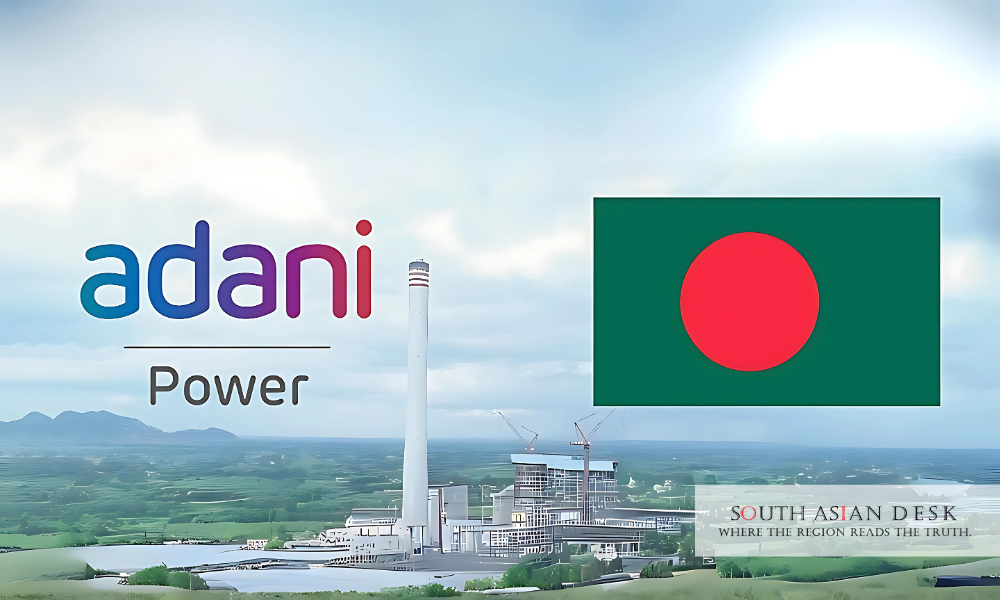
As electricity needs soar in the garment manufacturing heartland, Dhaka ramps up cross-border energy ties with New Delhi, raising questions on long-term regional stability.
Bangladesh power imports boosted from India by 70% in the first seven months of 2025, primarily from an Adani Power-operated coal plant, while lifting fuel oil usage to counter rising electricity demand and avert blackouts, according to government data. This shift, driven by gas shortages and coal maintenance issues, began in March and affects the densely populated industrial hubs of Dhaka and Chittagong.
Why It Matters
In a region where energy underpins economic growth, Bangladesh’s pivot to imported electricity highlights the fragility of South Asia’s power grids amid climate pressures and industrial expansion. For nations like Pakistan and Sri Lanka facing similar shortages, this underscores the need for diversified regional energy pacts to sustain manufacturing booms and prevent economic ripple effects across borders.
Bangladesh Power Imports Hit Record High in 2025
Bangladesh’s Bangladesh power imports from India reached a pivotal milestone this year, with the share of imported electricity climbing to 15.4% in the January-to-July period, up from 9.5% the previous year. This surge, detailed in official government figures, stems largely from supplies via the Adani Power-run facility in eastern India, bolstering the national grid during peak hours. The escalation addresses a critical gap, as domestic generation struggles to keep pace with urbanisation and factory expansions.
A senior official from the Bangladesh Power Development Board (BPDB) explained the necessity of this move, stating anonymously, “The government didn’t have many choices. To avoid blackouts, they turned to imports, and Adani’s power was available in large volume.” This reliance on cross-border flows, facilitated through existing bilateral agreements, has prevented disruptions in key sectors like textiles, which consume nearly 60% of the country’s electricity.
The uptick in India electricity exports to Bangladesh aligns with broader South Asian trends, where interconnected grids are increasingly vital. Yet, it also exposes vulnerabilities: transmission losses and geopolitical tensions could disrupt supplies, prompting calls for enhanced infrastructure like high-voltage lines.
Rising Electricity Demand in Bangladesh Fuels Urgent Shifts
The Bangladesh electricity demand has accelerated sharply since March 2025, propelled by sweltering summer heat and relentless industrial activity. Government data indicates this rise has strained resources, with natural gas-fired plants—once accounting for two-thirds of output—now dipping to 43.9% from 46.8% in the same timeframe. Shafiqul Alam, a Bangladesh-based analyst at the Institute for Energy Economics and Financial Analysis, noted, “When power demand started increasing since March, they had to increase imports and fuel oil-based power generation.”
This demand spike, estimated at over 10% year-on-year, reflects Bangladesh’s economic ascent, with garment exports projected to exceed $50 billion in 2025. However, it has forced a tactical retreat from cleaner sources: domestic coal-fired output fell to 26.2% from 30.1%, hampered by scheduled maintenance outages at major plants.
Fuel Oil Use in Bangladesh Power Plants Rises to Bridge Gaps
To mitigate shortfalls, Bangladesh has elevated the role of fuel oil use in Bangladesh power plants, with its contribution edging up to 12.6% from 11.9% in the first seven months of 2025. This adjustment, per official statistics, prioritises cost-effectiveness amid constrained alternatives. Adeeba Aziz Khan, director of Summit Power, a key private operator, elaborated, “It’s about cost effectiveness, and gas is required for the fertiliser industry, whereas cheap electricity can be received from other sources, including fuel oil.”
Khan further highlighted systemic challenges, adding, “There is a shortage of gas for electricity generation and evacuation problems,” and expressing scepticism about a near-term revival in gas-based power. Despite a 24% increase in liquefied natural gas (LNG) imports through July—tracked by analytics firm Kpler—gas-fired generation declined by 1.2%, underscoring pipeline pressures and technical glitches in existing facilities.
This pivot to fuel oil, while providing immediate relief, carries environmental costs, with higher emissions potentially clashing with Bangladesh’s commitments under the Paris Agreement. Regional experts view it as a stopgap, urging investments in renewables to stabilise the grid.
Adani Power Bangladesh Imports Bolster Regional Ties
Central to the Adani Power Bangladesh imports strategy is the Indian conglomerate’s coal-fired plant, which has emerged as a reliable supplier amid Dhaka’s energy crunch. These imports, ramping up since early 2025, have not only met surging needs but also deepened economic interdependence between the neighbours. Bilateral pacts, renewed in recent years, facilitate this flow, with payments settled in Indian rupees to ease currency strains.
However, the arrangement isn’t without hurdles. Gas supply constraints Bangladesh energy sector woes, including pressure-related issues in pipelines, have idled many plants below capacity. A BPDB assessment points to these as primary culprits, alongside coal disruptions, forcing a 70% hike in cross-border purchases.
South Asia Energy Trade India Bangladesh Gains Momentum
The evolving South Asia energy trade India Bangladesh landscape exemplifies pragmatic cooperation, yet it amplifies calls for multilateral frameworks. While LNG imports offer a buffer, their integration remains uneven, with evacuation bottlenecks limiting benefits. LNG imports increase Bangladesh 2025 figures show promise, but experts like Alam warn of over-reliance on volatile global markets.
In parallel, Bangladesh coal plant maintenance issues have compounded the crisis, with outages at facilities like Rampal reducing output by nearly 4%. These scheduled downtimes, essential for safety, coincide unluckily with peak demand, exacerbating the need for alternatives.
Background
Bangladesh’s energy landscape has transformed dramatically over the past decade, evolving from near-total dependence on natural gas to a diversified mix incorporating imports and liquids. The BPDB, established in 1972, oversees this sector, procuring power from over 50 plants with a combined capacity exceeding 27,000 MW. Yet, per capita consumption lags at around 600 kWh annually—far below India’s 1,200 kWh—driving the push for expansion. Historical ties with India, formalised through a 2010 power-sharing agreement, have scaled up, with exports tripling since 2020. This backdrop of rapid industrialisation, coupled with climate-induced demand variability, sets the stage for 2025’s adjustments.
What’s Next
As Bangladesh power imports continue to anchor stability, policymakers eye hybrid solutions like solar integration and grid interconnectivity with Bhutan. With forecasts predicting a further 8-10% demand growth by year-end, Dhaka must accelerate reforms to avert future crunches, potentially reshaping South Asia’s energy alliances.
Published in SouthAsianDesk, September 11th, 2025
Follow SouthAsianDesk on X, Instagram, and Facebook for insights on business and current affairs from across South Asia.