Bangladesh’s inclusion in the US visa bond programme has prompted high-level talks, with Dhaka seeking relief to facilitate business travel and boost trade amid a widening bilateral deficit.
Dhaka, Friday, January 9, 2026 – Bangladesh has urged the US to ease business travel for its citizens after Washington added the country to a list requiring visa bonds of up to $15,000. The move, announced this week, affects B1/B2 visa applicants and comes as officials from both nations discuss trade imbalances and economic cooperation in meetings held in Washington DC.
The development underscores growing economic interdependencies in South Asia, where Bangladesh’s export-driven economy relies on seamless access to global markets like the US. Disruptions in business travel could hinder investments and supply chains, impacting regional trade dynamics involving apparel, agriculture, and energy sectors.
US Visa Bond for Bangladeshis: Policy Details
The US Department of State expanded its visa bond pilot programme on Tuesday, adding 25 countries including Bangladesh. Under the initiative, nationals from listed nations must post refundable bonds ranging from $5,000 to $15,000 as a condition for visitor and business visas. The programme aims to ensure compliance with visa terms, with bonds forfeited in cases of overstay.
Bangladesh Foreign Affairs Adviser Md Touhid Hossain described the decision as “unfortunate but not abnormal” during a press briefing in Dhaka on Thursday. He noted that the government would pursue diplomatic channels to seek an exemption from the Bangladesh US visa bond requirement. “We will engage with the US authorities to address this,” Hossain stated, emphasising the need to maintain strong bilateral ties.
The policy, first launched as a 12-month pilot in August 2025, now covers 38 countries. US officials have designated specific ports of entry for bond-related travel, with refunds processed upon departure if visa conditions are met. For Bangladeshis, this adds financial burdens to business travel, potentially deterring entrepreneurs and traders from engaging in US markets.
Bangladesh Urges US Ease Business Travel in Key Meetings
In response, Bangladesh National Security Adviser Khalilur Rahman met US Trade Representative Ambassador Jamieson Greer in Washington DC on Thursday. The discussions focused on alleviating the impact of the US visa bond for Bangladeshis on economic relations. Rahman highlighted Bangladesh’s efforts to narrow the trade gap, pointing to increased imports of US goods.
“Even before the formal execution of the reciprocal trade agreement, Bangladesh has made major strides in reducing the trade gap by substantially increasing imports from the US and has implemented some key aspects of the agreement,” Rahman said during the meeting.
Trade data from 2024 shows the US imported $8.37 billion in goods from Bangladesh, primarily apparel and textiles, while exporting $2.21 billion to the South Asian nation. This imbalance prompted the US to impose a 20 percent reciprocal tariff last year. Rahman proposed reducing this US reciprocal tariff Bangladesh applies to certain goods and eliminating duties on apparel using US-sourced materials.
Ambassador Greer assured Rahman of efforts to ease business travel and provide access to the US International Development Finance Corporation (DFC) for Bangladesh’s private sector. Greer agreed to positively consider the tariff reduction from 20 percent and to seriously evaluate lowering or eliminating tariffs on apparel with US content.
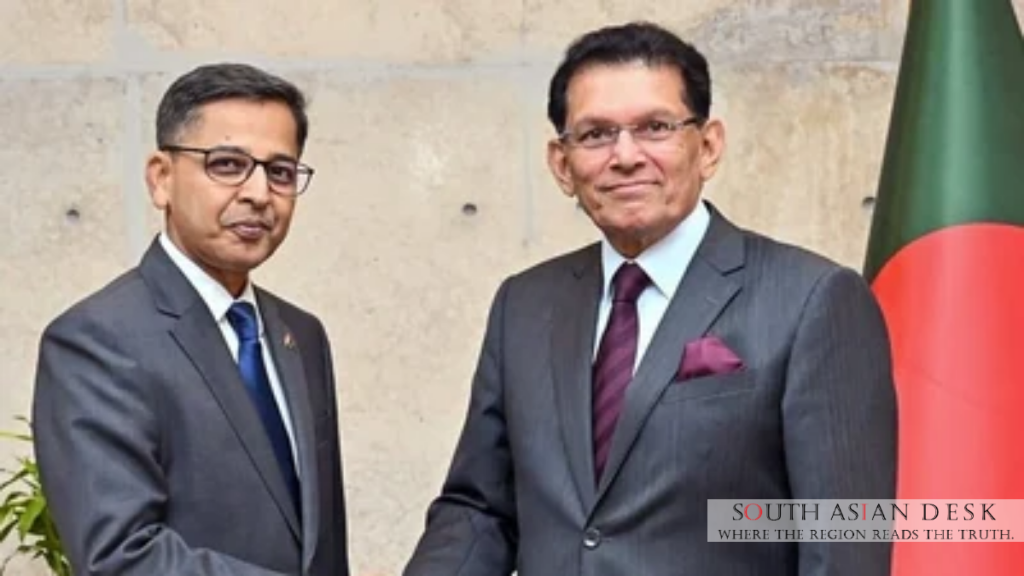
Rahman also met Assistant US Trade Representative Brendan Lynch separately, accompanied by Bangladesh Ambassador to the US Tareq Md Ariful Islam. The talks extended to labour reforms in Bangladesh, with Rahman assuring progress in areas like worker rights and safety standards, key to sustaining trade preferences.
US Reciprocal Tariff Bangladesh: Economic Context
The US reciprocal tariff Bangladesh faces stems from longstanding trade disparities. Bangladesh, a major exporter of ready-made garments, benefits from duty-free access under certain US programmes, but the tariff targets specific sectors to encourage balanced exchanges. In 2025, Bangladesh ramped up imports of US wheat, cotton, and liquefied natural gas, with plans to purchase Boeing aircraft, aiming to close the $6.16 billion trade deficit.
Experts note that the Bangladesh US visa bond could exacerbate challenges for small and medium enterprises, which rely on frequent US visits for sourcing and negotiations. South Asian economies, including neighbours like India and Pakistan, watch closely, as similar policies might influence regional mobility and investment flows.
Hossain, in his briefing, reiterated that the visa bond decision was “painful but expected,” given global trends in immigration controls. He confirmed Bangladesh’s intent to lobby for removal from the list, citing the nation’s compliance with US visa regulations historically.
Background
US-Bangladesh relations have evolved since diplomatic ties were established in 1972. Trade has grown exponentially, with Bangladesh emerging as the US’s 49th largest goods trading partner. The 2024 trade figures reflect a 15 percent year-on-year increase in US exports to Bangladesh, driven by agricultural and energy products.
The visa bond programme builds on earlier US efforts to manage visa overstays, initially targeting high-risk countries. Diplomatic engagements, like Rahman’s five-day visit starting Wednesday, aim to address such frictions while advancing mutual interests in security, climate, and economic development.
South Asia’s broader context includes US strategies to counter regional influences, with Bangladesh playing a pivotal role in the Indo-Pacific framework. The DFC, mentioned in talks, has invested over $1 billion in South Asian projects since 2019, focusing on infrastructure and renewable energy.
What’s Next
Rahman is scheduled to meet US Under Secretary of State for Political Affairs Allison Hooker and Assistant Secretary of State for South and Central Asian Affairs Paul Kapoor in coming days. These discussions could yield announcements on the Bangladesh US visa bond and trade concessions.
Bangladesh plans further diplomatic outreach, including potential talks at the ambassadorial level, to secure exemptions or mitigations for the US visa bond for Bangladeshis. Outcomes may influence future trade negotiations, with both sides eyeing a formal reciprocal agreement by mid-2026.
As Bangladesh urges US ease business travel, the resolution of the Bangladesh US visa bond issue will test the resilience of bilateral partnerships, potentially setting precedents for other South Asian nations facing similar policies.
Published in SouthAsianDesk, January 9th, 2026
Follow SouthAsianDesk on X, Instagram and Facebook for insights on business and current affairs from across South Asia.