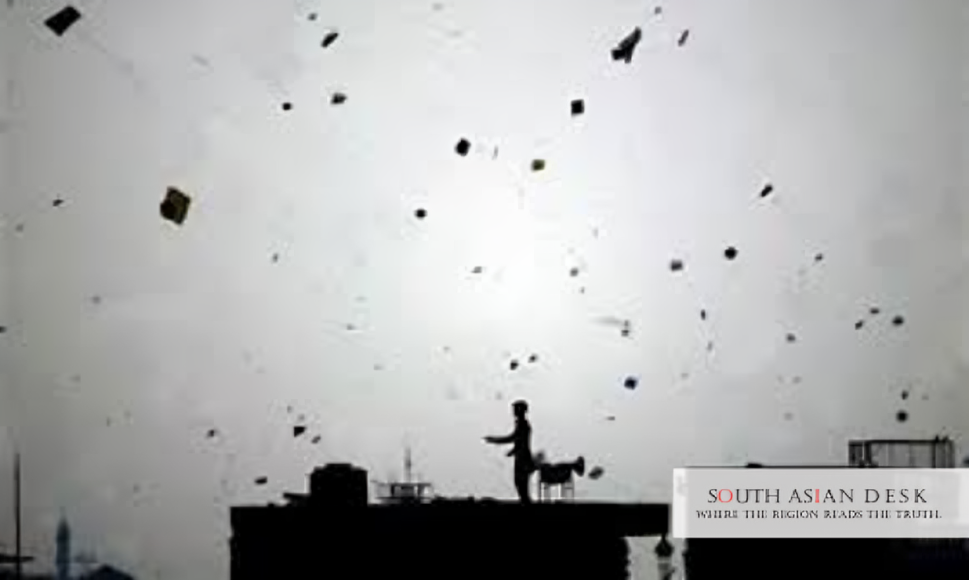
Lahore reports 118 Basant accidents in the festival’s first two days, including six casualties from falls and climbs, and 112 kite string injuries. Officials urge safety as the three-day event continues amid strict protocols.
Lahore authorities have recorded 118 Basant accidents Lahore so far during the 2026 festival, prompting urgent calls for public caution. The incidents highlight ongoing risks in the revived kite-flying tradition.
Kite String Injuries Lahore Dominate Reports
Rescue teams documented 112 cases of kite string injuries Lahore, often affecting motorcyclists and pedestrians. These injuries stem from stray twines during kite battles. Punjab Home Secretary Dr Ahmad Javed Qazi stated that the government implemented safety measures, including mandatory safety rods on motorcycles.
Six Basant festival casualties occurred, with four victims falling from rooftops while catching kites. One young boy died climbing an electric pole, and another perished ascending a tree. All incidents happened in various Lahore neighbourhoods during the festival’s opening phase on 6 and 7 February 2026.
Inspector General of Punjab Police Rao Abdul Kareem directed forces to enforce standard operating procedures strictly. He emphasised zero tolerance for violations like aerial firing or use of prohibited strings. District administration set up quick response teams in every tehsil for emergency handling.
Lahore Kite Flying Accidents Prompt Govt Action
Lahore kite flying accidents have led to enhanced monitoring. The Punjab government banned metallic wires and nylon strings to reduce hazards. Each approved kite and string carries a QR code for traceability. Over 4,600 producers registered to supply compliant materials.
Deputy Commissioner Lahore announced free distribution of safety rods at 100 camps citywide. Rooftops hosting 30 or more people require registration, and dozens were deemed unsafe after inspections. A ban on kite flying near Allama Iqbal International Airport covers areas like DHA Blocks P, Q, R, and S to protect aviation.
Punjab Chief Minister Maryam Nawaz Sharif urged residents to avoid electrical wires and secure rooftops. She cancelled government-sponsored Basant events, including a mega show at Liberty Square, following a recent incident in Islamabad. Private celebrations continue under the Kite Flying Act 2025.
Background
Basant, marking spring’s arrival, was banned in Punjab from 2005 after numerous deaths from sharp strings and gunfire. The Supreme Court imposed the restriction following 19 fatalities in one year. Successive governments struggled with enforcement, leading to sporadic violations.
The 2026 revival limits the festival to three days in Lahore only. Authorities aimed to balance cultural heritage with safety, drawing from past lessons. Revival followed public demand, but early Basant accidents Lahore underscore persistent challenges. The event draws thousands to rooftops, blending joy with risks like electrocution and falls.
Previous attempts, like a 2018 partial lift, ended quickly due to casualties. This year’s protocols include coordination among police, Rescue 1122, health departments, and traffic wardens. Punjab Information Minister Azma Bukhari flew the first kite at midnight on 6 February 2026, signalling the start.
What’s Next
Officials expect more reports as the festival concludes on 8 February 2026. Enhanced patrols will target illegal strings and unregistered gatherings. Post-event reviews may shape future policies on Basant accidents Lahore. The government plans awareness campaigns for safer traditions.
Basant accidents Lahore remain a concern, but strict measures aim to prevent escalation.
Published in SouthAsianDesk, February 8th, 2026
Follow SouthAsianDesk on X, Instagram and Facebook for insights on business and current affairs from across South Asia.