Canada and India are putting the finishing touches on a landmark $2.8 billion uranium supply agreement that could reshape nuclear fuel flows in Asia and reinforce bilateral ties after years of cautious diplomacy. Sources familiar with the negotiations say the Canada India Uranium Deal is now in its final stages, with both sides targeting formal signatures before the end of 2025.
Deal Structure and Timeline
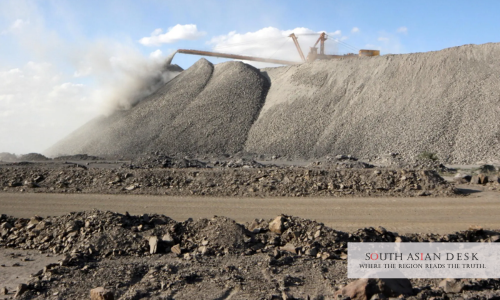
The multi-year contract would see Canadian producers deliver natural uranium concentrate to India’s civilian nuclear power program starting in early 2026. The total value of the Canada India Uranium Deal is estimated at $2.8 billion over its initial term, though exact volumes and pricing remain confidential pending final approval.
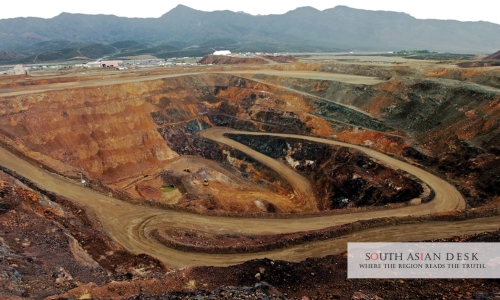
Saskatchewan-based Cameco Corp, the world’s second-largest uranium producer, is expected to be the primary supplier. Shipments would feed reactors operated by India’s Nuclear Power Corporation of India Limited (NPCIL), helping New Delhi expand installed nuclear capacity from roughly 8,000 MW today to a targeted 22,480 MW by 2032.
Senior Canadian officials describe the pact as the most significant development in Canada-India nuclear cooperation since the 2015 civil nuclear accord that ended a decades-long embargo on uranium sales. That embargo stemmed from India’s 1974 and 1998 nuclear tests conducted outside the Nuclear Non-Proliferation Treaty framework.
Key Provisions and Safeguards
- Deliveries scheduled to begin Q1 2026
- Full adherence to International Atomic Energy Agency (IAEA) safeguards and additional bilateral tracking protocols
- End-use verification mechanisms allowing Canadian inspectors access to declared facilities
- Pricing linked to prevailing global uranium spot and long-term indicators
- Annual review clauses addressing market conditions and geopolitical developments
Both countries have stressed that the fuel is strictly for power generation and will remain under IAEA monitoring.
Economic and Strategic Drivers
For Canada, the Canada India Uranium Deal opens a major new Asian market at a time when European contracts are being renegotiated amid shifting global supply chains. Industry analysts estimate the agreement could support hundreds of high-wage jobs in northern Saskatchewan mining communities and generate substantial royalty and tax revenue for the province.
India, meanwhile, views diversified uranium procurement as critical to reducing dependence on traditional suppliers. Nuclear power currently accounts for just under 3 per cent of the country’s electricity mix, but the government has ambitious plans to raise that share to 9 per cent by 2047 as part of its net-zero emissions pathway by 2070.
“This is about energy security and clean baseload power,” a senior Indian official told journalists on background. “Canada offers a reliable, democratic partner with some of the highest environmental and governance standards in uranium production.”
Overcoming Past Tensions
Nuclear commerce between the two nations effectively froze after India’s 1974 test used plutonium derived in part from a Canadian-supplied research reactor. Trade resumed only after the 2008 India-U.S. civil nuclear agreement and subsequent Nuclear Suppliers Group waiver.
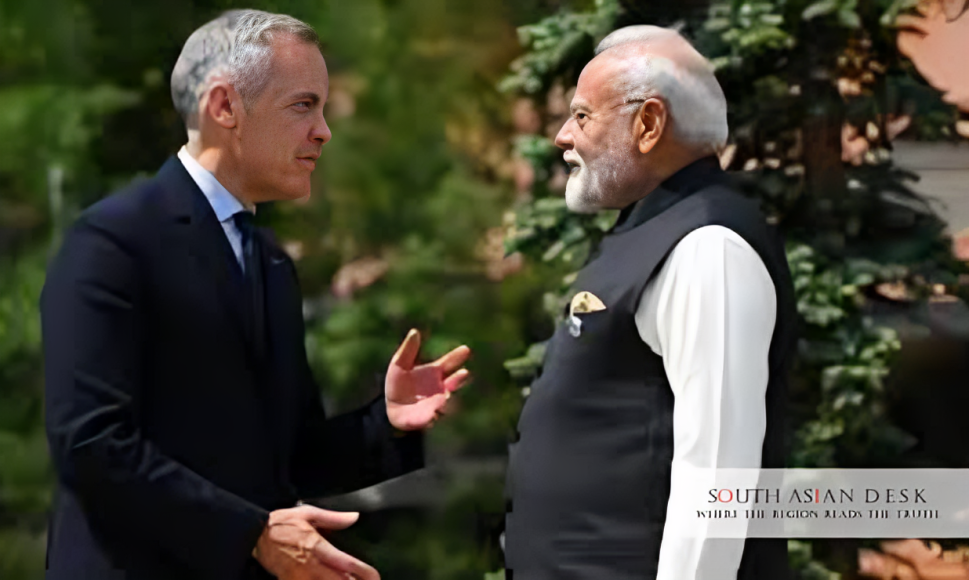
Diplomatic relations hit a low point in 2023–2024 over allegations linked to the killing of a Sikh separatist leader in British Columbia, prompting mutual expulsions of diplomats. Quiet behind-the-scenes engagement on energy and trade, however, continued throughout the crisis. Recent high-level visits — including meetings between trade ministers and energy secretaries — have restored momentum.
Remaining Hurdles
Several procedural steps remain before ink meets paper:
- Final parliamentary briefing in Ottawa under Canada’s nuclear export control regime
- Clearance from India’s Department of Atomic Energy and Cabinet Committee on Security
- Coordination with the IAEA to update India-specific safeguards agreements
Environmental groups have called for stricter independent monitoring of mining impacts in Saskatchewan, though Cameco points to its existing licences and third-party audits as evidence of responsible operations.
Broader Regional Implications
The Canada India Uranium Deal arrives as South Asia accelerates its nuclear expansion. While Pakistan maintains a separate weapons-oriented program, India’s civilian fleet operates under international safeguards — a distinction repeatedly emphasised by both Ottawa and New Delhi.
Analysts say the agreement could encourage similar long-term contracts with other established producers (Australia, Kazakhstan) and signal to global markets that India is a stable, bankable destination for nuclear fuel investment.
What Happens Next
Officials in both capitals are preparing for parallel signing ceremonies, potentially in late December 2025 or early January 2026. Once implemented, the contract is expected to run for at least ten years with options for extension.
Beyond uranium, the two governments are exploring collaboration in small modular reactor technology, critical minerals processing, and grid-scale battery storage — areas identified as priority sectors during last year’s ministerial dialogues.
As one Canadian negotiator put it: “This isn’t just about yellowcake. It’s the cornerstone of a broader strategic energy partnership for the next three decades.”
The successful conclusion of the Canada India Uranium Deal would mark a decisive chapter in one of the world’s more complex nuclear relationships — turning a historical liability into a forward-looking asset for both countries.
Published in SouthAsianDesk, November 25th, 2025
Follow SouthAsianDesk on X, Instagram, and Facebook for insights on business and current affairs from across South Asia.