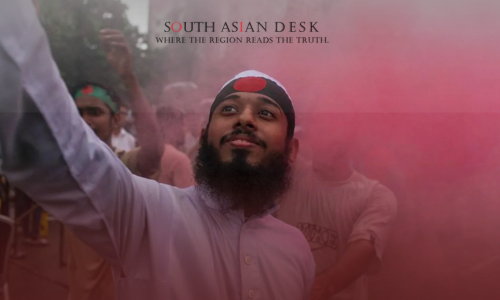
One year on in post-Hasina Bangladesh, thousands flooded the streets of Dhaka with national flags waving amid heavy rains, marking the anniversary of Sheikh Hasina’s dramatic ouster and igniting a mix of joy and anxiety for families who remember the bloodshed and now face an uncertain future.
Post-Hasina Bangladesh: People’s Relief
The gatherings featured concerts, rallies, and prayer sessions, where people hailed the event as a second liberation for the nation of 170 million, evoking tears of relief from those who endured years of alleged suppression under the former prime minister’s rule. Hasina, now in exile in India, fled after widespread protests against her government, which faced accusations of unlawful killings and stifling dissent, leaving behind a void that has both inspired hope and sown seeds of discord.
Yunus as An Interim Leader
Muhammad Yunus, the Nobel Peace Prize winner heading the interim administration, stood alongside political figures to outline visions for renewal, promising a peaceful handover of power following inclusive polls set for February next year. Yet, the ban on Hasina’s Awami League party has sparked concerns among supporters, many of whom feel excluded and fear the vote may lack true representation, stirring unease in households divided by political loyalties.
Islamist Groups Resurfacing
Amid the festivities, darker undercurrents emerge, with reports of rising mob violence, extra-judicial incidents, and strains on law and order that have left communities on edge. Islamist groups have gained prominence, campaigning openly and pushing for stricter religious laws, which threaten minorities including Hindus and Christians, who report increased attacks and demands that echo historical grievances. Women, too, express fears over persistent inequalities, as hardliners protest reforms aimed at protecting rights and curbing abuses.
Foreign Remittances
Economically, the country has seen some steadiness, with foreign reserves holding at 30 billion dollars, stable food prices, and continued exports bolstered by remittances and loans. However, the toll of the uprising, which claimed over 1,400 lives, lingers in the hearts of bereaved families, while ongoing tensions between rival factions heighten worries about stability.
Student leaders, instrumental in the change, acknowledge the time needed for calm to return after such upheaval, yet critics point to a surge in extremism and anarchy that has made evenings unsafe and eroded trust in daily life. Calls for reconciliation and an end to authoritarian remnants resonate with ordinary citizens yearning for a unified path forward.
As rallies echo promises of a stronger democracy in post-Hasina Bangladesh, the human stories of loss and aspiration remind us of the fragile balance between triumph and trial in this transitional era.
This anniversary underscores the complex realities shaping post-Hasina Bangladesh, where elation meets the harsh tests of rebuilding a nation.
Published in SouthAsianDesk, August 10th, 2025
Follow SouthAsianDesk on X, Instagram, and Facebook for insights on business and current affairs from across South Asia.