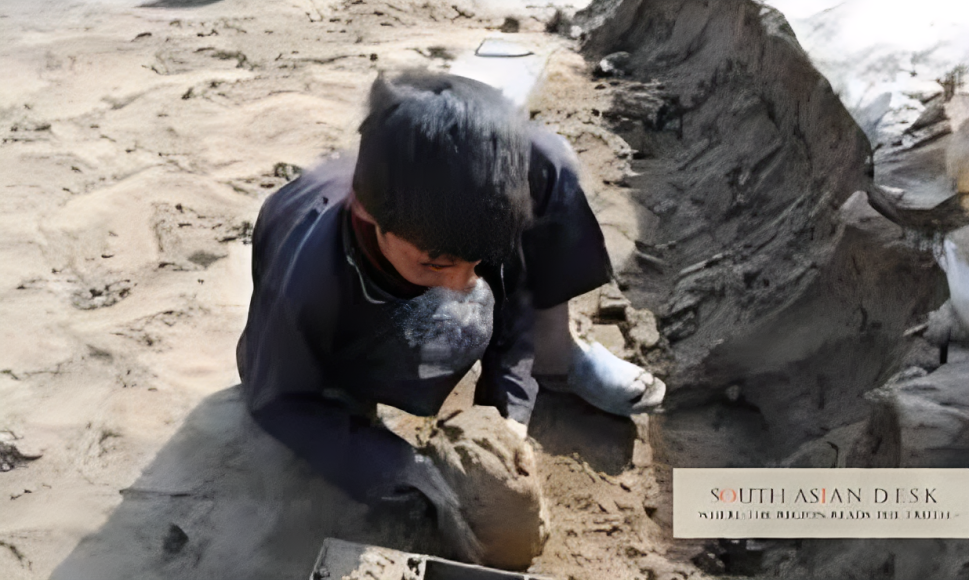
In Mazar-i-Sharif, Balkh province, children scour garbage for plastic bottles and cans to earn 200 to 500 Afghanis daily. This hazardous child labour in Afghanistan stems from widespread poverty and joblessness, with doctors warning of hepatitis and HIV risks. The trend highlights a deepening humanitarian issue as families struggle post-conflict.
The story underscores broader South Asian concerns, where instability in Afghanistan fuels migration and economic strain on neighbours like Pakistan and India, potentially exacerbating regional child labour and poverty cycles.
Hazardous Child Labour in Afghanistan
Children in Balkh unload vehicles or collect waste, handing two-thirds to companies while keeping one-third. Mohammad Gul, a resident, said he earns 250 to 500 Afghanis daily collecting bottles and cans. Mohammad Wali described the work as dirty and gruelling, done in heat and cold due to lack of proper jobs. Mohammad Safar starts at 6 AM and works until evening for 200 to 250 Afghanis.
Dr Mostafa Khushiwal noted risks of hepatitis A, hepatitis B and HIV from contaminated needles. Economic analyst Qutbuddin Yaqubi linked poverty in Balkh to four decades of war destroying infrastructure.
UNICEF reports more than one-third of boys and one-quarter of girls aged 5 to 17 engage in hazardous child labour in Afghanistan. This aligns with ILO data showing 3 million children aged 5 to 17 in child labour, many in worst forms like forced work in bricks or carpets.
In Balkh and Samangan, an ILO assessment found 15.3 percent of children aged 5 to 17 working, with over 70 percent exceeding 35 hours weekly. Hazardous conditions include heavy loads, extreme temperatures and night shifts.
US Department of Labor 2023 findings indicate 22 percent of children aged 5 to 14 work, rising to 39.2 percent in hazardous roles for 15 to 17-year-olds. Rural areas like Balkh see higher rates at 25.6 percent for young children.
Poverty in Balkh Fuels Crisis
Poverty in Balkh drives families to rely on child earnings. ILO notes 55 percent of Afghans below the poverty line, worsening post-2021 Taliban takeover. Unemployment surges as infrastructure lags, pushing children into informal sectors.
In Balkh rural districts, 48.7 percent of people aged 5 and above never attended school, per ILO. Short school days of three hours leave time for work, with girls facing added barriers like early marriage.
Afghanistan child unemployment compounds the issue, with over 400,000 youth entering the job market yearly without opportunities. Families cite debt and income needs as reasons for child labour.
Hazardous child labour in Afghanistan includes agriculture, construction and waste collection. In Balkh, children face verbal abuse, injuries and health hazards in these roles.
Afghanistan Child Unemployment Links
Afghanistan child unemployment ties directly to adult job scarcity. Post-war, commercial activities halted, leaving youth without alternatives. ILO’s Asia Regional Child Labour Programme, ending in 2023, aimed to reduce vulnerability through policy alignment and awareness.
The programme targeted provinces like Balkh, where a 2018 survey showed low awareness of child labour laws. It built capacity for enforcement and supported families via social protection.
Yet, progress stalls. US DOL reports no advancement in 2023, with Taliban lacking penalties for violations. Laws fail international standards, excluding informal work common in Balkh.
Background
Child labour in Afghanistan escalated after 2021, amid humanitarian crisis. Pre-Taliban, efforts like the National Child Labour Strategy aimed to end worst forms by 2025. War displaced families, increasing poverty in Balkh and reliance on child work.
ILO ratified conventions, but implementation gaps persist. In 2017, Ministry of Labour and Social Affairs listed 27 hazardous jobs, including garbage collection.
UNICEF engaged leaders to combat practices, responding to 5,000 violations in 2017. Recent data shows persistent risks, with 1 million children reportedly working due to falling incomes.
What’s Next
The Ministry of Labour and Social Affairs held a National Labour Conference in 2024, discussing regulation with partners and international groups. Spokesperson Samiullah Ebrahimi said they explored solutions through coordination.
ILO recommends awareness campaigns, vocational training for youth and livelihoods support. UNICEF pushes community efforts to protect children.
Ongoing programmes could reduce child labour in Afghanistan if funded, but economic recovery remains key amid regional tensions.
Child labour in Afghanistan demands urgent action to shield vulnerable youth from exploitation.
Published in SouthAsianDesk, December 22nd, 2025
Follow SouthAsianDesk on X, Instagram and Facebook for insights on business and current affairs from across South Asia.