In a significant move towards fostering peace and stability in a region long plagued by conflict and uncertainty, China has urged Pakistan and Afghanistan to deepen their trilateral ties, with a strong emphasis on China-Pakistan-Afghanistan security cooperation. This call comes at a time when cross-border threats continue to challenge the lives of millions, reminding us of the shared hopes for a safer future where families can thrive without the shadow of violence.
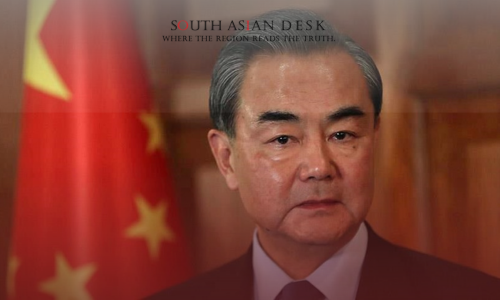
The initiative was highlighted during the sixth trilateral dialogue held in Kabul, where Chinese Foreign Minister Wang Yi met with his counterparts from Pakistan and Afghanistan. Wang stressed the importance of building strategic mutual trust among the three nations, proposing improvements to the existing dialogue mechanism to better address common challenges. He expressed China’s commitment to supporting the core interests of both Pakistan and Afghanistan, while firmly standing against any external forces that might undermine their sovereignty or stability. Such statements resonate deeply with communities across South Asia, where the quest for security often intersects with daily struggles for prosperity and peace.
Strengthening Cooperation Against Terrorism
One of the focal points of the discussions was the need to intensify efforts against transnational terrorist activities. Wang called for closer law enforcement collaboration to eradicate the roots of terrorism, particularly groups that pose threats to regional harmony. In this context, Afghanistan was encouraged to ramp up actions against outfits like the East Turkestan Islamic Movement, which has implications for China’s northwestern Xinjiang region bordering both countries. This push for unified action underscores a collective responsibility to protect vulnerable populations from extremist ideologies that have torn apart families and communities for decades.
Recent developments, such as the arrest of a commander allegedly linked to militant groups in Afghanistan’s Paktika province, align with the spirit of these talks. The apprehension of the individual and his aides, suspected of ties to cross-border insurgent networks, occurred amid the trilateral consultations, signalling a potential step forward in practical counterterrorism measures. For residents in border areas, where fear of attacks disrupts education, trade, and livelihoods, such actions offer a glimmer of hope that collaborative efforts might finally yield tangible results in curbing violence.
Expanding Economic and Connectivity Ties in the Security Framework
The dialogue extended to broader cooperation in development, trade, and investment. Wang advocated for expanding network connectivity among the three nations, including potential extensions of the China-Pakistan Economic Corridor to Afghanistan. This could open new avenues for economic growth, creating jobs and infrastructure that benefit ordinary citizens striving for better opportunities. Imagine farmers in rural Afghanistan accessing wider markets or Pakistani traders facilitating smoother cross-border exchanges; these prospects evoke a sense of optimism in a region eager to move beyond its turbulent past.
The emphasis on economic ties is intertwined with security objectives, as stable trade routes are seen as vital to reducing poverty, which often fuels instability. By promoting mutual investments and joint projects, the three countries aim to build resilience against economic shocks, ensuring that progress in one nation uplifts the others. This holistic approach reflects an understanding that true security encompasses not just military measures but also the well-being of people, allowing them to dream of brighter tomorrows for their children.
Impact on Regional Peace
The trilateral meeting also touched on political cooperation, with China reaffirming its friendly policy towards Afghanistan, respecting its independence and the choices made by its people. Wang assured continued support for Afghanistan’s economic revitalisation, positioning China as a reliable partner in the nation’s reconstruction efforts. For Afghans enduring years of hardship, this pledge carries emotional weight, symbolising international solidarity in their journey towards self-reliance and dignity.
Pakistan’s role in these discussions was equally pivotal, with the agenda covering enhanced border management and regional connectivity. As a neighbour to both China and Afghanistan, Pakistan stands to gain from strengthened alliances that could mitigate security risks along its frontiers. The talks highlighted a shared vision for a joint front against terrorism, where coordinated intelligence sharing and operations might prevent tragedies that have claimed countless innocent lives.
Looking ahead, the outcomes of this dialogue could pave the path for more frequent high-level engagements, fostering an environment of trust and collaboration. In a world where geopolitical tensions often exacerbate local conflicts, this initiative serves as a reminder of the power of diplomacy to heal divides. Communities across South Asia, from bustling cities in Pakistan to remote villages in Afghanistan, yearn for the stability that such cooperation promises, allowing them to focus on building lives filled with purpose and security.
The call for deeper exchanges also includes cultural and people-to-people interactions, which could bridge gaps and promote understanding among diverse populations. By encouraging exchanges at all levels, from government officials to civil society, the three nations hope to cultivate lasting bonds that transcend borders. This human element is crucial, as it connects the abstract notions of policy with the real emotions of individuals who desire peace in their homelands.
As these efforts unfold, the international community watches closely, recognising the strategic importance of South Asia’s stability. China’s proactive stance in facilitating these talks demonstrates a commitment to regional harmony, which could have ripple effects far beyond the immediate participants. For the people of Pakistan and Afghanistan, who have borne the brunt of instability, the prospect of enhanced cooperation brings a renewed sense of possibility, where security is not just a goal but a foundation for shared prosperity.
In the face of ongoing challenges, including militant activities and economic pressures, the trilateral framework offers a beacon of hope. It reminds us that through dialogue and mutual support, nations can confront threats that no single country can tackle alone. The emotional resonance of this development lies in its potential to transform lives, turning areas once marred by conflict into hubs of cooperation and growth.
Ultimately, the push for stronger ties exemplifies the enduring spirit of resilience in South Asia. As China, Pakistan, and Afghanistan work together, they not only address immediate security concerns but also lay the groundwork for a more interconnected and peaceful region. This commitment to China, Pakistan, and Afghanistan security cooperation stands as a testament to the power of unity in overcoming adversity.
Published in SouthAsianDesk, August 21st, 2025
Follow SouthAsianDesk on X, Instagram and Facebook for insights on business and current affairs from across South Asia.